
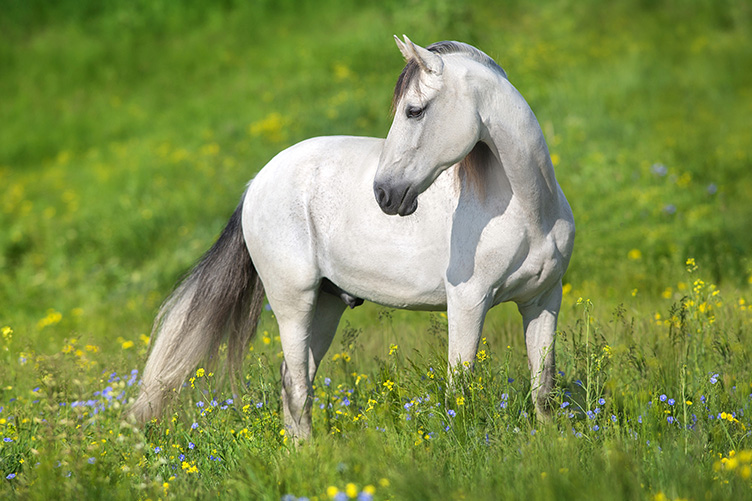
Spring is one of the most beautiful times of year at the barn; longer days, greener pastures, and that fresh-start feeling after winter. But for many horses, spring also brings something a lot less enjoyable: allergies. Just like people, horses can react to environmental changes, and those reactions can range from mildly annoying to seriously uncomfortable.
If your horse starts acting a little “off” this time of year, spring allergies might be the culprit. Here’s a closer look at what’s going on and how you can help your horse stay comfortable all season long.
What Causes Spring Allergies in Horses?
Spring allergies are usually triggered by environmental factors that suddenly increase as the weather warms up. The most common culprits include:
- Pollen from trees, grasses, and weeds
- Dust and mold spores stirred up by changing conditions
- Insect bites, especially from gnats and midges
- New pasture growth, which can affect sensitive horses
Every horse reacts differently. Some may only show mild symptoms, while others develop more noticeable issues that need management.
Common Signs of Allergies
Seasonal allergies in horses don’t always look the same, but there are a few telltale signs to watch for:
- Frequent itching or rubbing (mane, tail, face, or belly)
- Hives or bumps on the skin
- Watery eyes or nasal discharge
- Coughing or respiratory irritation
- Hair loss from excessive scratching
- Restlessness or irritability
If your horse suddenly starts rubbing their tail raw or seems uncomfortable for no obvious reason, it’s worth considering allergies as a possible cause.
Skin Allergies vs. Respiratory Allergies
Spring allergies typically fall into two main categories:
Skin Allergies (Most Common)
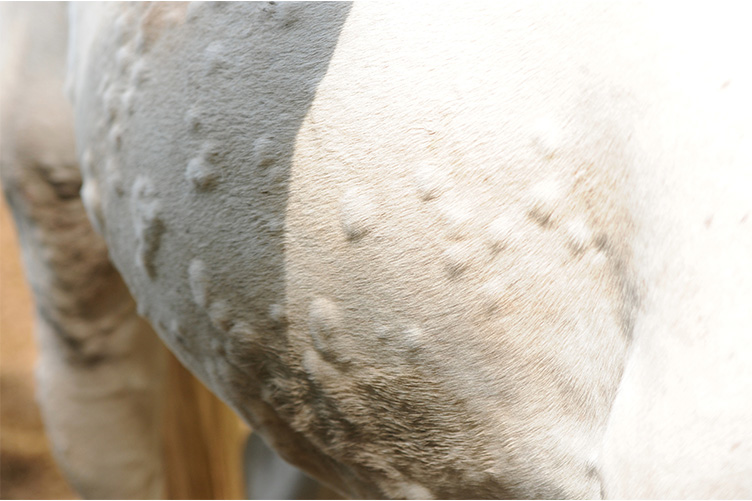
These are often caused by insect bites or environmental irritants. Horses may develop hives or intense itching, especially along the mane and tail. Conditions like sweet itch (caused by biting midges) fall into this category.
Respiratory Allergies
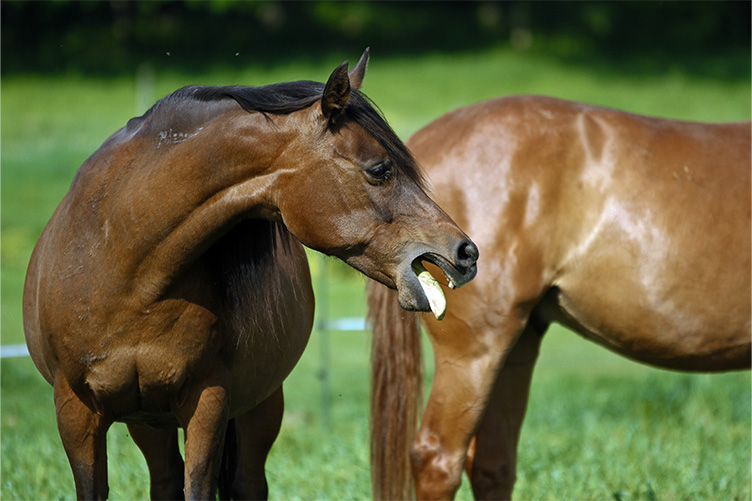
These are less visible but just as important. Horses may cough, have nasal discharge, or show reduced performance due to airway irritation, similar to seasonal allergies in people.
How to Help Your Horse Manage Allergies
The good news? There are plenty of ways to help your horse feel better during allergy season.
1. Reduce Exposure
- Turn horses out during times when pollen counts are lower (often early morning or late evening)
- Avoid dusty arenas or use dust-free footing when possible
- Keep stalls clean and well-ventilated
2. Use Protective Gear
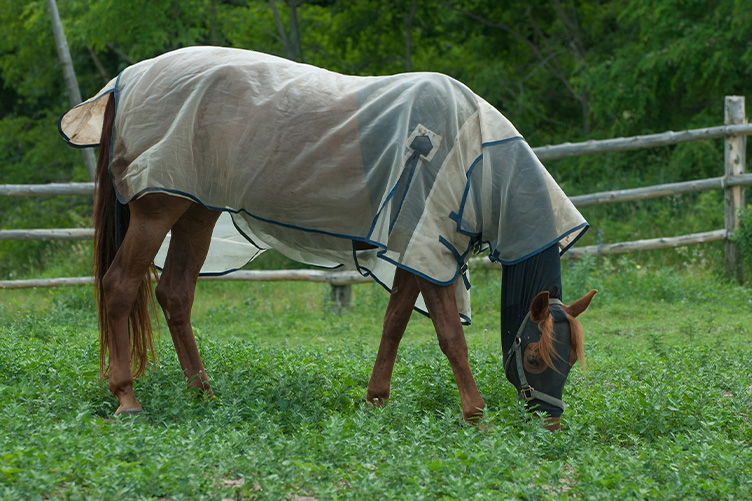
- Fly sheets and fly masks can help reduce insect bites
- Neck covers and belly bands are especially helpful for horses prone to sweet itch
3. Groom Regularly
- Frequent grooming removes pollen, dust, and irritants from the coat
- Bathing with soothing shampoos can relieve itching
4. Adjust Feeding and Environment
- Soaking hay can reduce dust and mold exposure
- Make gradual transitions to spring pasture to avoid overwhelming the system
5. Consider Supplements
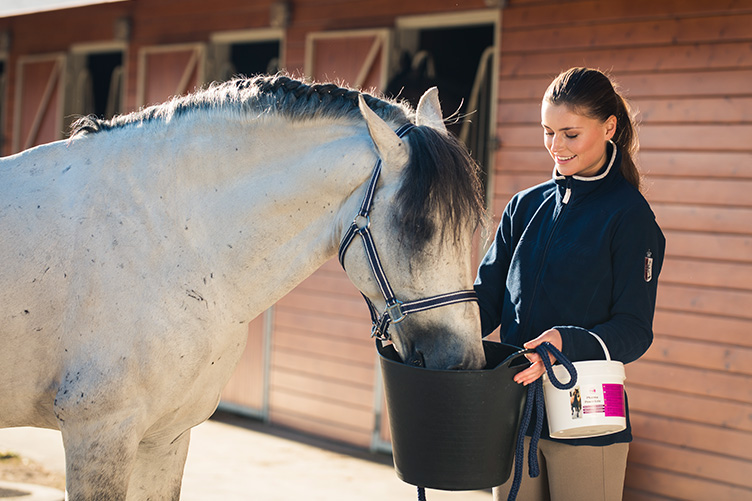
For horses that struggle with recurring seasonal allergies, supplements can be a really helpful piece of the puzzle. While they aren’t an instant fix, the right nutritional support can strengthen your horse’s system over time, making them less reactive to allergens and better able to handle environmental stressors.
Here’s a closer look at what to consider when choosing a supplement:
Omega-3 Fatty Acids
Omega-3s are one of the most commonly recommended supplements for horses with allergies—and for good reason. These healthy fats help reduce inflammation in the body, which can lessen itching, skin irritation, and even respiratory sensitivity.
You’ll often find omega-3s sourced from:
- Flaxseed (ground or stabilized)
- Chia seeds
- Fish oil (less common but highly concentrated)
For horses with dry, flaky skin or those prone to sweet itch, omega-3s can make a noticeable difference over time. They also support coat shine, so you get a bonus cosmetic benefit, too.
Biotin & Skin-Support Nutrients
While biotin is best known for hoof health, it also plays a role in maintaining strong, healthy skin. Many skin-focused supplements combine biotin with other supportive nutrients like zinc, copper, and methionine (an essential amino acid).
Together, these ingredients help strengthen the skin barrier, making it less susceptible to irritation from allergens like pollen or insect bites.
Antioxidants
Antioxidants help neutralize free radicals and support overall immune function. For horses with allergies, this can mean a more balanced immune response instead of an overreaction to harmless triggers like pollen.
A stronger immune system doesn’t just help with allergies, it supports your horse’s overall health and recovery as well.
Herbal Blends
Some supplements include herbal ingredients that are traditionally used to support respiratory health or reduce allergic reactions. These might include ingredients such as nettle, spirulina, and garlic.
These herbal supplements can be especially appealing if you’re looking for a more natural approach. However, it’s important to remember that “natural” doesn’t always mean risk-free—herbs can still interact with medications or affect certain horses differently.
Respiratory Support Formulas
If your horse tends to show more respiratory symptoms (like coughing or nasal discharge), there are supplements specifically designed to support lung function. These often combine antioxidants with herbs that help maintain clear airways and reduce irritation.
Consistency is Essential
One of the most important things to understand about supplements is that they take time. Unlike medications that act quickly, supplements work gradually by supporting the body’s natural systems.
Most require 2–4 weeks (or longer) to show noticeable results, and daily, consistent feeding is essential. Skipping doses can reduce effectiveness.
Starting supplements before allergy season peaks (rather than after symptoms appear) can make a big difference in how well they work.
When to Call the Vet
While mild allergies can often be managed at home, there are times when veterinary care is important. Reach out if your horse:
- Develops severe or persistent hives
- Has difficulty breathing
- Shows signs of infection from excessive scratching
- Experiences symptoms that don’t improve with basic management
Your vet may recommend antihistamines, corticosteroids, or allergy testing for more serious cases.
Prevention is Key
The best way to handle spring allergies is to stay ahead of them. If your horse has had issues in previous years, start preventative measures early, before symptoms even begin. Keeping a record of when symptoms appear each year can help you anticipate and manage them more effectively.
A Happier, Healthier Spring
Spring should be a time for enjoying your horse, not worrying about constant itching or discomfort. With a little awareness and proactive care, you can help your horse stay comfortable and make the most of the season.
If you’re not sure where to start, stop by The Cheshire Horse! We’re always happy to help you find the right products and solutions to keep your horse feeling their best this spring.

Jennifer Keating is an equestrian and the e-commerce copywriter for The Cheshire Horse. She’s been competing on the hunter/jumper and Arabian circuits for years and has earned nearly 20 national championship titles along the way. She’s still actively showing while also writing about the products and gear she knows from real experience in the barn and the ring.