
Endangered Cow Breeds: Why They Matter More Than Ever

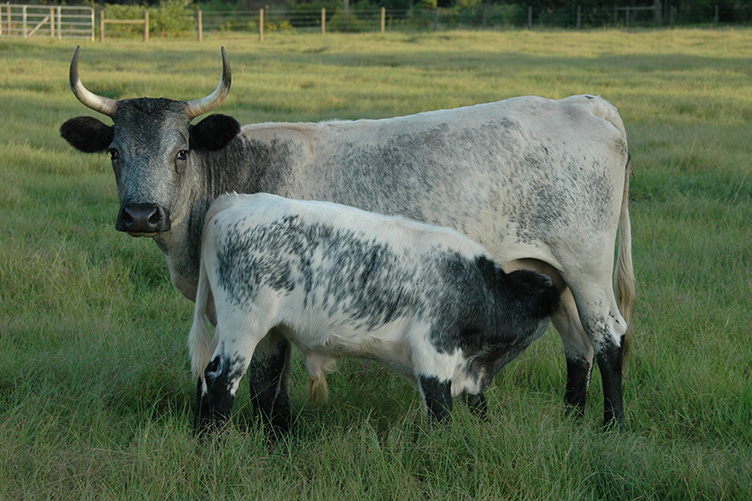
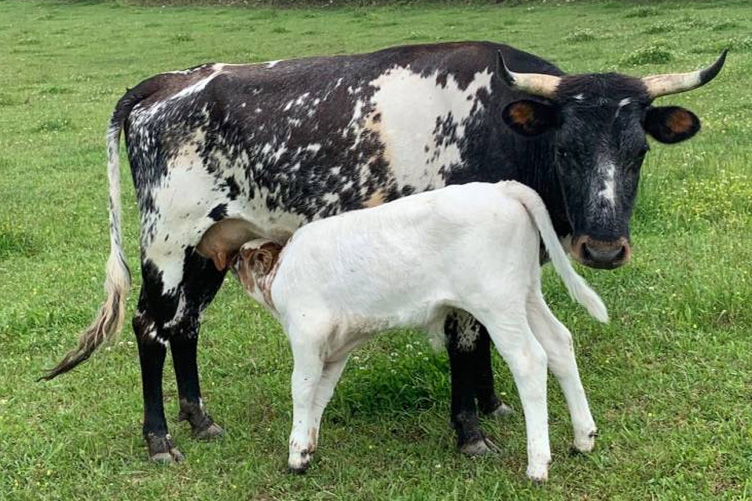
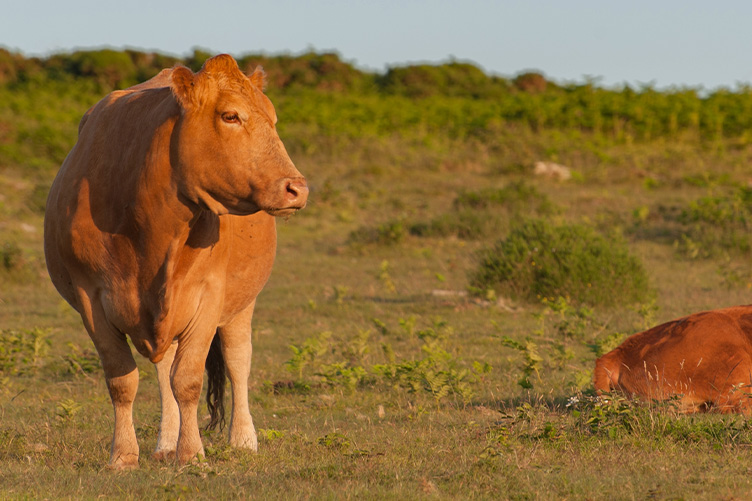
cow with horns

When people think of cattle, they usually picture familiar breeds like Angus or Holsteins. But beyond those common names, there’s a whole world of heritage and endangered cattle breeds that are quietly disappearing.

According to the The Livestock Conservancy, many traditional cattle breeds are now classified as Critical, Threatened, Watch, or Recovering based on population size and genetic risk.

What “Endangered” Means in Cattle

The Livestock Conservancy tracks livestock populations using a ranking system:

  • Critical: Fewer than 500 animals globally
  • Threatened: Fewer than 5,000 animals
  • Watch: Limited populations or genetic concerns
  • Recovering: Improving, but still monitored

This system helps farmers, breeders, and conservationists understand which breeds are most at risk and where efforts are needed most.

Critically Endangered Cow Breeds

These breeds face the highest level of concern according to the Conservation Priority List.

Milking Devon

milking devon cow

One of America’s oldest dual-purpose cattle breeds, Milking Devons were historically used for milk, meat, and draft work. They are known for efficiency, hardiness, and calm temperaments.

Randall Lineback

randall lineback cow

Randall cattle are instantly recognizable for their distinctive lineback markings. Descended from old New England farm cattle, they are valued for fertility, longevity, and grazing ability.

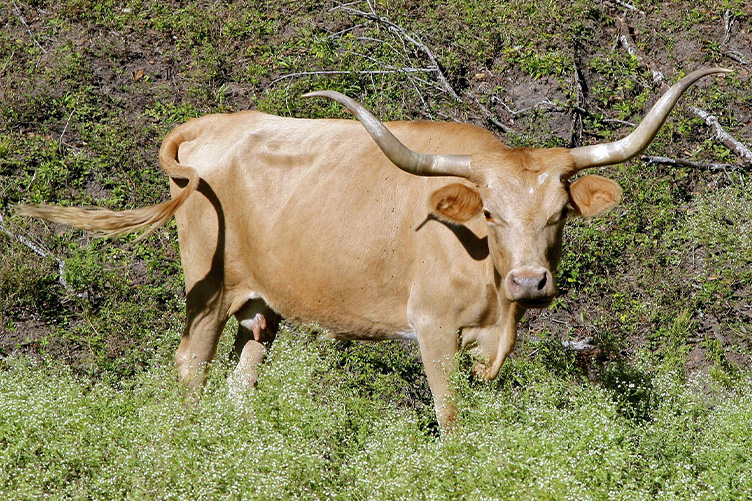
Texas Longhorn

texas longhorn cow

Known for their iconic horns and incredible adaptability, traditional Texas Longhorn genetics are considered critical despite the breed’s recognizable image in Western culture.

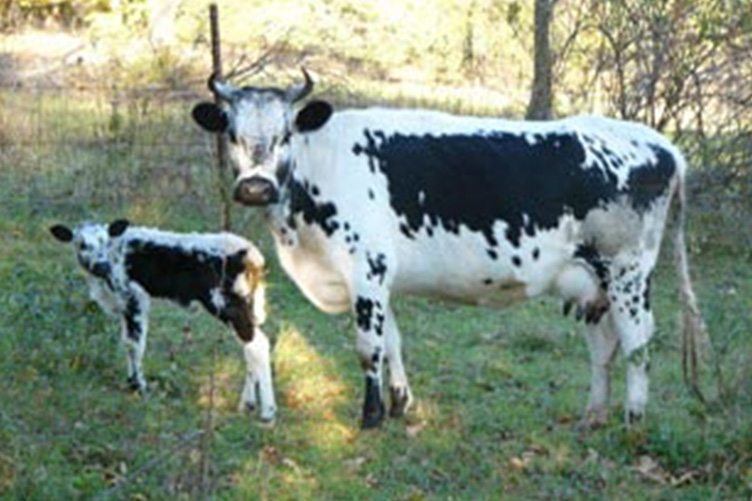
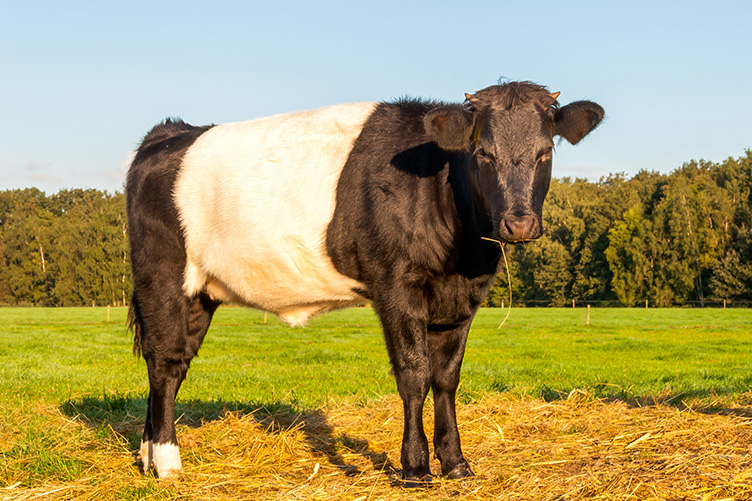
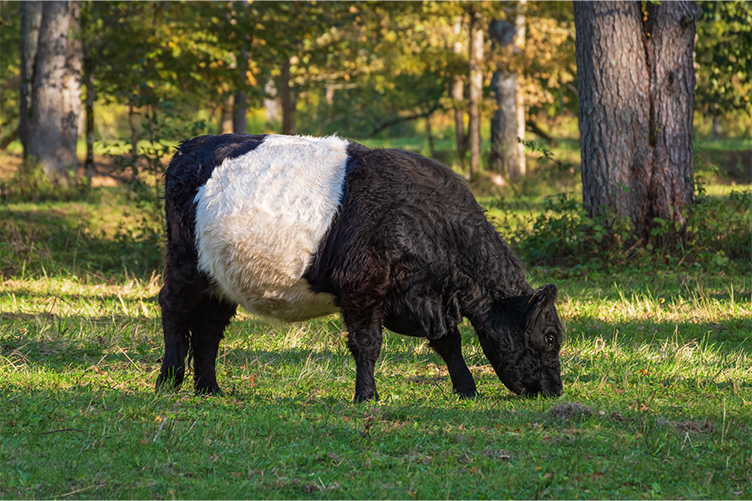
Dutch Belted

dutch belted cow

Sometimes called “Oreo cows” because of their striking black-and-white belt pattern, Dutch Belted cattle were once prized dairy animals on small farms.

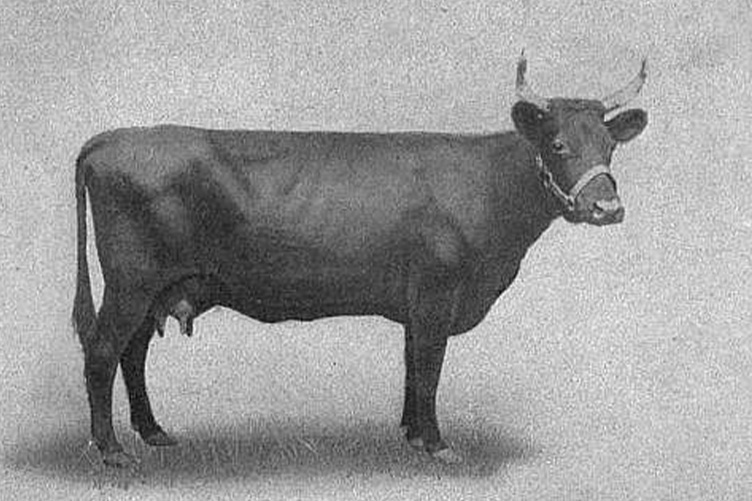
Kerry

kerry cow

Originating from Ireland, Kerry cattle are one of Europe’s oldest dairy breeds. They are smaller-framed cattle known for rich milk production and efficient grazing.

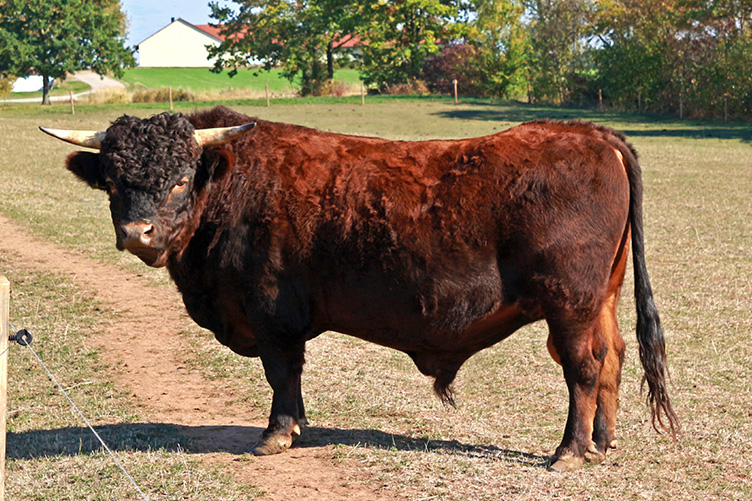
Lincoln Red

lincoln red cow

This deep red British breed is valued for beef quality and maternal ability, but pure populations remain limited.

Threatened Cow Breeds

Threatened breeds still face significant population concerns, though they have somewhat larger numbers than critical breeds.

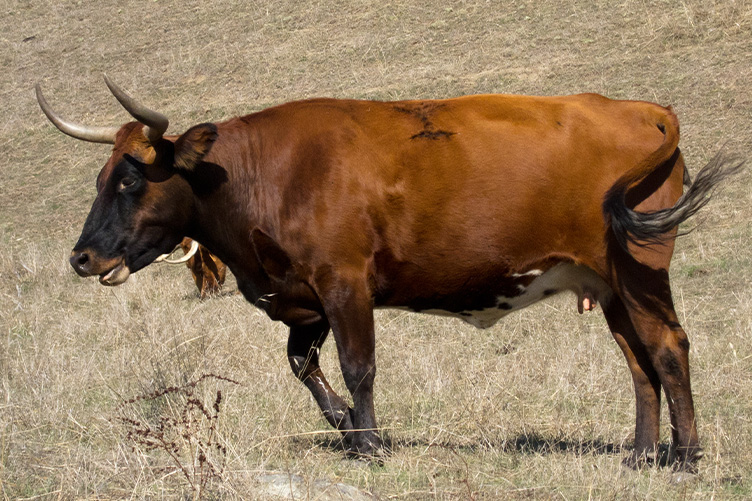
Corriente

corriente cow

Corriente cattle are hardy, agile animals often associated with ranch work and rodeo events. They require less feed than many modern beef breeds and adapt well to rough environments.

Florida Cracker

florida cracker cow

Florida Cracker cattle descend from Spanish cattle brought to the Americas centuries ago. They are heat-tolerant and highly adapted to southern climates.

Pineywoods

pineywoods cow

Pineywoods cattle developed in the southeastern United States and are known for surviving in difficult terrain and poor forage conditions.

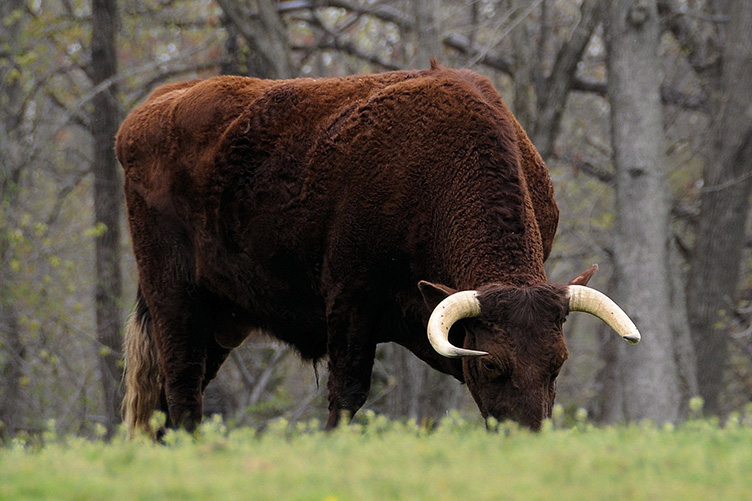
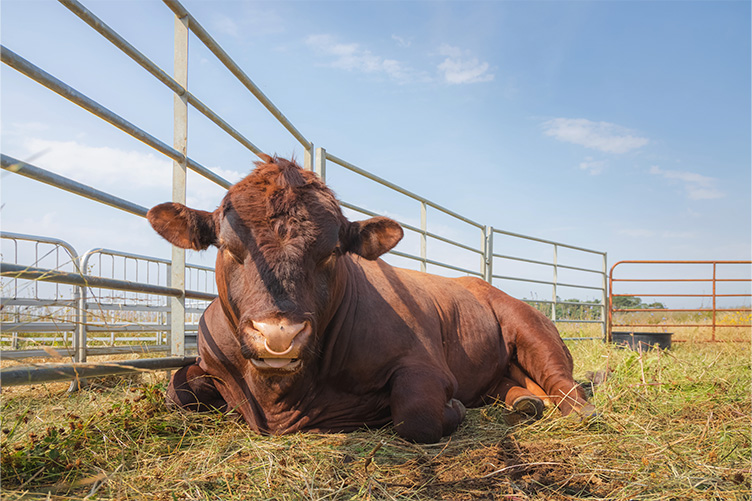
Red Poll

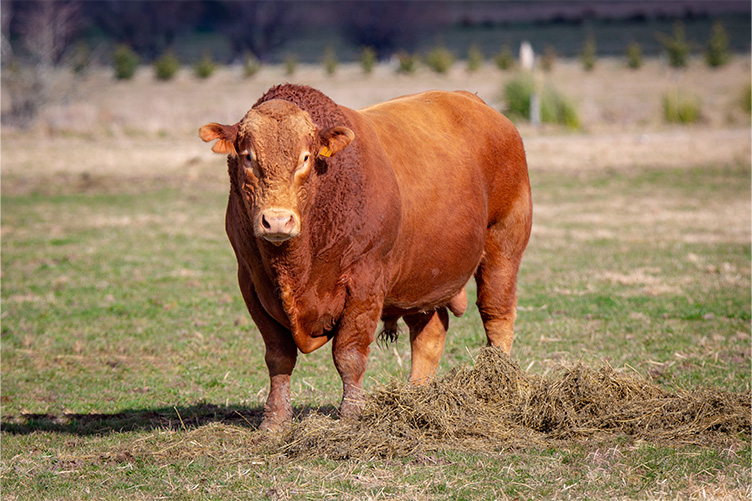
red poll cow

Originally developed as a dual-purpose breed for milk and beef, Red Poll cattle are calm, productive, and naturally polled (hornless).

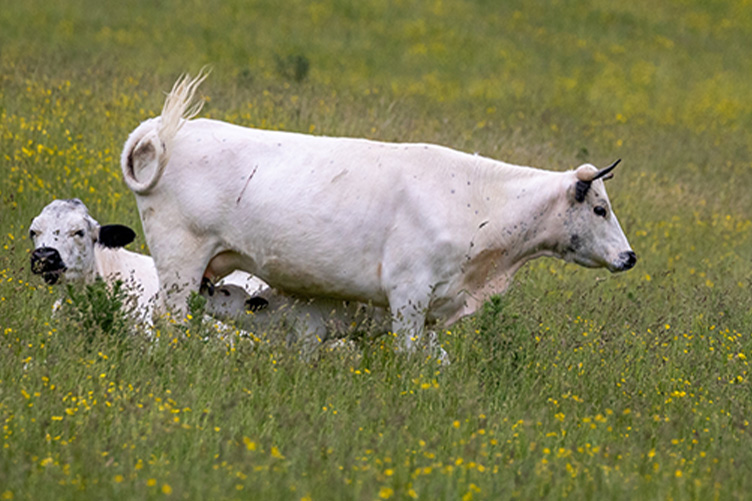
Ancient White Park

ancient white park cow

These striking white cattle with black points are considered one of the oldest cattle breeds in Britain. Their numbers remain limited, and conservation groups continue monitoring their survival closely.

Cow Breeds to Watch

Watch-status breeds have improved populations but still require monitoring due to limited numbers or genetic concerns.

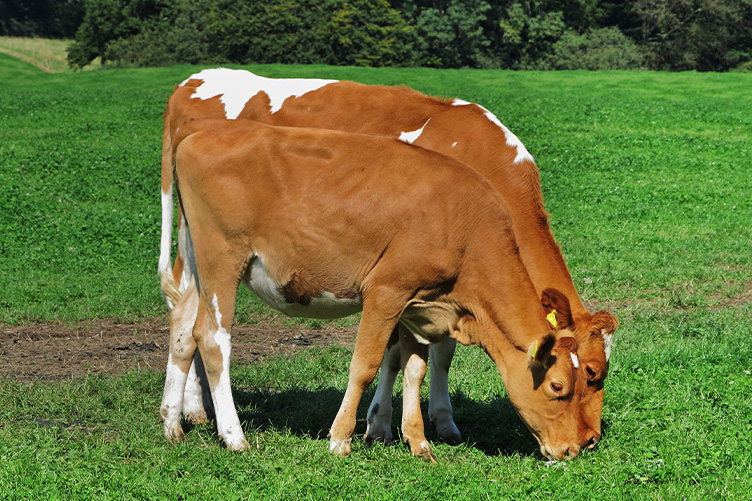
Guernsey

guernsey cow

Known for rich golden milk with high butterfat content, Guernseys remain a beloved dairy breed with devoted breeders around the world.

Belted Galloway

belted galloway cow

Often nicknamed “Belties,” these fluffy black cattle with a white belt are hardy grazers that thrive in rough climates.

Recovering Cow Breeds

Recovering breeds have seen encouraging population growth but still remain under conservation watch.

Dexter

dexter cow

Dexters are small, versatile cattle popular with homesteaders and small farms because of their manageable size and dual-purpose abilities.

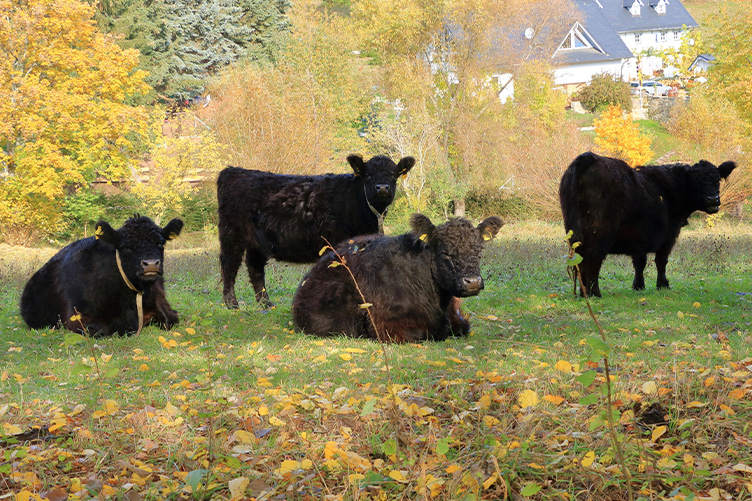
Galloway

galloway cow

Known for their shaggy coats and ability to handle harsh weather, Galloways are efficient grazers and low-maintenance beef cattle.

Red Devon

red devon cow

Red Devons have gained popularity again due to their strong maternal traits, grass-fed beef quality, and adaptability.

Ankole-Watusi

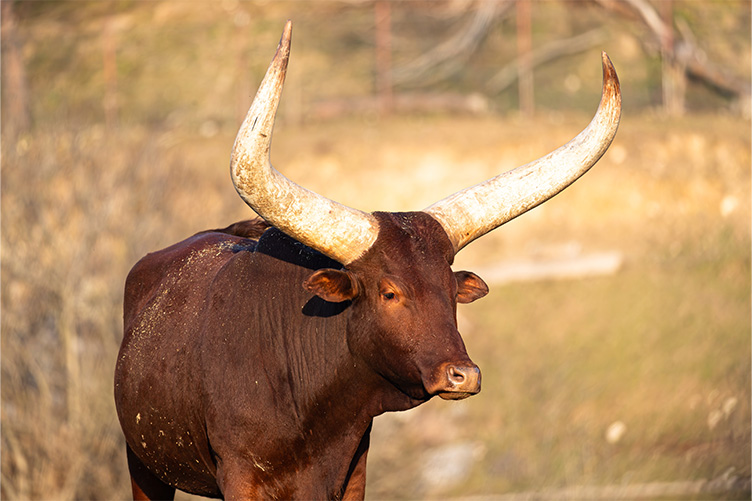
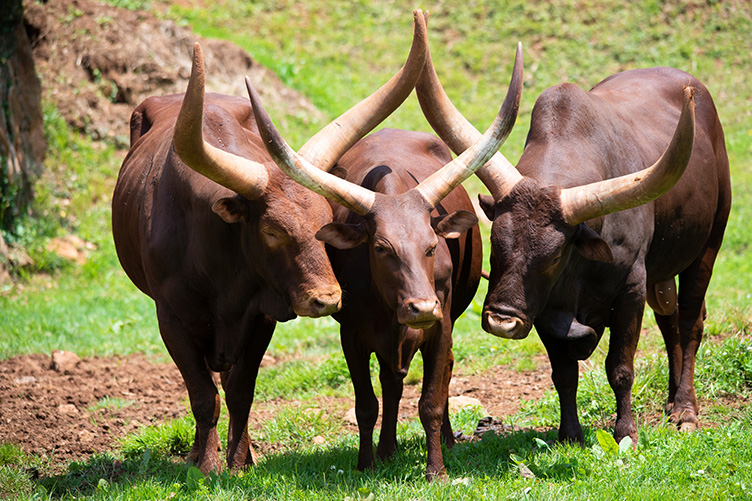
ankole watusi cows

Famous for their enormous horns, Ankole-Watusi cattle trace back to African cattle breeds and remain an important cultural and agricultural symbol.

What Caused These Breeds to Decline?

Several major shifts in agriculture contributed to the decline of heritage cattle breeds:

  • Industrial farming favoring a few highly productive breeds
  • Crossbreeding that diluted original genetics
  • Declining numbers of small family farms
  • Reduced demand for dual-purpose cattle
  • Economic pressure toward large-scale commercial production

Modern agriculture often prioritizes maximum efficiency, which leaves less room for slower-growing or specialized heritage breeds.

Conservation Efforts Are Making a Difference

The good news is that many endangered cattle breeds are slowly recovering thanks to dedicated conservation efforts.

Organizations like The Livestock Conservancy work with breeders, farmers, and breed associations to maintain breed registries, promote public awareness, and support breeding programs. This helps to preserve genetic diversity while encouraging sustainable farming practices.

Their efforts have already helped several livestock breeds improve their conservation status over the years. As modern agriculture continues evolving, preserving these heritage breeds becomes increasingly important. Once a breed disappears, its genetics and history are gone forever.

At The Cheshire Horse, we know livestock care is about more than feeding animals; it’s about preserving the traditions, knowledge, and breeds that have shaped agriculture for generations. Whether you raise commercial cattle, heritage breeds, or just enjoy learning about the farming world around you, every effort to support sustainable agriculture helps protect the future of these incredible animals.

From feed and fencing supplies to everyday barn essentials, we’re proud to support farmers and livestock owners who continue to care for both modern and heritage breeds alike.

Leave a Comment