
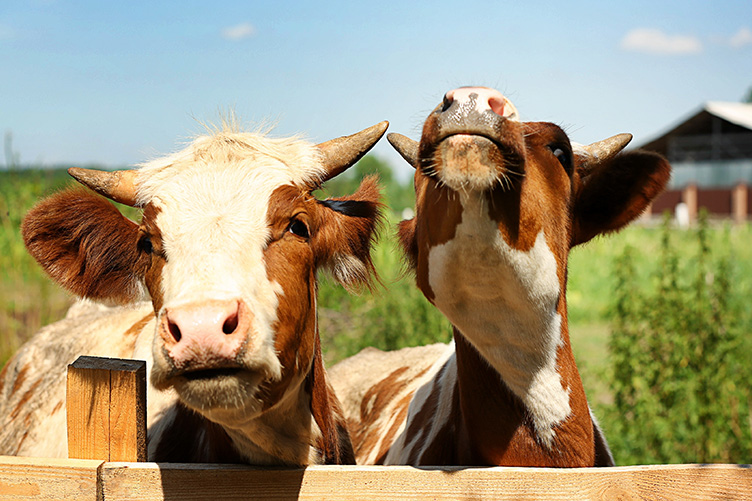
Healthy cows are the foundation of every successful farm, homestead, and cattle operation. Whether you raise beef cattle, dairy cows, family milk cows, or a small backyard herd, good health starts with consistent daily care, proper nutrition, and proactive management.
Cattle are hardy animals, but they still rely on their owners to provide the right environment, balanced diets, preventative healthcare, and safe handling practices. Even small changes in routine or nutrition can impact a cow’s overall health and productivity.
At The Cheshire Horse, we know that caring for livestock means paying attention to the details every single day. Here’s a complete guide to helping your cows stay healthy, comfortable, and thriving year-round.
Proper Nutrition Comes First
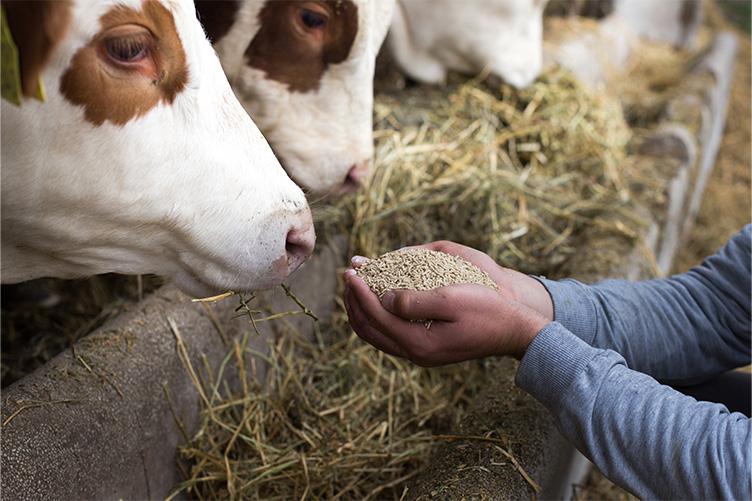
Nutrition is one of the biggest factors in overall cattle health. A balanced diet supports growth, immune function, reproduction, hoof strength, milk production, and healthy weight maintenance.
Good-quality hay and pasture should form the foundation of most cattle diets. Healthy forage provides fiber for proper rumen function while supporting energy and digestion. Hay should always be checked for mold, dust, or excessive moisture, as poor-quality forage can quickly lead to health problems.
Some cattle may require additional grain or supplemental feed depending on their age, workload, breeding status, or production goals. Dairy cows, growing calves, breeding animals, and show cattle often need extra nutritional support. Feed changes should always happen gradually to avoid digestive upset, such as bloat or acidosis.
Minerals are equally important. Cattle require balanced levels of calcium, phosphorus, selenium, magnesium, copper, and salt to support healthy growth and immune function. Free-choice mineral supplements are one of the easiest ways to help prevent deficiencies.
Clean Water Is Essential
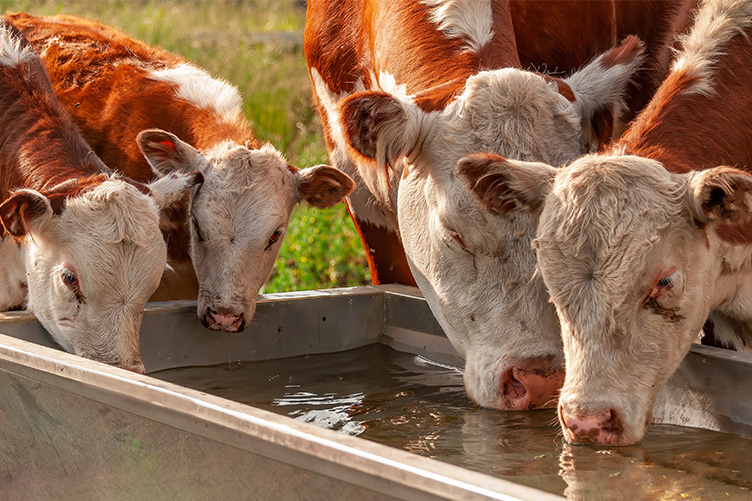
Water is the most important nutrient cattle consume. Fresh, clean water supports digestion, temperature regulation, nutrient absorption, and milk production.
Cows drink far more water than many people realize, especially during hot weather or lactation. Dirty or frozen water sources can quickly reduce intake and negatively affect health. Water tanks, buckets, and automatic waterers should be checked daily to ensure they remain clean and functional year-round.
Provide Safe, Comfortable Housing
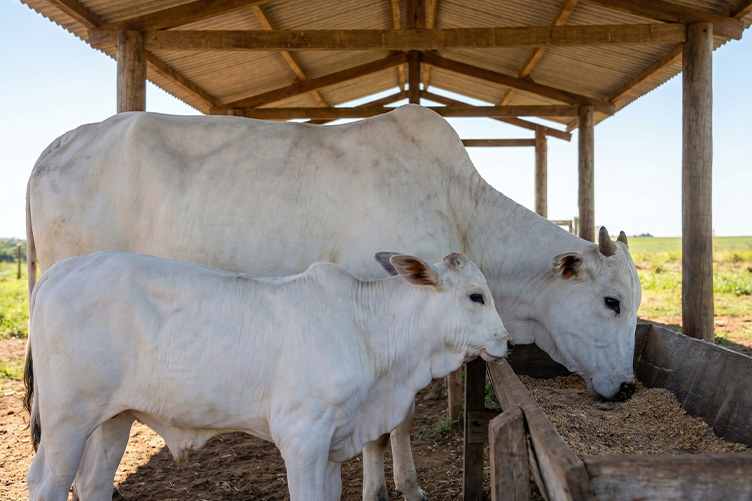
A healthy environment plays a major role in disease prevention. Cattle need shelter from harsh weather, dry footing, and proper ventilation to stay comfortable and healthy.
Wet, muddy conditions increase the risk of hoof issues, respiratory illness, and bacterial infections. Bedding should remain as dry and clean as possible, especially for calves and dairy cattle.
During the summer, cattle benefit from shade and airflow to reduce heat stress. In winter, windbreaks and dry shelter help protect against freezing temperatures and harsh weather conditions.
Preventative Veterinary Care Matters
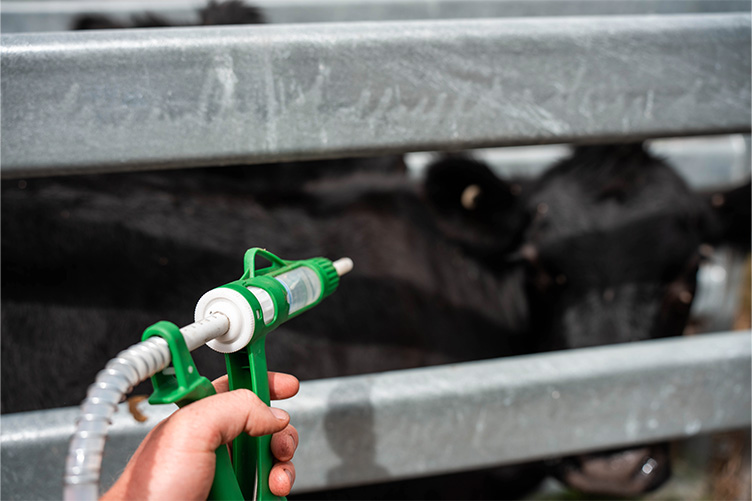
Routine veterinary care is one of the best investments cattle owners can make. Vaccination programs, parasite control, reproductive monitoring, and routine health checks all help prevent larger problems later on.
Working with a veterinarian familiar with cattle management can help you develop a herd health plan based on your region, herd size, and specific goals.
Preventative care is often far less expensive and stressful than treating major illness after it develops.
Daily Observation Makes a Difference
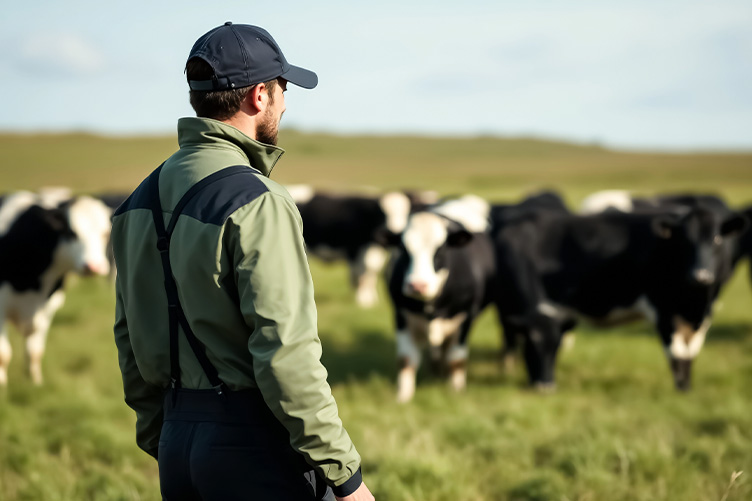
One of the simplest but most effective ways to keep cows healthy is to spend time observing them every day.
Healthy cattle are generally alert, eating normally, moving comfortably, and interacting with the herd. Changes in behavior are often the first sign that something may be wrong.
Watch for symptoms such as coughing, limping, diarrhea, weight loss, swelling, labored breathing, reduced appetite, or isolation from the herd. Catching illness early often leads to faster treatment and better outcomes.
Fly and Parasite Control
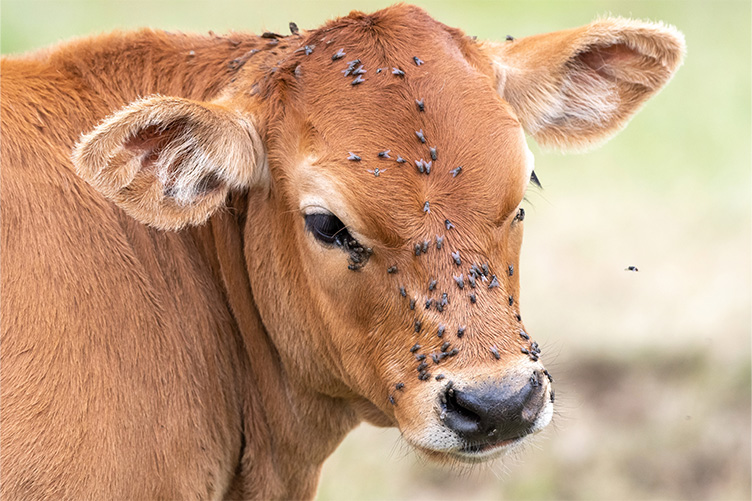
Parasites and flies can affect cattle comfort, growth, and overall health. Internal parasites may cause poor weight gain, rough hair coats, weakness, and digestive problems, particularly in young cattle.
External pests like flies, lice, mites, and ticks can create stress and spread disease. Heavy fly populations may contribute to pinkeye, skin irritation, and reduced feed efficiency.
A combination of proper pasture management, manure control, fly sprays, feed-through products, and strategic deworming programs can help reduce parasite pressure throughout the year.
Healthy Hooves Support Healthy Cows
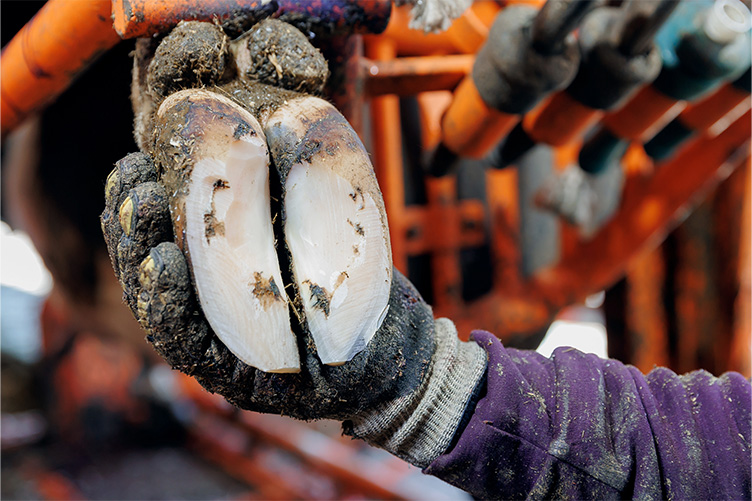
Hoof health is critical for cattle mobility and overall comfort. Lameness can quickly impact feed intake, weight maintenance, and productivity.
Wet ground, rocky footing, and poor sanitation may increase the risk of foot rot and other hoof problems. Providing dry areas for cattle to stand and minimizing excessive mud can help protect hoof health.
Any signs of limping or reluctance to move should be addressed promptly before the condition worsens.
Reduce Stress Whenever Possible
Stress weakens the immune system and increases the risk of illness. Transportation, overcrowding, poor handling, sudden feed changes, and extreme weather can all contribute to stress in cattle.
Maintaining consistent routines helps cattle feel more secure. Calm, low-stress handling techniques also improve safety for both cattle and handlers while reducing unnecessary anxiety within the herd.
Calf Care Is Especially Important
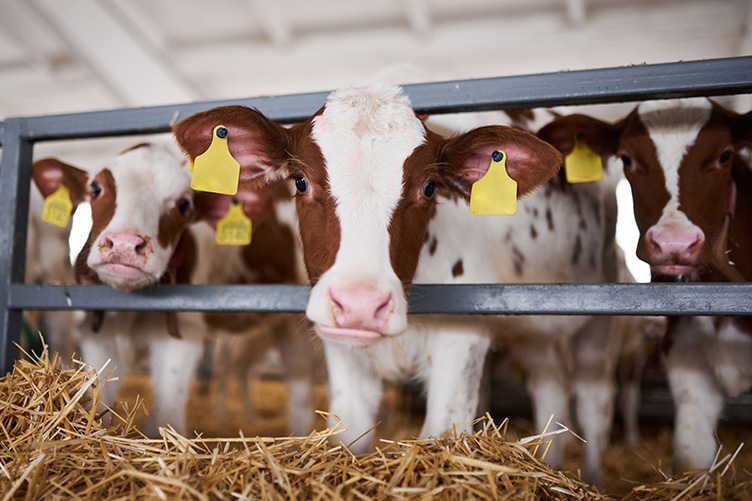
Healthy calves are the future of any herd. Early nutrition and proper management have a major impact on long-term health and development.
Newborn calves need adequate colostrum shortly after birth to support immune function. Clean bedding, proper nutrition, and protection from harsh weather are also essential.
Young calves are particularly vulnerable to scours, pneumonia, dehydration, and parasites, making early monitoring extremely important.
Seasonal Care Throughout the Year
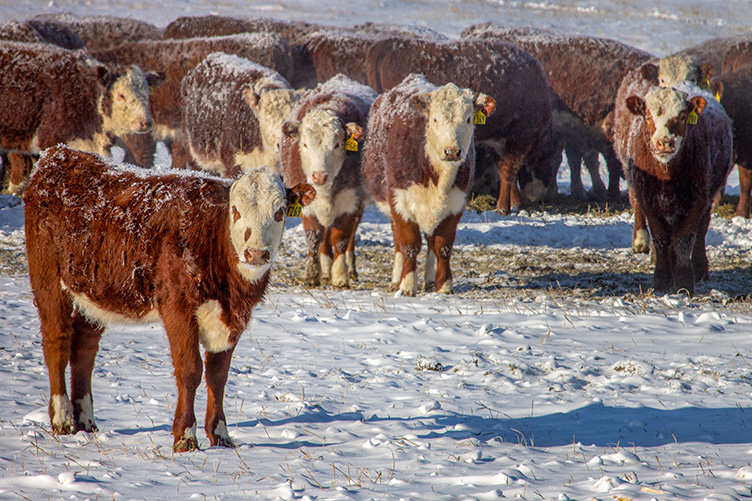
Every season brings different challenges for cattle owners.
Summer heat can lead to dehydration and heat stress, especially in heavier breeds and dairy cows. Shade, airflow, and constant access to water become especially important during hot weather.
Winter creates its own concerns, including frozen water, mud, weight loss, and respiratory stress. Extra bedding, reliable shelter, and proper calorie intake help cattle maintain condition during colder months.
Keeping cows healthy starts with strong daily management, quality nutrition, clean water, safe housing, and consistent observation. Preventative care and early intervention can help avoid many common cattle health issues before they become serious problems.
Whether you raise a few backyard cows or manage a larger herd, investing in your cattle’s health creates healthier animals, improved productivity, and a more successful farm overall.
At The Cheshire Horse, we’re proud to support local farmers and livestock owners with cattle feed, minerals, fencing supplies, fly control products, farm essentials, and knowledgeable service for every stage of cattle care. We’re here to help you care for your herd every step of the way.
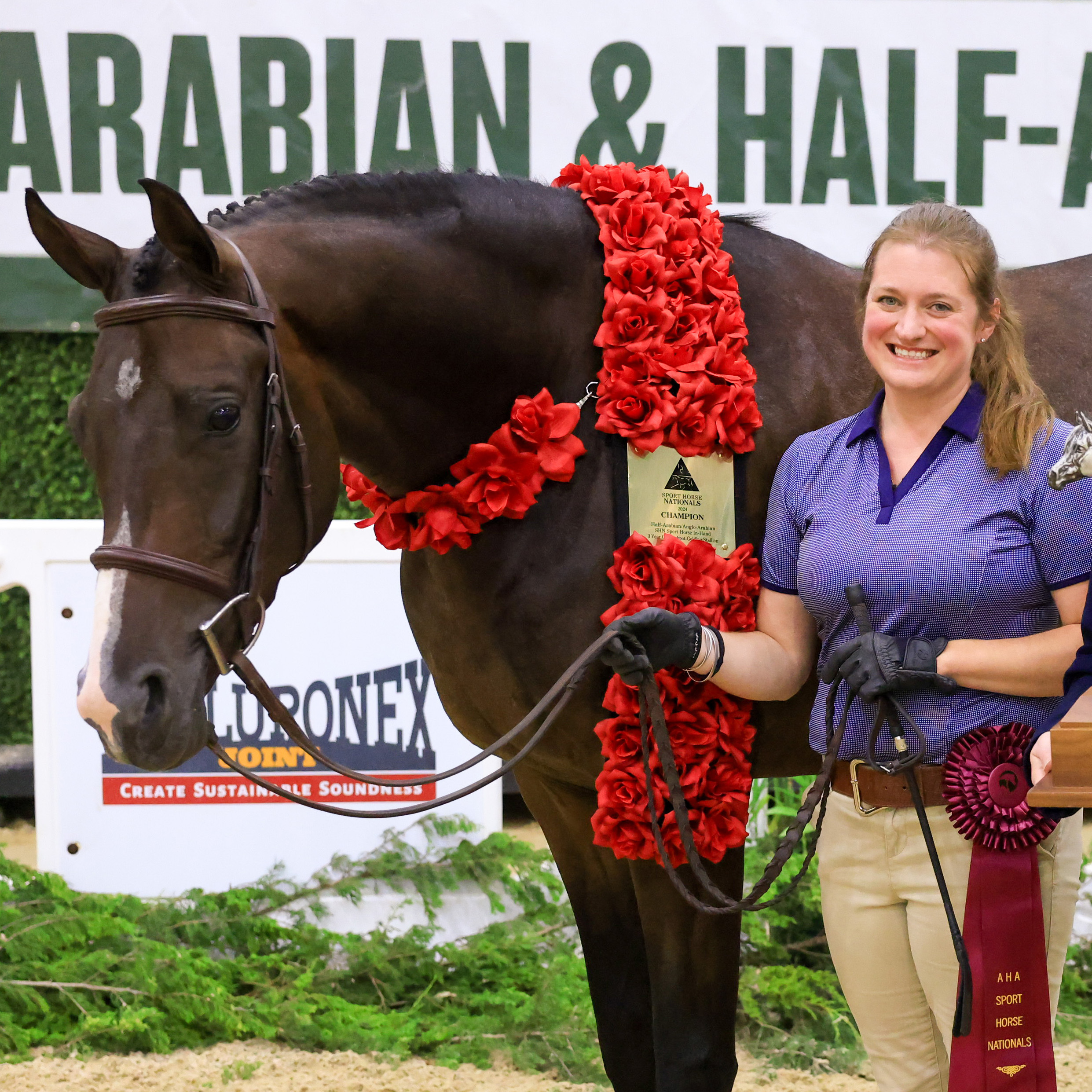
Jennifer Keating is an equestrian and the e-commerce copywriter for The Cheshire Horse. She’s been competing on the hunter/jumper and Arabian circuits for years and has earned nearly 20 national championship titles along the way. She’s still actively showing while also writing about the products and gear she knows from real experience in the barn and the ring.