

Sheep, with their fluffy coats and gentle demeanors, are beloved by many. But as any shepherd knows, these charming creatures can be susceptible to a variety of ailments. Whether you’re a seasoned farmer or just starting your flock, staying informed about common sheep health issues is crucial for ensuring the well-being of your animals.
This comprehensive guide delves into the most frequently encountered sheep problems, equipping you with the knowledge to recognize symptoms, understand causes, and implement effective prevention and treatment strategies.
Internal Parasites
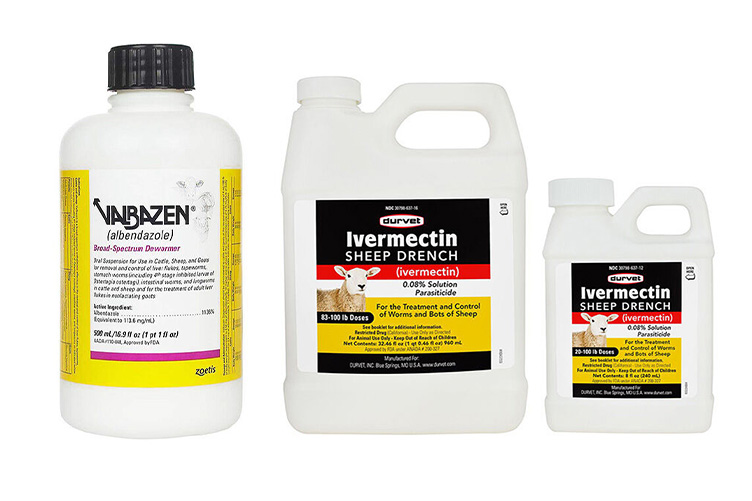
Top of the list are internal parasites, tiny hitchhikers that wreak havoc on your sheep’s digestive system. Regular deworming with veterinarian-recommended products, like Zoetis Valbazen Drench – Broad-Spectrum Dewormer and Durvet Ivermectin Sheep Drench, is key to keeping these unwelcome guests at bay.
- Barber’s pole worm: This blood-sucking worm thrives in warm, humid conditions and can cause anemia, weakness, and even death. Regular deworming is key to prevention.
- Liver fluke: These flatworms damage the liver, leading to weight loss, jaundice, and decreased productivity. Controlling access to wet areas and using appropriate dewormers are crucial.
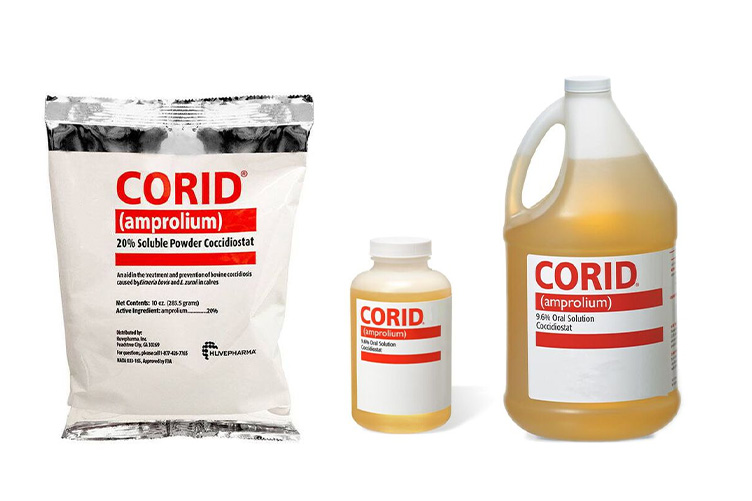
- Coccidiosis: This protozoan infection affects young lambs, causing diarrhea, dehydration, and weight loss. Maintaining clean, dry housing and coccidiostat treatment (like Merial Corid 20% Soluble Powder Coccidiostat and Merial Corid Solution) can help.
External Parasites
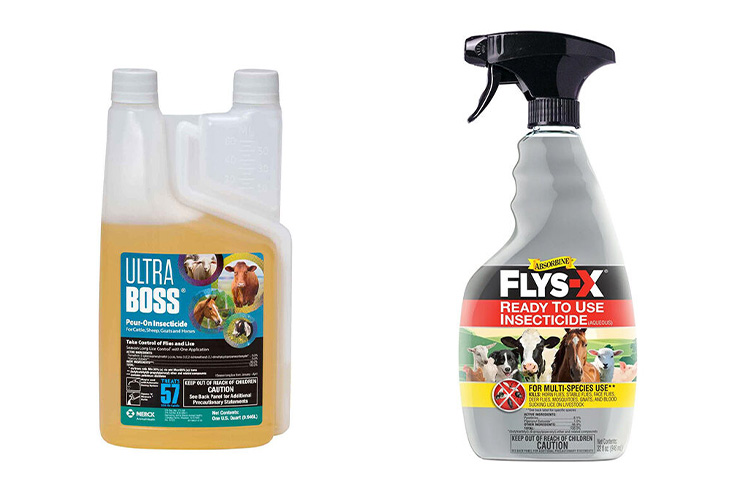
External parasites like sheep scab mites and blowflies can cause serious problems. Vigilant monitoring, shearing, and strategic use of insecticides (such as Merck Ultra Boss Pour-On Insecticide and Absorbine Flys-X Fly Spray) are crucial for preventing and controlling these external threats.
- Flystrike: This painful condition occurs when blowflies lay eggs in moist wool, leading to maggot infestation. Regular shearing, keeping sheep clean and dry, and using fly repellents are essential.
- Sheep scab: This highly contagious mite infestation causes intense itching, wool loss, and discomfort. Prompt treatment with appropriate acaricides is necessary.
- Lice and keds: These external parasites irritate the skin and can cause discomfort and reduced wool production. Regular inspections and targeted treatment are recommended.
Bacterial and Viral Diseases
Bacterial and viral foes can wreak havoc on your flock. Vaccination, hygiene, and prompt treatment are your weapons against these silent invaders. Keep your sheep safe and sound with knowledge and action!
- Footrot: This contagious bacterial infection affects the hooves, causing lameness and pain. Regular hoof trimming, maintaining dry housing, and early treatment with antibiotics and topical products, like Dr. Naylor Hoof ‘N Heel, are crucial.
- Mastitis: This inflammation of the mammary glands can occur in lactating ewes and can be caused by bacteria. Prompt treatment with antibiotics is essential to prevent complications.
- Pneumonia: This respiratory infection can be caused by various factors and can lead to difficulty breathing, coughing, and fever. Vaccination, good ventilation, and prompt treatment with antibiotics are essential.
Nutritional Deficiencies
Balanced diets, strategic supplements, and understanding your sheep’s needs are essential to your flock’s health and happiness. Remember, prevention is key, so nourish your sheep wisely and watch them thrive!
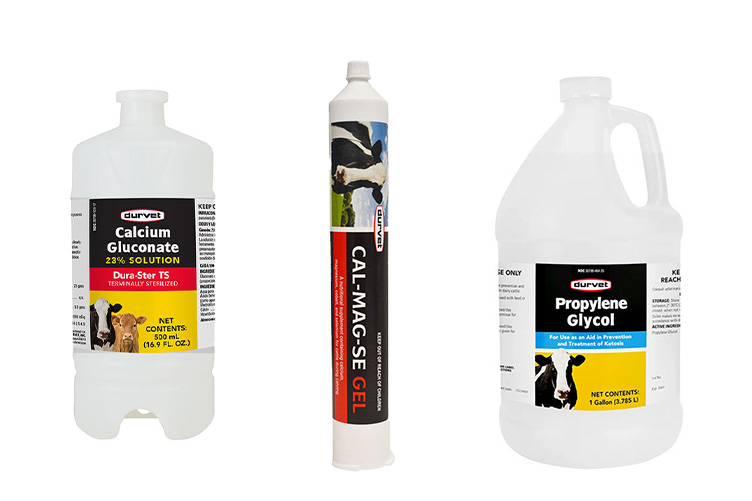
- Hypocalcemia (milk fever): This calcium deficiency occurs around lambing and can cause seizures and death. Supplementation with calcium, such as Durvet Calcium Gluconate and Durvet Cal-Mag-Se Gel, and proper nutrition are essential.
- Pregnancy toxemia: This energy deficiency in late pregnancy can lead to seizures, coma, and death. Providing adequate energy-rich feed and drench (Durvet Propylene Glycol), as well as monitoring pregnant ewes closely, is crucial.
This is not an exhaustive list, and specific concerns may vary depending on your location, breed, and management practices. Always consult with your veterinarian for diagnosis, treatment recommendations, and preventive measures tailored to your flock’s needs.
Prevention is Key
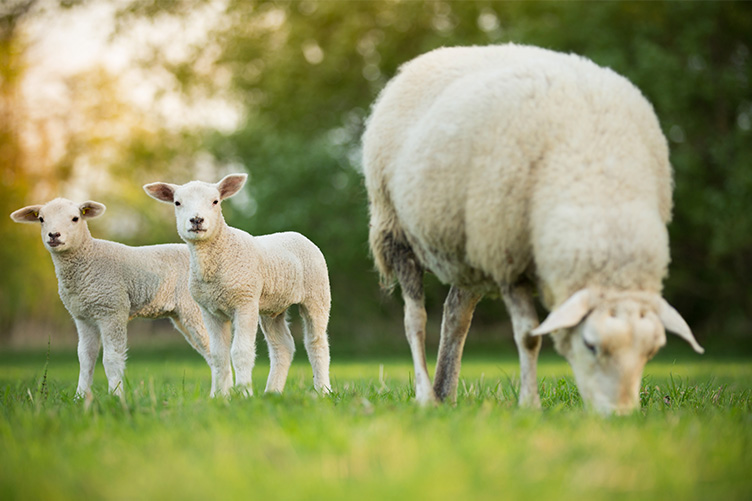
Many sheep ailments are preventable through proper management practices. Here are some key steps you can take:
- Maintain a clean and dry environment: This reduces the risk of parasite infestations and bacterial diseases.
- Provide high-quality feed and water: Ensure your sheep have access to all the nutrients they need to stay healthy.
- Implement regular deworming and parasite control: Follow your veterinarian’s recommendations for parasite management.
- Vaccinate according to local recommendations: This helps protect your flock from specific diseases.
- Monitor your sheep closely: Early detection of any health problems is crucial for successful treatment.
- Seek professional help when needed: Don’t hesitate to consult your veterinarian if you have any concerns about your sheep’s health.
By understanding common sheep ailments and implementing preventative measures, you can ensure the health and well-being of your flock, allowing them to thrive and bring you joy for many years to come.
Remember: This blog post is for informational purposes only and should not be taken as veterinary advice. Always consult with a qualified veterinarian for diagnosis and treatment of any sheep health concerns.
