
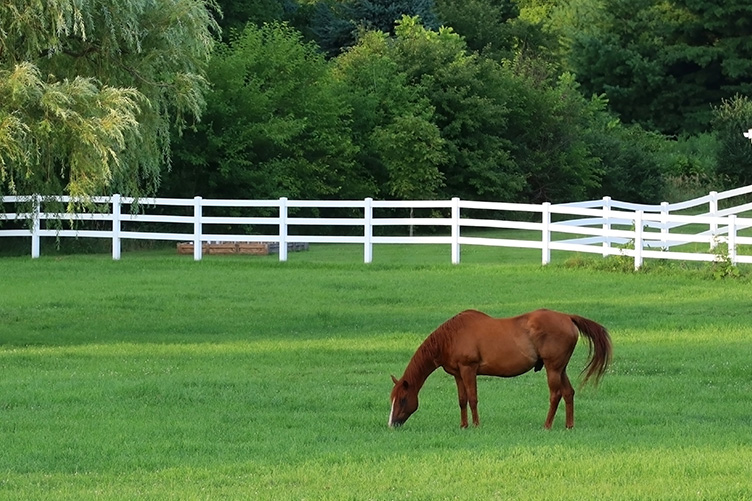
Spring has sprung! The days are getting longer, the birds are singing, and for equestrians, it’s the perfect time to shake off the winter blues and get our horses back outside. But before you fling open the gate and let your four-legged friend loose in their green paradise, a thorough paddock inspection is crucial.
Why Spring Inspections Matter

Winter weather can wreak havoc on your paddock. Heavy rains can create muddy patches, strong winds can topple fencing, and freezing temperatures can damage water sources. A spring inspection allows you to identify and address any potential hazards before your horse sets hoof to grass. This proactive approach can prevent injuries, illnesses, and unwanted escapes.
What to Look For in Your Pasture
Here’s a comprehensive checklist to guide your spring paddock inspection:
- Fencing: Check for any loose boards, damaged wire mesh, or leaning posts. Ensure all gates function properly and secure latches are in place. Address any fencing issues immediately. Loose boards or damaged wires can allow your horse to escape or injure themselves.
- Mud: Heavy rains can turn paddocks into muddy bogs. Look for areas where water accumulates and consider adding drainage ditches or gravel pads to create dry zones.
- Water Source: Thawed pipes, clogged troughs, and stagnant water can all pose problems. Thoroughly clean out troughs and ensure water systems are functioning properly. Ensure your horse has access to fresh, clean water at all times.
- Shelter: Inspect your shelters for damage from winter storms and ensure they offer adequate protection from the elements. Repair any damage as needed.
- Vegetation: Spring brings a flush of new growth, but some plants can be toxic to horses. Familiarize yourself with common poisonous plants in your area and remove them from the paddock. Refer to this blog about toxic plants in the Northeast for details.
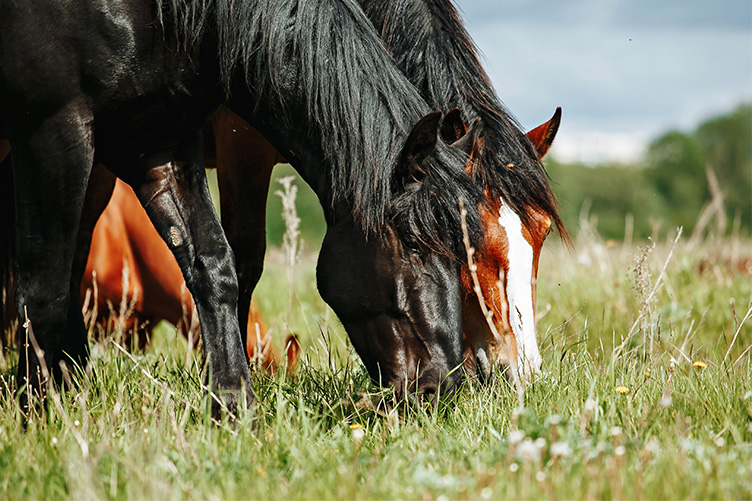
- Holes and Uneven Ground: Freezing and thawing can create uneven surfaces and hidden holes. Fill any potential tripping hazards with safe dirt and consider leveling dips.
- Manure Piles: A build-up of manure can harbor parasites and create slippery areas. Develop a regular schedule for removing manure piles to prevent parasite infestations and maintain a clean environment. We recommend that you utilize fly predators to help control flies and biting insects in the pastures and around the barn.
Going the Extra Mile
While a thorough inspection is key, here are some additional tips to ensure your horse enjoys a safe and healthy spring in their paddock:
- Gradual Turnout: After a long winter cooped on winter dry lots, it’s important to gradually reintroduce your horse to field turnout time. Start with short sessions in the larger pastures and slowly increase the duration as they adjust.
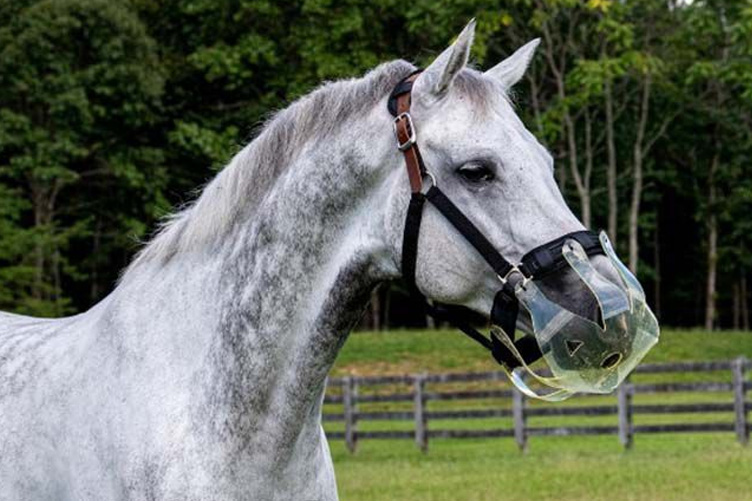
- Grazing Management: Spring grass can be high in sugar and protein, which can lead to laminitis for certain horses. Consult your veterinarian about grazing restrictions, or consider using a grazing muzzle if necessary.
- Parasite Control: Spring is a prime time for parasites. Develop a parasite control program with your veterinarian and adhere to a regular deworming schedule.
By dedicating time to a thorough spring paddock inspection, you can create a safe and healthy environment for your horse to enjoy the beauty of the season. Remember, prevention is always better than cure. A little effort now can save you from bigger problems down the road, allowing you to spend more time enjoying the company of your equine friends.
