The Lowdown on Scratches in Horses
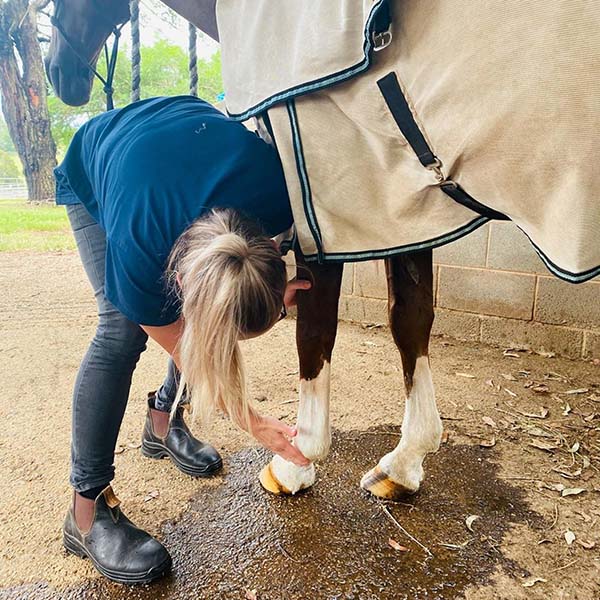
Learn more about scratches in horses and understand the finer details of treating this recurring skin condition.

Learn more about scratches in horses and understand the finer details of treating this recurring skin condition.
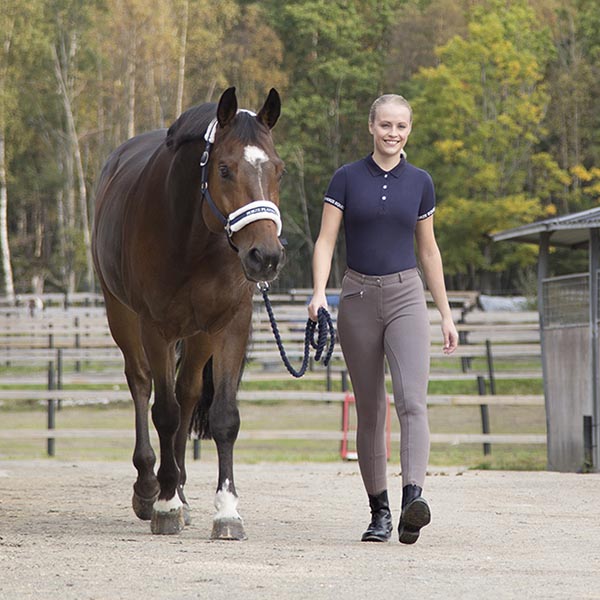
In this blog, we explore some of our favorite time-saving tips and ways to let you make the most of your time in the barn and with your horse, especially if you keep your horse at home, have a rough board situation, or perform chores as part of your co-op board.
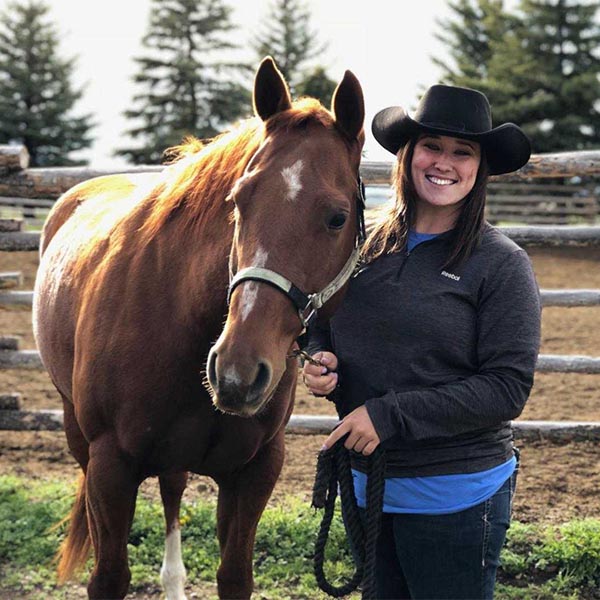
Join our employee Maria on her journey to breed her Quarter Horse mare named Sky. In part I of the series, she discusses important deciding factors when choosing to breed her mare.
As horse owners, we all want the best for our beloved animals. To keep our horses happy and comfortable, monitoring for and preventing ulcers is important. Keep reading to learn more about some of the management practices that will limit the occurrence of ulcers in your horse.
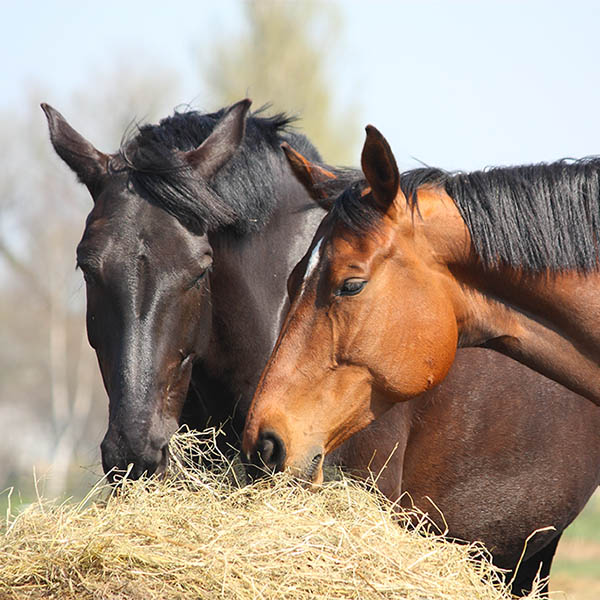
Forage should be considered a horse’s main source of nutrients since it contains most of the calories that they need to thrive. Choosing the right hay for your horse is an essential part of your horse’s overall wellness. Join us as we explore the hallmarks of quality hay and forage and how to store your hay after you have made your purchase.
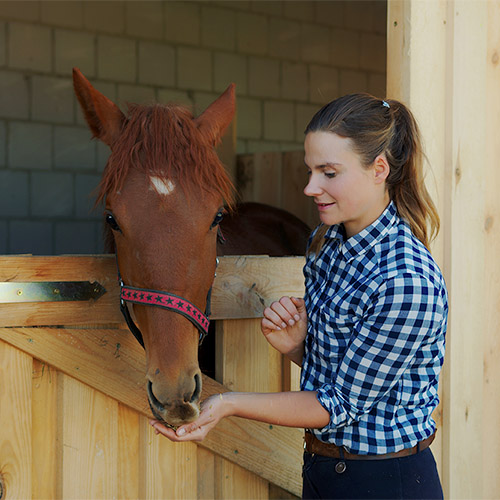
In this blog, we take a look at the various types of horse treats on the market so that you can choose the perfect match for your beloved horse or pony.
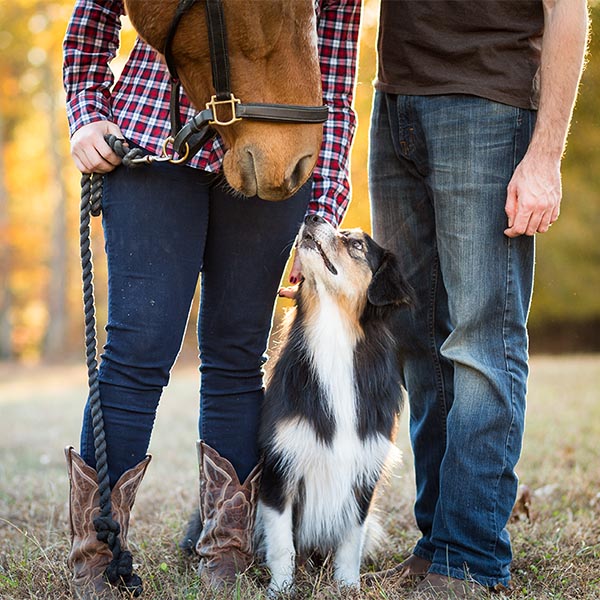
We sat down with a few industry professionals to learn a bit more about equine insurance and pet insurance while understanding the greatest benefits of these programs.
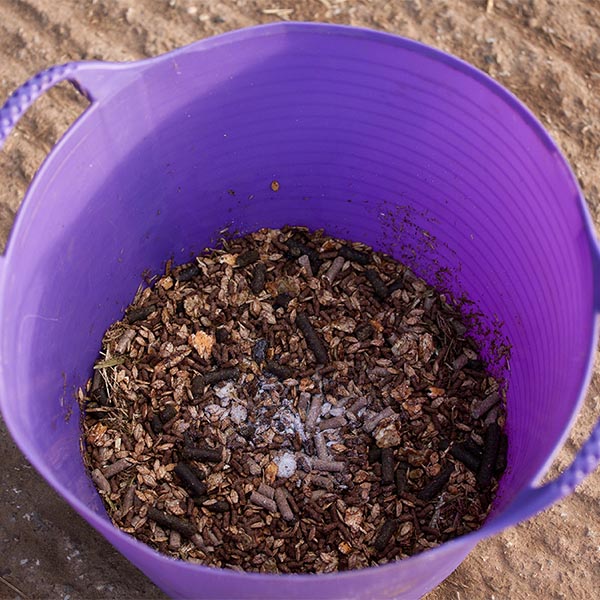
From painkillers and antibiotics to dewormers and electrolytes, there are many equine medications that are designed to be administered orally. A well-rounded equestrian knows that while these medications have tremendous benefits for your horse, they can be challenging to administer to many horses. In this blog, we explore some of the more commonly used methods of giving oral medications, as well as a few “tricks of the trade” that we have found to be effective.
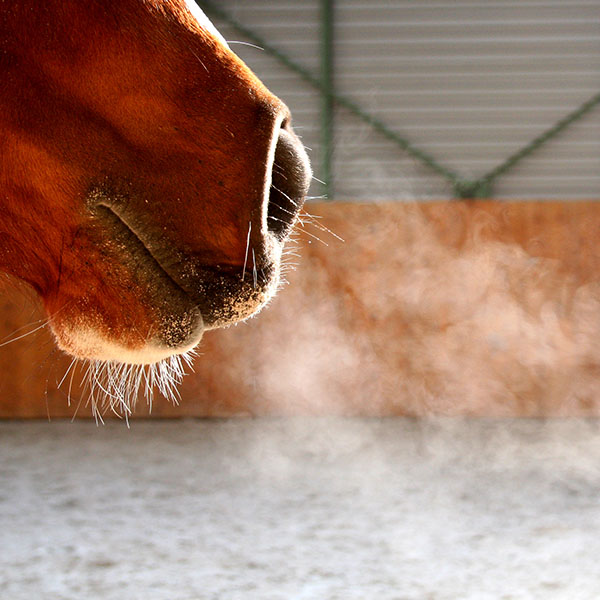
Heaves is a non-infectious, allergic response to mold in the air, pollen, or dust most commonly found in hay, straw, and bedding. Many times this means that heaves are made worse in the fall and winter months, when your horse may be spending more time in the barn. Comparable to asthma in humans, most affected horses begin to display signs around eight years old.
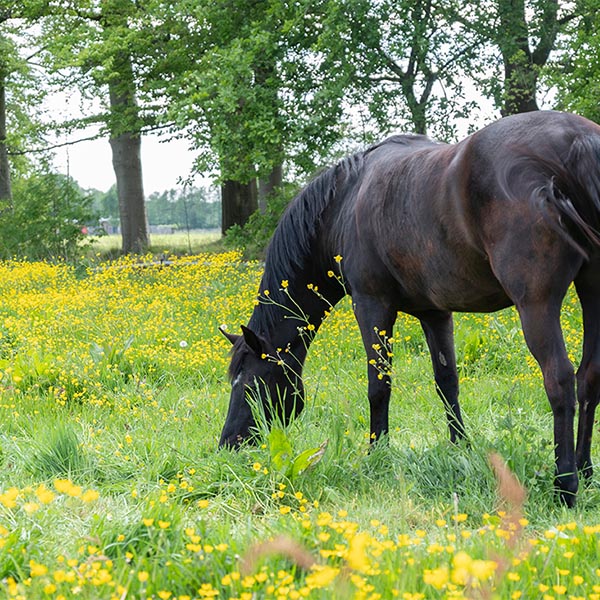
In this blog post, we explore some of the poisonous weeds and plants that can be commonly found in New England and the rest of the Northeast, while helping you identify them.