

Body clipping a horse is a common grooming practice that results in a shorter, easy-to-groom coat that is especially beneficial during the winter when horses may sweat and heat up during work when they would traditionally grow a coat. Body clipping also aids in maintaining a horse’s appearance for shows and competitions, as well as providing comfort for horses who may have trouble shedding, such as horses with Cushing’s.
Properly clipping a horse requires a bit of knowledge, patience, and the right equipment. In this guide, we’ll walk you through considerations when clipping your horse.
The Benefits of Clipping
Clipping is primarily done to regulate a horse’s body temperature, particularly during the colder months. Unlike dogs and cats, horses don’t have the ability to shiver to generate heat. Instead, they rely on their thick winter coat to keep warm. However, this can become problematic when horses are in regular work, since trapped sweat can lead to discomfort and potential health issues. To avoid this, some equestrians choose to body clip their horses. The benefits of body clipping include:
- Temperature Regulation: Clipping helps regulate a horse’s body temperature during exercise, preventing overheating and excessive sweating in cold conditions.
- Faster Drying: Clipped horses dry faster after workouts, reducing the risk of chills and illness.
- Improved Comfort: Clipping enhances a horse’s comfort, reducing the risk of skin irritations and infections caused by sweat-soaked coats.
- Enhanced Performance: Clipped horses often perform better, since they can work comfortably without the hindrance of a thick winter coat.
Types of Horse Clips
There are many different types of clips to consider for your horse. It is important to review your horse’s exercise level, living conditions, and age before deciding which clip to do.
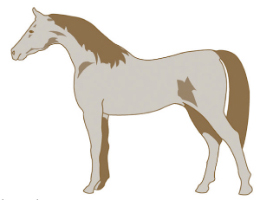
Full Body Clip: A full-body clip includes everything from the inside of the ear to the tip of the back foot, excluding the forelock, mane, and tail. It’s a personal preference whether to include the bridle path and saddle pad. With this clip, the horse must be blanketed when not working once the weather is colder (generally under 45 degrees). Reference our Blanketing Guide to learn more about blanketing a body-clipped horse. This is a great option for horses that are in full work or may need help shedding or with temperature regulation.
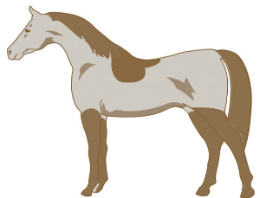
Hunter Clip: With the hunter clip, the entire body is clipped except for the legs. This clip is appropriate for field hunters (where the hairy legs will protect from pricker bushes), for young horses in training (primarily in racing), and occasionally for endurance horses. Many equestrians use this clip for a blanketed horse that will still be spending time in the snow during turnout, allowing the long leg hair to provide additional warmth.
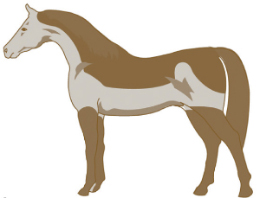
Trace Clip: When performing a trace clip, the hair is removed from the front of the neck, chest, and underside of the stomach. A clipped strip of hair runs from the front of the chest, just above the forearm, low across the barrel, and to the hind legs. This clip removes the hair inside the upper legs, both front and back. Coat hair is also removed from any area where the horse sweats heavily and from any vascular area to allow more temperature regulation while working. This is a good choice for a horse who is in light work and may or may not live outside.
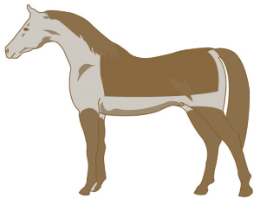
Blanket Clip: A blanket clip looks like an exercise blanket and is excellent for a horse who is in heavier work and living in a cold climate. It allows the sweat to evaporate more freely but, at the same time, retains some of the body heat. It prevents the horse from getting a chill when they are not working. The blanket pattern starts behind the shoulder and continues across the hindquarters and up the buttocks.
The Tools for the Job
Before you begin, make sure you have all the necessary equipment ready. You’ll need:
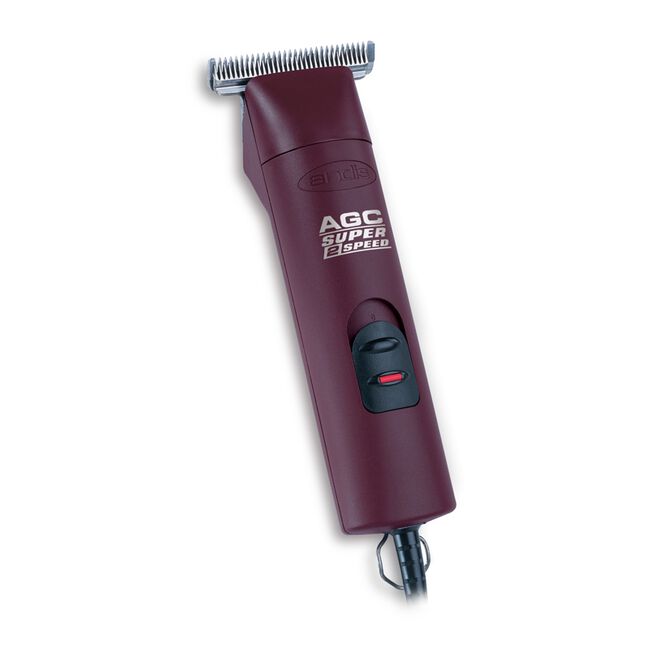
Clippers: Invest in quality horse clippers. Choose between cordless clippers or corded clippers, depending on your preferences. Generally, cordless clippers are quieter and easier to maneuver, but you need to have a backup battery (or two!) on hand for a full body clip. When clipping multiple horses, many professionals use corded clippers because they maintain even power throughout the clip job.
When choosing clippers, first consider the workload. For small trims and touch-ups on one horse, a smaller, compact clipper may serve you well. For larger jobs on multiple horses, you’ll need a more powerful machine. For nervous horses, try a quiet running machine that gives a faster clip. Always err on the side of power and performance. Heavier duty clippers work faster, stay cooler, and last longer — ultimately giving you the most bang for your buck.
Blades: Select an appropriately sized clipper blade for your job. Finer blades (smaller blade numbers) are used for a smoother finish and detail work, while coarser blades (larger blade numbers) are better for heavy-duty clipping and preferred for body clipping. Typically, equestrians will use a #10 blade for body clipping jobs.
If your blades become dull, bring them to a blade sharpening service. The Cheshire Horse offers blade sharpening for very reasonable rates. Blades can be sharpened many times, but eventually, you may have to replace dull old blades with new ones.
Extension Cord(s): If using corded clippers, ensure you have an extension cord long enough to reach the horse comfortably… make sure you have plenty of room to maneuver around your horse. A damaged cord is dangerous, so make sure neither you nor your horse step on it. Immediately replace a damaged cord or switch to a rechargeable cordless clipper.
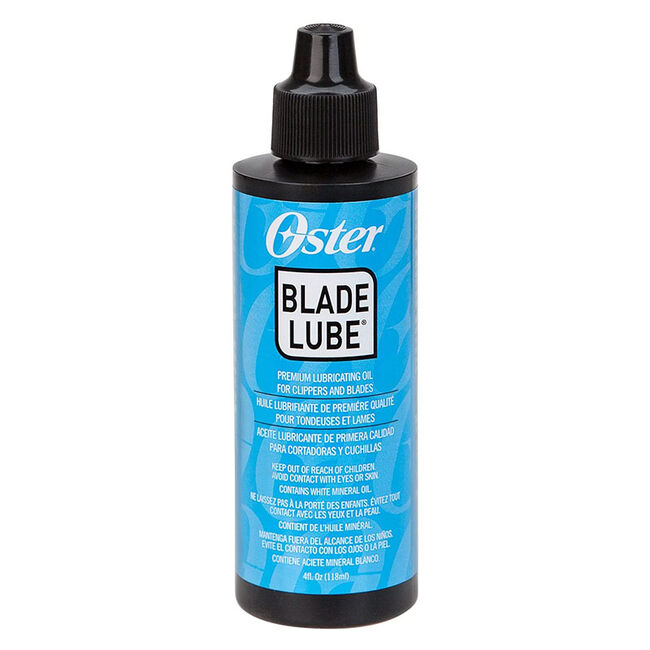
Clipper Oil: Lubricate the clipper blades before and during clipping to prevent overheating and ensure a smooth cut. Use clipper oil, such as Oster Blade Lube – Premium Clipper Blade Lubricating Oil, on the blade every 10-15 minutes as you work. Pour a few tablespoons of oil into a shallow cap and hold the teeth of the blade in it with the clipper running. Make sure you do not allow the oil to flow into the body of the clipper.
Clipper Coolant: If you are working on a big job (like a full-body clip!), the blades may get hot. A good spray coolant, like Andis Cool Care Plus for Clipper Blades, will cool the clippers immediately. Oil your blade after using the cooling spray in order to lubricate the blade.
Grooming Products and/or Bathing Products: Always start with a clean and dry horse. Sweat, wet hair, and dust can dull your blades and jam your clippers. Make sure that you brush or bathe your horse thoroughly to remove dirt, dust, and loose hair. A clean coat will make the clipping process easier, faster, and more comfortable for your horse.
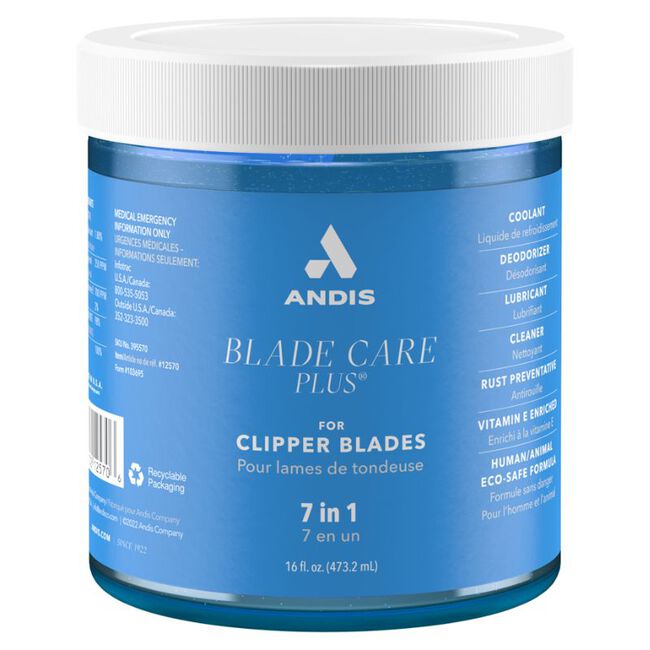
Blade Wash: After you have finished clipping your horse, you will need to clean your blade. To do this, remove the blade from the clipper and brush off any loose hair or dirt from both the clipper and blade with a clipper brush or an extra toothbrush. Re-attach the blade. With the clipper turned on, run the blades in a shallow cup of blade cleaner, such as Andis Blade Care Plus or Oster Blade Wash Cleaner, to prevent corrosion.
Clipper Maintenance
Once you have invested in quality clippers, proper maintenance, and cleaning of your clippers are essential to ensure their longevity and performance. After each use, remove the blades, clean them thoroughly, and oil them. This prevents rust and keeps the clippers sharp. Additionally, you should periodically have your clippers serviced by a professional to ensure they continue to function optimally.
Store the clippers properly. After each use, loop your cord and secure it with a twist tie or other strap. Do not wrap the cord around the clipper, which will cause internal twisting and damage to the cord connections. Store your clippers in a clean, dry, and safe place, such as their case or a dedicated clipper box.
Once you have your equipment together and have prepared your horse for the process, it’s time to get started! Check out our forthcoming blog post, How to Perform a Full Body Clip on Your Horse, for a detailed guide breaking down all the steps.
For many equestrians, clipping their horse is a crucial aspect of equine care and grooming. From enhancing a horse’s comfort and health to improving their performance in various equestrian disciplines, clipping plays a pivotal role in equine management while also making them look their best.
At The Cheshire Horse, we carry everything you need to clip your horses and ward off the winter woolies. If you have any questions regarding the products you need to clip your horse or would like recommendations on the best body clippers available, we encourage you to contact a member of our friendly and knowledgeable sales staff.
