

In the United States, numerous pig breeds are teetering on the brink of extinction. These heritage breeds, once integral to American agriculture, now face significant threats due to industrial farming practices, loss of genetic diversity, and changing consumer preferences. The Livestock Conservancy, a nonprofit organization dedicated to preserving endangered livestock and poultry breeds, has identified several pig breeds as “Critical,” indicating they are at imminent risk of extinction.
Understanding the Conservation Priority List
The Livestock Conservancy’s Conservation Priority List (CPL) categorizes breeds based on their population numbers and genetic integrity. Breeds are classified as Critical, Threatened, Watch, Recovering, or Study. A breed is designated as Critical if it has fewer than 200 annual registrations in the United States and an estimated global population of fewer than 2,000. This classification underscores the urgent need for conservation efforts to prevent these breeds from disappearing.
Critical Pig Breeds in the United States
As of 2024, several pig breeds in the U.S. are classified as Critical:
- Ossabaw Island Hog: Originating from pigs released by Spanish explorers in the 16th century, the Ossabaw Island Hog is a small, hardy breed known for its foraging abilities and unique fat distribution. Today, they are considered critically endangered, with a limited number of breeding individuals remaining.

- Meishan Pig: Imported from China in the late 1980s, the Meishan Pig is renowned for its high reproductive rates and docile temperament. Despite these advantageous traits, the breed has struggled to gain popularity in the U.S., leading to its Critical status. Conservation efforts are underway to increase its numbers and promote its unique qualities.

- Gloucestershire Old Spots: This English breed is known for its white coat with black spots and is prized for its meat quality. In the U.S., it is classified as Critical, with fewer than 200 annual registrations and an estimated global population of fewer than 2,000. Conservation efforts are essential to maintain its genetic diversity and unique characteristics.

Threatened Pig Breeds
In addition to Critical breeds, several pig breeds are classified as Threatened:
- Tamworth Pig: One of the oldest purebred pigs, the Tamworth is known for its hardiness and excellent bacon quality. Once widespread, its numbers have declined, leading to its threatened status. Conservation programs are focused on increasing its population and promoting its unique traits.

- Red Wattle: Distinguished by the fleshy wattles hanging from its neck, the Red Wattle is a hardy breed known for its meat quality. Its numbers have dwindled, and it is now classified as Threatened. Efforts are underway to preserve and promote this unique breed.

Watch Pig Breeds
Breeds classified as Watch are those that present genetic or numerical concerns or have a limited geographic distribution. While not as endangered as Critical or Threatened breeds, they still require attention:
- American Landrace: This versatile breed is known for its high reproductive rates and adaptability. Its numbers are stable, but monitoring is warranted to ensure its continued viability.
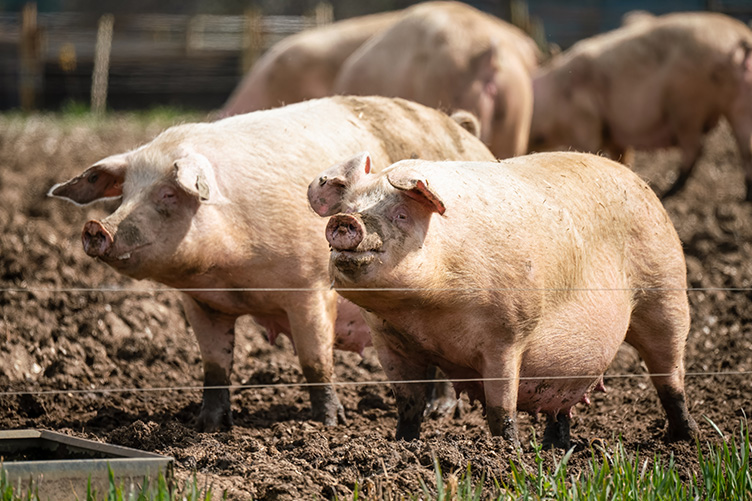
- Berkshire: Renowned for its meat quality, the Berkshire breed has a strong following. While not critically endangered, its numbers are limited, and conservation efforts are important to maintain its genetic diversity.

The Importance of Conservation
Preserving these heritage pig breeds is crucial for several reasons:
- Genetic Diversity: Each breed carries unique genetic traits that can be vital for disease resistance, adaptability to changing climates, and other environmental challenges.
- Cultural Heritage: Many of these breeds have historical significance and are part of America’s agricultural heritage.
- Sustainable Agriculture: Heritage breeds are often better suited to small-scale, sustainable farming practices, contributing to biodiversity and ecological balance.
Conservation Efforts and Successes
The Livestock Conservancy, along with dedicated breeders and organizations, has been instrumental in the conservation of these breeds. Notably, the Meishan pig has moved from Critical to Threatened status, thanks to active conservation programs and increased awareness.
How You Can Help
- Support Heritage Products: Purchasing products from heritage breeds provides economic incentives for farmers to continue raising these animals.
- Get Involved: Join conservation organizations, such as the American Berkshire Association and the American Meishan Pig Association. You can also participate in educational programs or volunteer with local farms that focus on heritage breeds.
- Advocate: Raise awareness about the importance of preserving endangered breeds and support policies that promote biodiversity in agriculture.
By supporting these efforts, we can ensure that these unique pig breeds continue to thrive, preserving their genetic diversity and cultural significance for future generations.
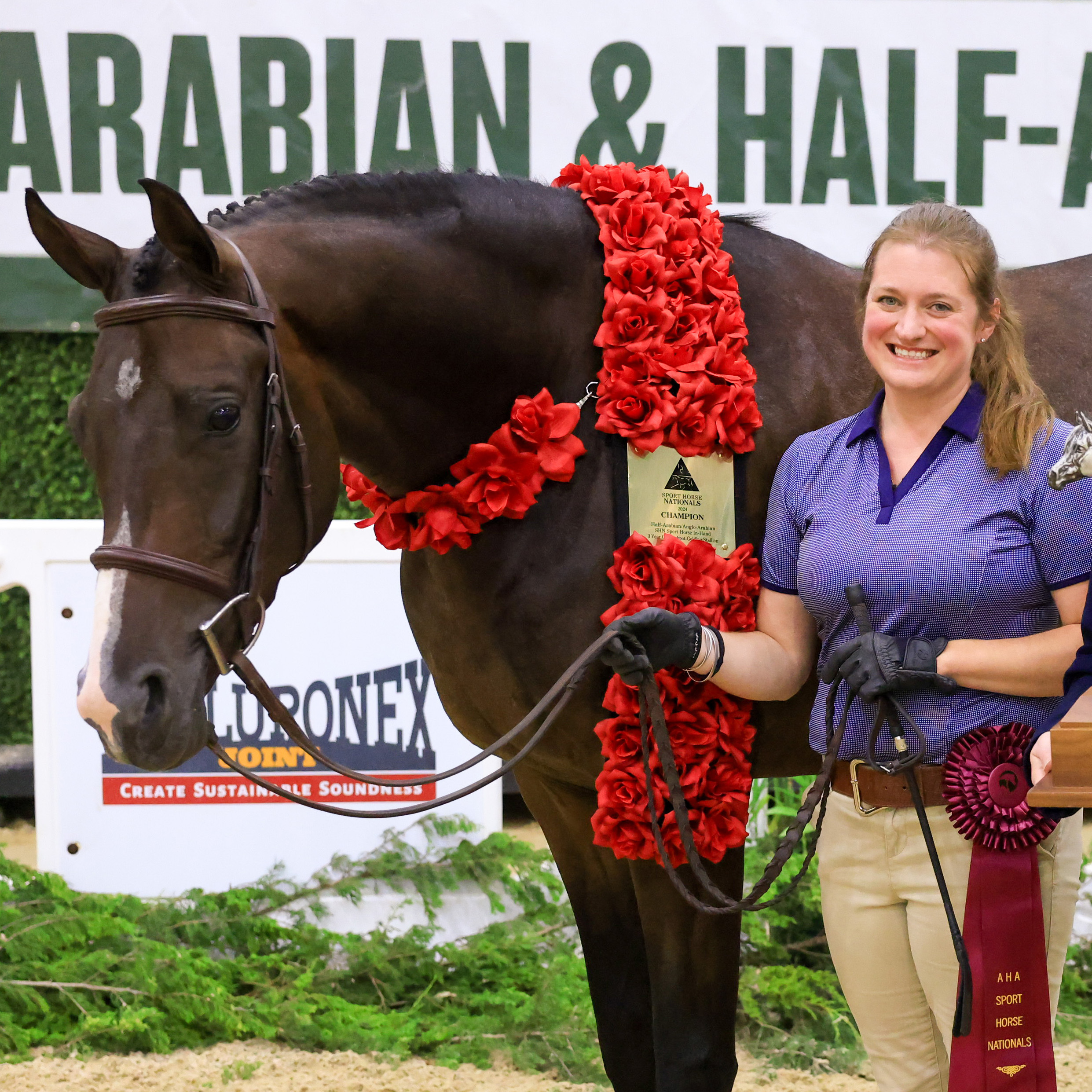
Jennifer Keating is an equestrian and the e-commerce copywriter for The Cheshire Horse. She’s been competing on the hunter/jumper and Arabian circuits for years and has earned nearly 20 national championship titles along the way. She’s still actively showing while also writing about the products and gear she knows from real experience in the barn and the ring.