
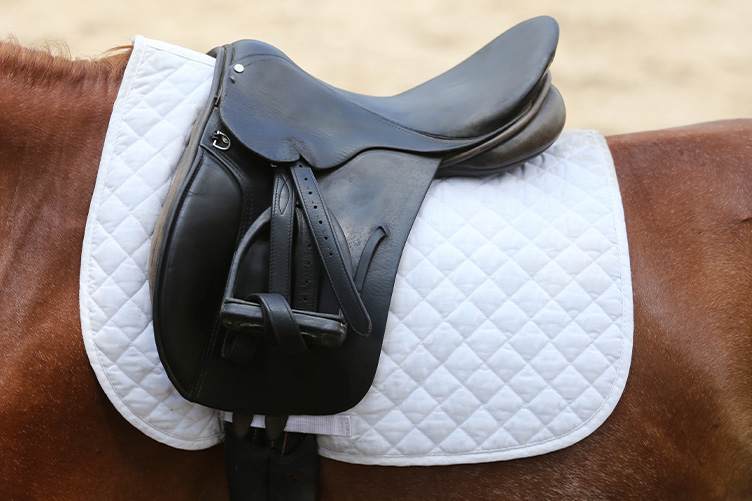
For the equestrian, saddle pads are highly functional, and they can also be a whole lot of fun. Providing cushion and protection for your horse’s back while offering a chance to showcase your personality, it’s easy to see why many horse lovers have a small (or not-so-small) collection of saddle pads for their horses.
This guide will equip you with the knowledge you need to keep your saddle pads clean, fresh, and ready for every ride. We’ll explore daily care routines, delve into the process of washing full-sized and half pads, and provide tips for storing your clean pads for optimal condition.
Washing saddle pads might seem like a chore, but with the right approach, it’s a straightforward process that will extend the life of your pads and, more importantly, contribute to your horse’s comfort and health. This comprehensive guide will walk you through everything you need to know about washing saddle pads, from why it’s important to specific cleaning methods and helpful tips.
Why Bother Washing Saddle Pads?
Before we dive into the “how,” let’s quickly reiterate the “why.” A clean saddle pad offers numerous benefits:
- Horse Comfort: A stiff, crusty, or matted saddle pad can cause pressure points, rubs, and discomfort for your horse. A clean, soft pad allows for proper air circulation and cushioning.
- Skin Health: Dirty pads are breeding grounds for bacteria and fungi. Regular washing helps prevent skin irritations, scratches, and other dermatological issues.
- Tack Longevity: Dirt and sweat can break down the fibers of your saddle pad over time, shortening its lifespan. Cleaning preserves the fabric and stitching.
- Hygiene: Just like our own clothes, tack needs to be cleaned for overall hygiene.
- Aesthetics: Let’s face it, a clean saddle pad looks much better on your horse and helps maintain a professional appearance.
How Often Should You Wash Saddle Pads?
The frequency of washing depends on several factors:
- Usage: If you ride daily, especially if your horse sweats a lot, you’ll need to wash pads more frequently.
- Horse’s Sensitivity: Horses with sensitive skin or a history of skin issues benefit from more frequent pad changes and washing.
- Pad Material: Some materials, like cotton, tend to hold dirt and sweat more than others, like wool or synthetic pads.
- Weather Conditions: Hot, humid weather increases sweat production, necessitating more frequent washing.
As a general rule of thumb, it’s a good idea to rotate through several saddle pads and wash them regularly.
Pre-Washing Preparation: Essential First Steps
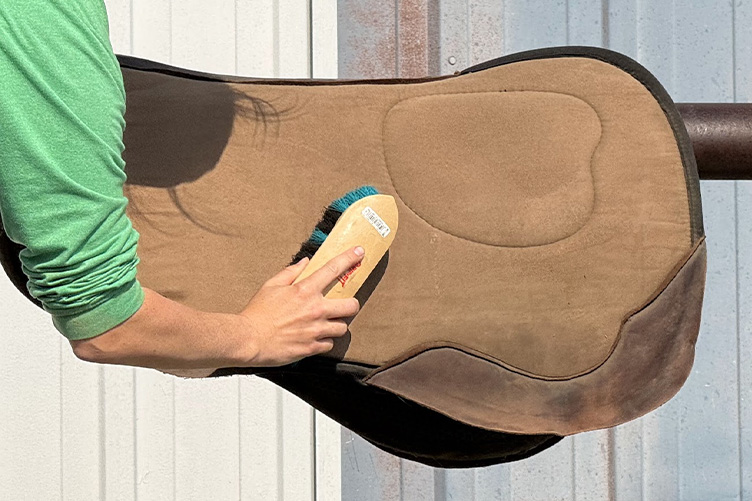
Before tossing your saddle pads into the washing machine, a little prep work goes a long way.
- Remove Excess Hair and Debris: This is arguably the most crucial step. Use a stiff brush, a rubber curry comb, or even a vacuum cleaner to remove as much loose hair, dirt, and dried sweat as possible. Pay particular attention to the underside of the pad. Failure to do this will clog your washing machine’s filter and can leave your pads still feeling gritty.
- Shake Out Loose Dirt: Give the pad a good shake outdoors to dislodge any remaining arena footing or dust.
- Hose Off (Optional): For heavily soiled pads, especially those with caked-on mud or sweat, hosing them off thoroughly with plain water before washing can help immensely. This pre-rinse will remove a lot of the heavy grime.
- Check for Repairs: Inspect your pads for any tears, loose binding, or damaged stitching. It’s often easier to repair these before washing, as the washing process can worsen existing damage.
Washing Methods: Your Options
There are several ways to wash saddle pads, each with its own pros and cons.
1. Machine Washing (The Most Common Method)
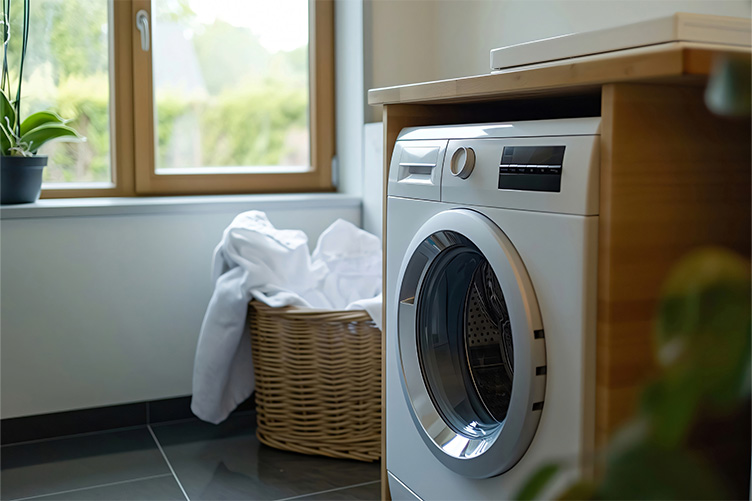
For most synthetic and cotton saddle pads, machine washing is the most convenient and effective method.
What you’ll need:
- Washing machine (front-loader or top-loader without a central agitator is best)
- Mild laundry detergent (fragrance-free and dye-free is preferable for sensitive horses)
- Optional: Baking soda (for extra cleaning power and odor removal)
- Optional: White vinegar, like Harris 30% Vinegar – Extra-Strength Concentrate (as a natural fabric softener and odor neutralizer)
- Optional: Large mesh laundry bag (especially for pads with piping or delicate stitching)
Steps:
- Load the Machine: Don’t overload the washing machine. Wash only one or two pads at a time, depending on their size, to ensure they get thoroughly cleaned.
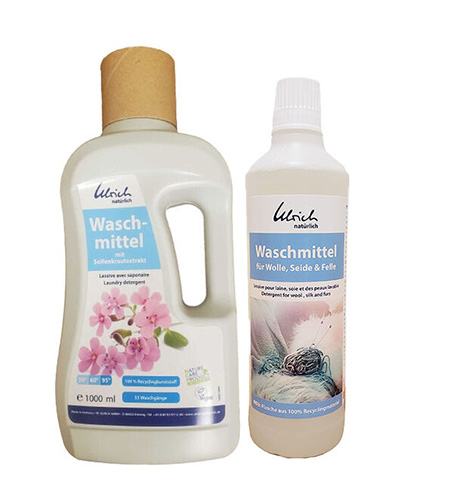
- Add Detergent: Use a mild, low-suds laundry detergent. Avoid harsh chemicals, bleach, or fabric softeners with strong scents, as these can irritate your horse’s skin or degrade the pad’s fibers. Borax or baking soda can be added to the wash cycle for extra cleaning and odor removal.
- Select Cycle and Water Temperature:
- Cold Water: Generally recommended to prevent shrinking, fading, and damage to certain materials or dyes. It’s also more energy-efficient.
- Gentle or Delicate Cycle: This setting is best to protect the pad’s stitching, piping, and overall integrity.
- Extra Rinse Cycle: If available, an extra rinse cycle can help ensure all detergent residue is removed, which is important for sensitive horses.
- Optional: White Vinegar Rinse: During the final rinse cycle, you can add about 1/2 cup of white vinegar. This acts as a natural fabric softener, helps remove any lingering odors, and can cut through detergent residue.
- Avoid Fabric Softener: Liquid fabric softeners can leave a residue that clogs the fibers of your saddle pad, reducing its breathability and absorbency. They can also irritate your horse’s skin.
Important Considerations for Machine Washing:
- Agitator-Free Machines: Top-loading washing machines with a central agitator can be harsh on saddle pads, potentially causing damage to stitching or internal padding. Front-loading machines or top-loaders without an agitator are ideal.
- Specialty Pads: Some saddle pads, especially those with sheepskin, gel, or memory foam inserts, may require specific washing methods. Always check the manufacturer’s label for instructions.
2. Hand Washing (For Delicate or Heavily Soiled Pads)

What you’ll need:
- Large utility tub, muck bucket, or bathtub
- Stiff brush
- Mild soap (e.g., dish soap, mild laundry detergent, or a specialty saddle pad cleaner, such as Leather Therapy Saddle Pad Blanket Rinse)
- Hose or sprayer for rinsing
Steps:
- Fill with Water: Fill your tub with warm (not hot) water.
- Add Soap: Add a small amount of mild soap to the water.
- Submerge and Soak: Submerge the saddle pad and let it soak for 30 minutes to an hour to loosen dirt.
- Scrub: Use a stiff brush to scrub away dirt, sweat, and stains. Pay extra attention to the areas where the saddle sits and the underside of the pad.
- Rinse Thoroughly: This is critical. Rinse the pad repeatedly with clean water until no suds or residue remain. Squeeze out as much water as possible.
3. Pressure Washer (Use with Caution)
A pressure washer can be highly effective for quickly removing heavy dirt and grime, especially from synthetic pads. However, use it with extreme caution.
- Low Pressure Setting: Always use the lowest possible pressure setting. High pressure can damage the fibers, stitching, or internal padding of your saddle pad.
- Distance: Keep the nozzle a safe distance from the pad to avoid damage.
- Not for All Pads: Avoid using a pressure washer on delicate pads, sheepskin pads, or pads with intricate stitching.
Drying Saddle Pads: The Crucial Final Step
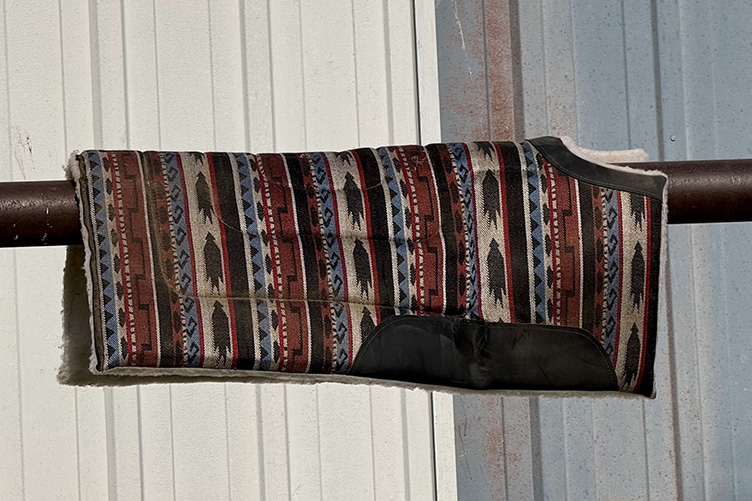
Proper drying is just as important as proper washing to prevent mold, mildew, and lingering odors.
- Air Dry is Best: Always air dry saddle pads. Never put them in a clothes dryer. The heat from a dryer can shrink the pad or melt or damage synthetic fibers, gel inserts, or memory foam.
- Hang Strategically: Hang your saddle pads in a well-ventilated area, preferably outdoors in the sun. Hang them over a sturdy clothesline, a fence rail, or a drying rack, and ensure good airflow around all sides of the pad. Flip the pad periodically to ensure even drying.
- Sunlight Benefits: Sunlight is a natural disinfectant and can help kill bacteria and eliminate odors.
- Ensure Complete Dryness: Make absolutely certain the pad is completely dry before storing it. Storing a damp pad will lead to mold, mildew, and a musty smell. It can take 24-48 hours for your pads to fully dry, depending on humidity and temperature.
Special Care for Specific Saddle Pad Materials
While the general guidelines apply to most pads, some materials require specific attention.
- Sheepskin Pads: Sheepskin is delicate.
- Hand wash or use a gentle cycle with cold water.
- Use a specialty sheepskin wash (e.g., LeMieux, Engel Wool Wash, or Melp) that preserves the natural lanolin in the wool. Regular detergents can strip the lanolin, making the sheepskin stiff and brittle.
- Do not wring or twist. Gently squeeze out excess water.
- Brush while damp: As the sheepskin dries, gently brush the wool with a sheepskin brush to restore its fluffiness.
- Air dry away from direct heat.
- Wool Pads: Similar to sheepskin, wool can shrink or felt with heat.
- Wash in cold water with a wool-specific detergent.
- Lay flat to dry to maintain shape.
- Gel Pads/Memory Foam Pads:
- Check the manufacturer’s instructions first. Many are designed to be wiped clean rather than fully submerged or machine washed.
- If washable, use cold water and a gentle cycle.
- Do not wring or twist.
- Air dry completely. Heat can damage these materials.
Troubleshooting Common Saddle Pad Washing Problems
- Lingering Odors: If your pads still smell after washing, try adding a cup of white vinegar or a 1/2 cup of baking soda to the wash cycle. You can also pre-soak them in a solution of water and baking soda.
- Stains: For stubborn stains, pre-treat them with a stain remover designed for laundry. Test on an inconspicuous area first. A paste of baking soda and water can also work wonders.
- Hair in the Machine: Even after thorough pre-cleaning, some hair might make it into your machine. Regularly check and clean your washing machine’s lint trap and drain filter. Running an empty hot water cycle with a cup of white vinegar occasionally can also help.
Extending the Life of Your Saddle Pads
Beyond washing, here are a few tips to keep your saddle pads in top condition:
- Rotate Pads: Use multiple pads throughout the week to allow them to air out and recover between rides. This also reduces the frequency of washing for any single pad.
- Brush After Each Ride: A quick brush down after each ride can remove a surprising amount of hair and dried sweat, reducing the build-up of grime.
- Store Properly: Store clean, dry saddle pads in a clean, dry tack room, ideally hanging up to maintain their shape and prevent creases.
- Address Rips Promptly: Repair small tears or loose stitching as soon as you notice them to prevent them from worsening.
Washing saddle pads may not be the most glamorous part of horse ownership, but it’s an essential aspect of maintaining your horse’s health, comfort, and the longevity of your tack. By following these guidelines, you can ensure your saddle pads are clean, soft, and ready for your next ride, contributing to a happy and healthy partnership with your equine companion. So, roll up your sleeves, grab that dirty pad, and get washing – your horse will thank you for it!
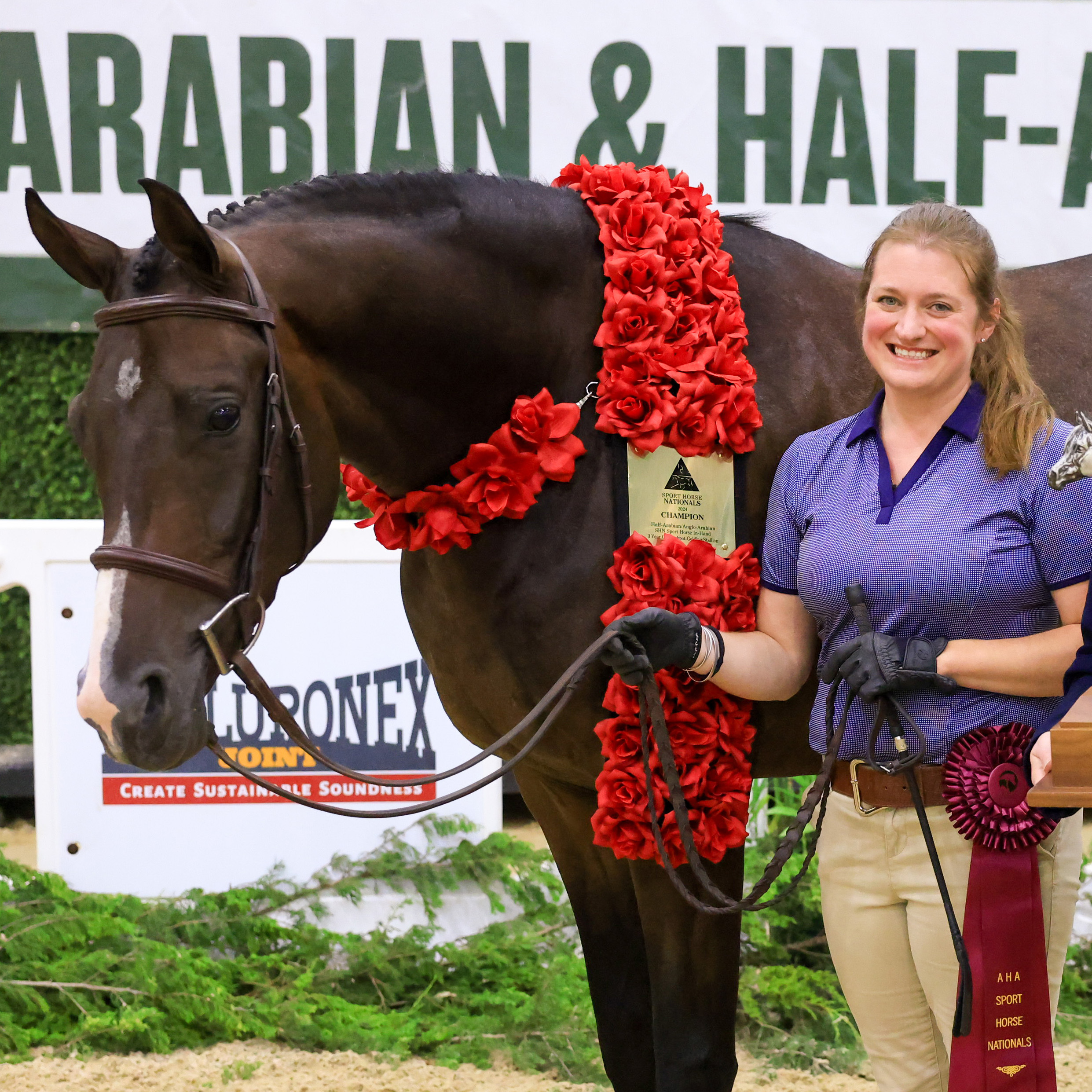
Jennifer Keating is an equestrian and the e-commerce copywriter for The Cheshire Horse. She’s been competing on the hunter/jumper and Arabian circuits for years and has earned nearly 20 national championship titles along the way. She’s still actively showing while also writing about the products and gear she knows from real experience in the barn and the ring.