
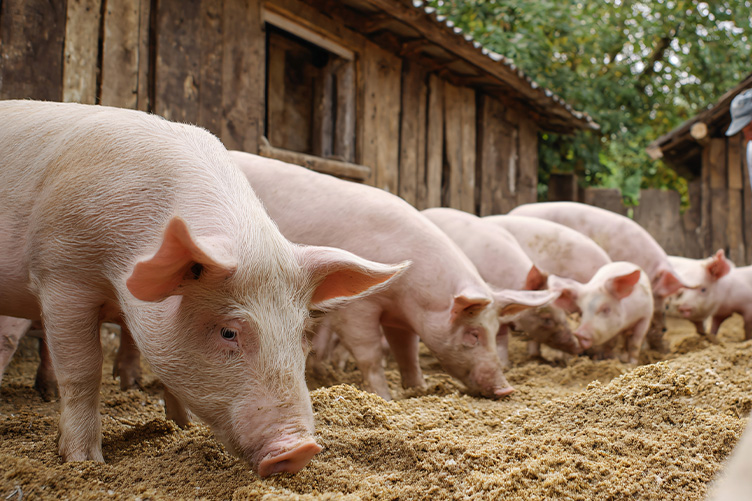
Proper nutrition is one of the most important parts of raising healthy, happy pigs. Whether you’re caring for market pigs, breeding stock, or pet pigs, providing the right balance of nutrients helps support growth, immune health, reproduction, and overall well-being.
At The Cheshire Horse, we know that feeding pigs can feel simple at first, until you realize how much their nutritional needs change depending on age, size, and purpose. Feeding the wrong diet can lead to poor growth, health issues, and unnecessary expenses. Understanding the basics of pig nutrition helps you make confident decisions and keep your pigs thriving.
Why Nutrition Matters
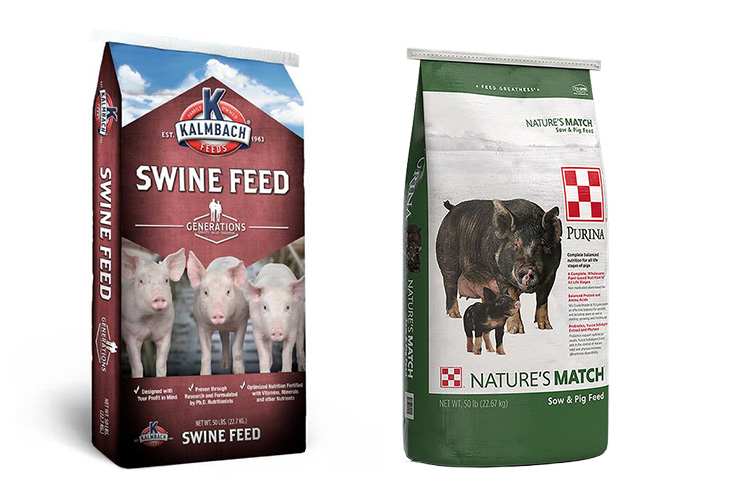
Pigs are efficient animals when it comes to converting feed into growth, but they still require carefully balanced diets to stay healthy. Good nutrition affects nearly every part of their lives, including:
- Weight gain and muscle development
- Reproductive health
- Hoof and bone strength
- Immune system support
- Skin and coat condition
- Digestive health
- Energy levels and behavior
Poor nutrition can lead to slow growth, obesity, digestive problems, weakened immunity, and expensive health concerns later on.
The Building Blocks of Pig Nutrition
Pigs need a balance of six essential nutritional components:
1. Water
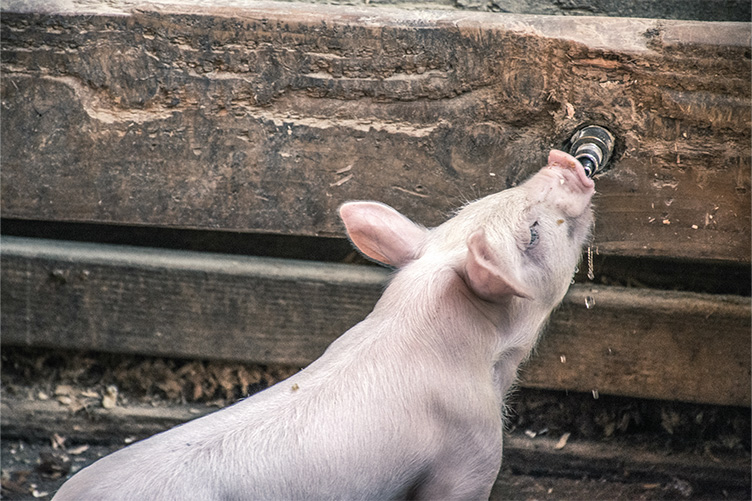
Fresh, clean water is the most important nutrient of all.
Pigs require constant access to water for digestion, temperature regulation, and overall health. A pig without enough water will quickly stop eating, which can impact growth and health very quickly.
Water needs increase during hot weather, pregnancy and nursing, rapid growth stages, and illness recovery. Always check water systems daily, especially automatic waterers.
2. Protein
Protein supports muscle growth, tissue repair, and overall development.
Young pigs require higher protein levels because they are growing rapidly. Piglets and growing pigs need specially formulated starter and grower feeds that contain proper protein percentages.
Common protein sources include:
- Soybean meal
- Alfalfa meal
- Commercial pig feed blends
- Some grains with protein supplementation
Too little protein leads to poor growth, while too much can be wasteful and expensive.
3. Carbohydrates
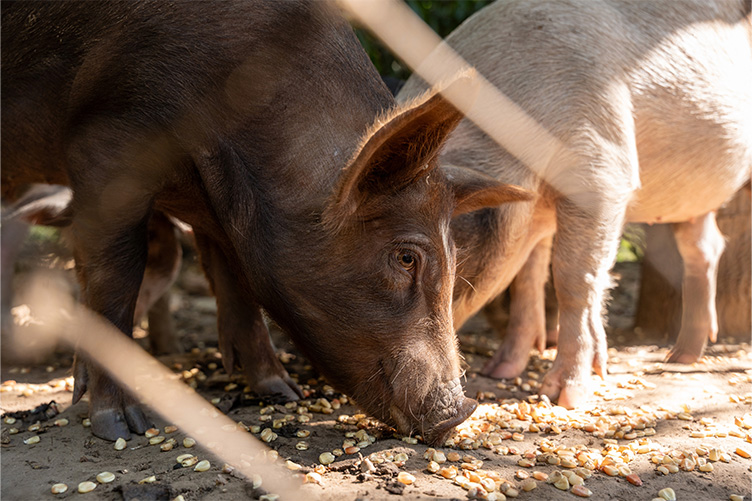
Carbohydrates provide energy. Corn is one of the most common energy sources in pig feed because it is highly digestible and efficient. Other grains like barley, wheat, and oats may also be used depending on the feeding program.
Energy supports daily activity, weight gain, reproduction, and temperature regulation. Balancing energy intake is especially important to prevent obesity in pet pigs.
4. Fats
Fats are concentrated energy sources and can improve feed efficiency.
They are often included in commercial feeds to support:
- Growth
- Body condition
- Reproductive performance
- Skin and coat health
Too much fat, however, can quickly create weight management problems.
5. Vitamins and Minerals
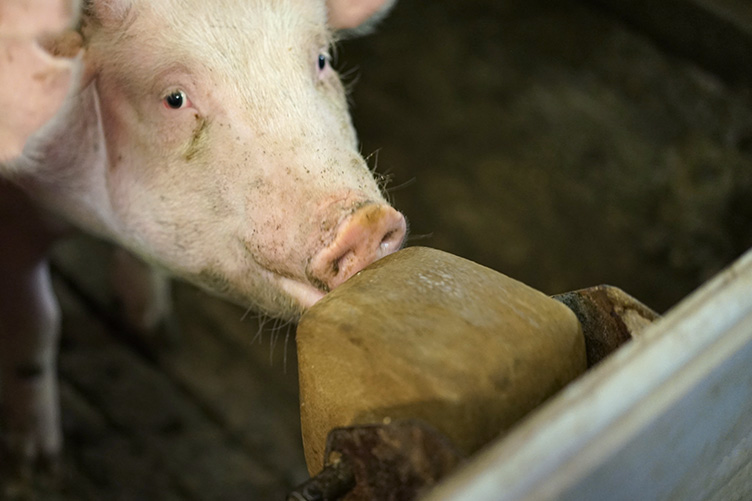
Vitamins and minerals are essential for immune health, strong bones, reproduction, and metabolism.
Important minerals include calcium, phosphorus, zinc, selenium, and iron (especially important for piglets). Many pig feeds already include balanced vitamin and mineral packages, but supplements may be needed depending on your setup.
6. Fiber
Fiber supports digestion, though pigs do not process fiber as efficiently as animals like horses or goats.
Sources may include:
- Beet pulp
- Certain forages
- Limited pasture access
- Some grains and byproducts
Too much fiber can reduce feed efficiency, so balance is important.
Feeding by Life Stage
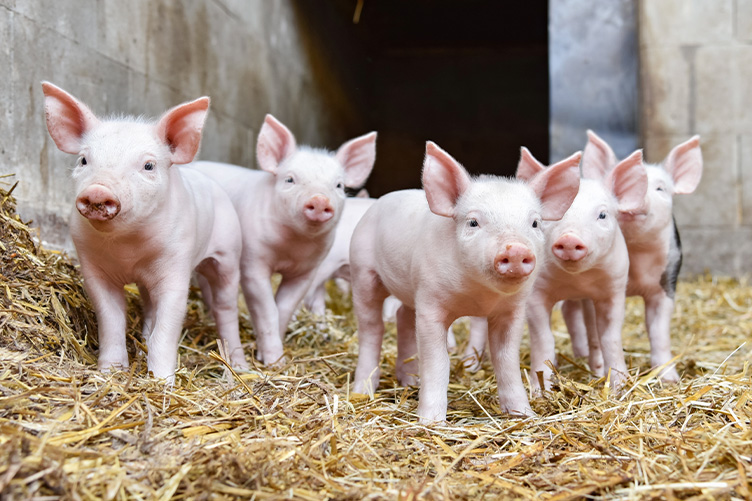
Different pigs require different feeding programs.
Piglets
Piglets need highly digestible starter feeds with high protein and calorie levels to support rapid growth. Iron supplementation is especially important early in life.
Growing and Finishing Pigs
These pigs require balanced grower and finisher feeds that promote muscle development without excessive fat gain.
Breeding Sows
Pregnant and nursing sows need increased nutrition to support fetal development and milk production.
Boars
Boars require controlled feeding to maintain a healthy body condition without becoming overweight.
Pet Pigs
Pet pigs often need strict portion control and lower-calorie feeding plans to prevent obesity.
Commercial Feed vs. Kitchen Scraps
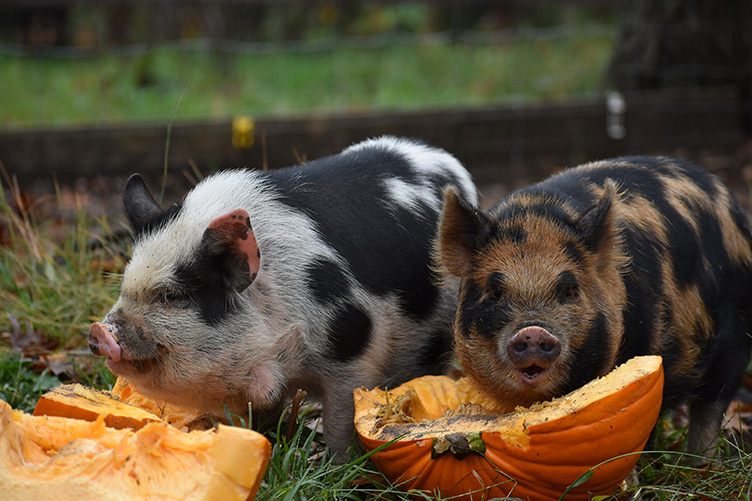
Many people assume pigs can live mainly on leftovers, but this is one of the biggest feeding mistakes beginners make.
While pigs can safely enjoy certain fruits and vegetables as occasional treats, kitchen scraps should never replace complete feed. Commercial pig feed is designed to provide the balanced nutrients pigs need every day.
Safe occasional treats include apples (without seeds), carrots, pumpkin, cucumbers, and leafy greens. Avoid feeding moldy food, salty processed foods, raw meat, excessive bread or sweets, and toxic foods like chocolate or onions. Treats should be just that: treats, not the main diet.
Common Feeding Mistakes
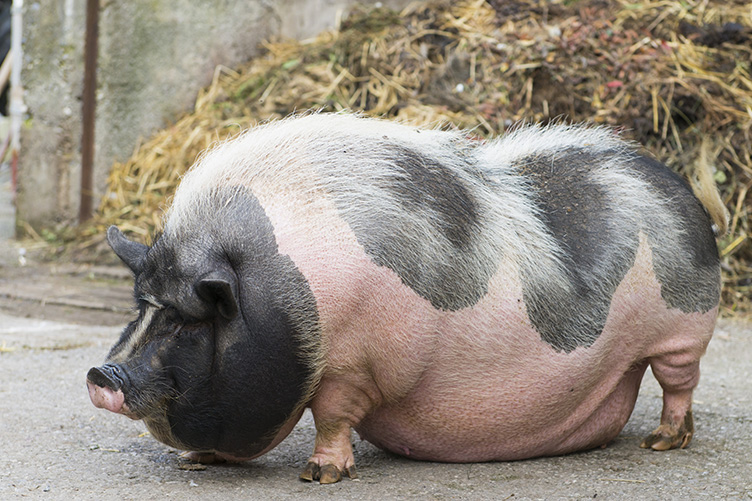
Overfeeding
Pigs love food and will often act hungry even when they are not. Overfeeding leads to obesity, joint problems, and reduced lifespan.
Inconsistent Feeding Schedules
Pigs do best with regular feeding times and consistent routines.
Poor Quality Feed
Cheap feed often creates bigger health problems later.
Ignoring Body Condition
Not every pig should eat the same amount. Monitor weight and adjust feeding as needed.
Final Thoughts
Good pig nutrition starts with simple consistency: clean water, balanced feed, age-appropriate nutrition, and careful monitoring. Feeding pigs well helps prevent many common health issues and sets them up for long-term success.
At The Cheshire Horse, we’re here to help with quality livestock feed, feeding advice, and the supplies you need to keep your pigs healthy at every stage of life. Whether you’re raising your first piglet or managing a growing herd, we’re happy to help you find the right nutrition plan.
Healthy pigs start with smart feeding, and smart feeding starts with understanding the basics.

Jennifer Keating is an equestrian and the e-commerce copywriter for The Cheshire Horse. She’s been competing on the hunter/jumper and Arabian circuits for years and has earned nearly 20 national championship titles along the way. She’s still actively showing while also writing about the products and gear she knows from real experience in the barn and the ring.