
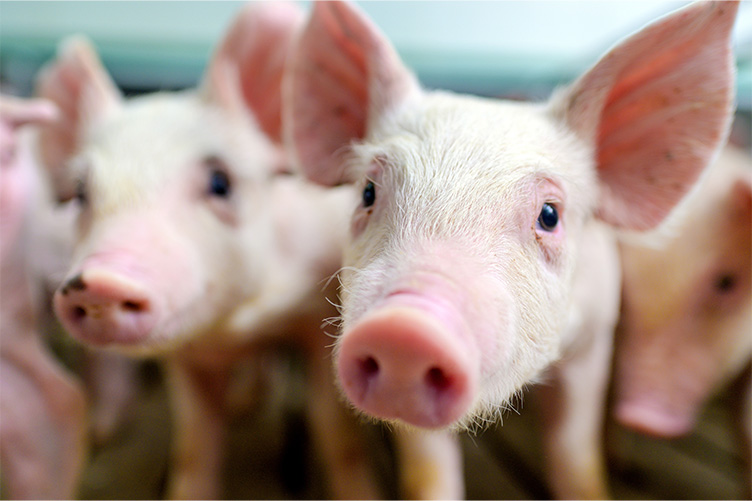
Thinking about raising pigs? Whether you’re starting a small homestead, adding livestock to your family farm, or simply looking for a new agricultural adventure, pigs can be a rewarding and surprisingly fun addition to your life. They’re intelligent, social animals with unique personalities—and with the right preparation, they can thrive in your care.
At The Cheshire Horse, we know that starting with any new animal can feel overwhelming. From feed choices to fencing questions, there’s a lot to learn. Here’s a beginner-friendly guide to help you confidently get started with pigs.
Why Raise Pigs?
Pigs are popular for many reasons. Some families raise them for meat production, while others keep miniature pigs or pot-bellied pigs as companions. Farm pigs are often chosen for their efficient growth, while pet pigs are loved for their intelligence and strong bonds with humans.
Some benefits of raising pigs include:
- Fast growth rates
- High feed efficiency
- Easy adaptation to small farms
- Friendly and social behavior
- Valuable manure for composting and gardens
No matter your reason, pigs require thoughtful care and planning from day one.
Choosing the Right Type of Pig
Before bringing pigs home, decide what kind best fits your goals.
Market Pigs
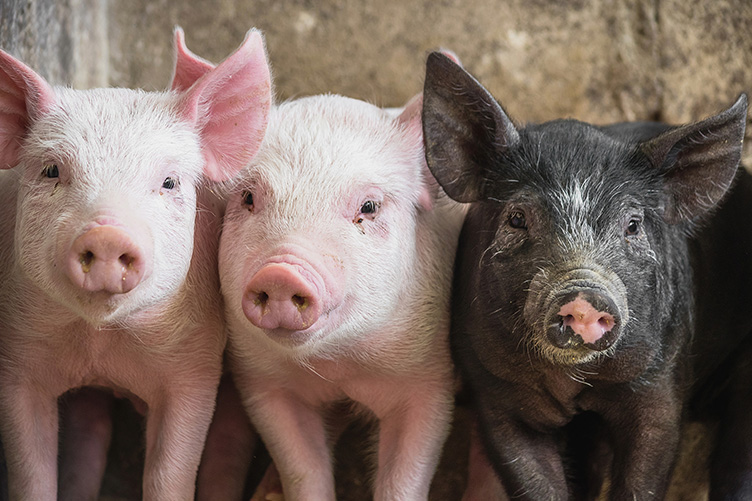
These are typically raised for pork production and include breeds like Yorkshire, Hampshire, Berkshire, and Duroc. They grow quickly and require proper nutrition to stay healthy and productive.
Mini or Pot-Bellied Pigs
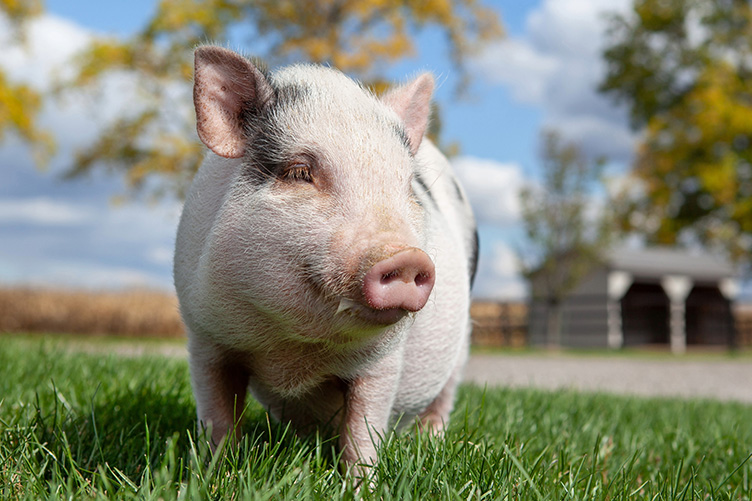
These pigs are often kept as pets and stay smaller than traditional farm pigs, though they still require plenty of care, space, and commitment.
Heritage Breeds
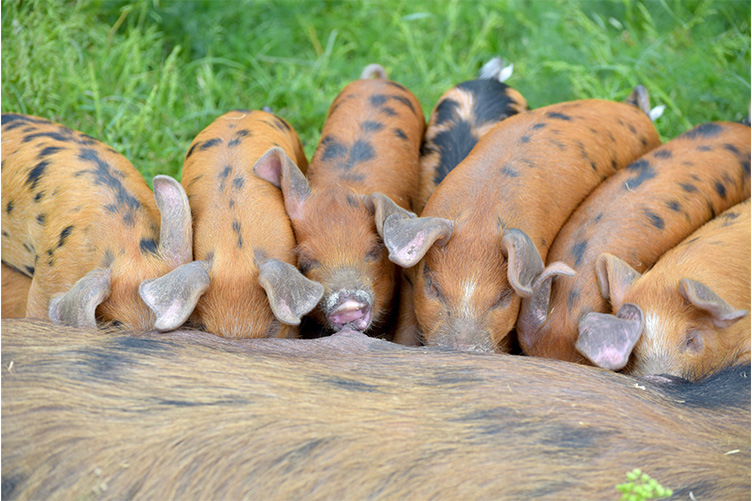
Breeds like Gloucestershire Old Spot or Large Black are often chosen for sustainable farming and breeding programs. They may grow more slowly but offer excellent temperament and hardiness.
Research breed temperament, size, feeding needs, and local zoning laws before making your decision. You can also check out our list of endangered pig breeds.
Setting Up Safe Housing
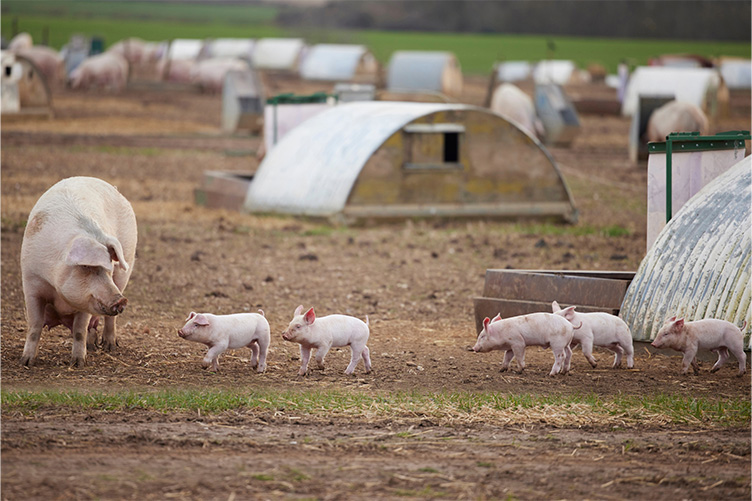
Pigs need shelter that protects them from harsh weather, predators, and excessive heat.
A good pig shelter should include:
- Dry bedding such as straw or shavings
- Shade from summer sun
- Wind protection during winter
- Proper ventilation
- Strong fencing
Pigs are powerful and curious, so fencing must be secure. Woven wire fencing, hog panels, or electric fencing are common choices. Weak fencing usually means escaped pigs—and pigs are very good at finding weaknesses.
Feeding Your Pigs
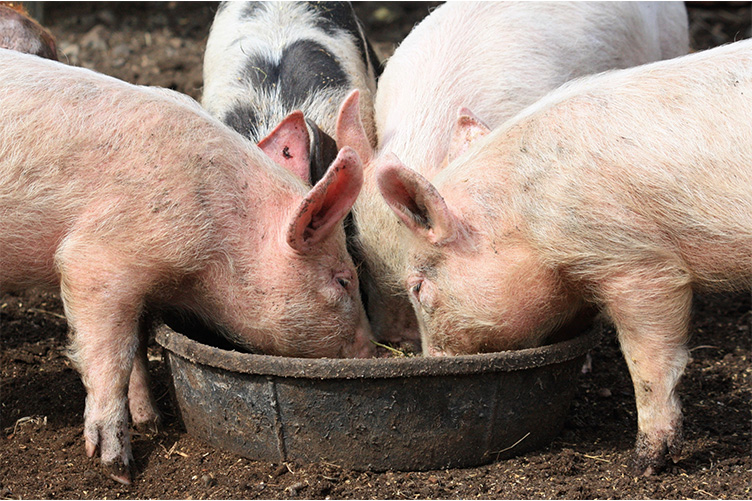
Nutrition is one of the most important parts of pig care.
Pigs need balanced feed designed specifically for their age and purpose. Pig starter, grower, and finisher feeds all serve different stages of development. Talk to your veterinarian to see if your pigs would benefit from mineral supplementation.
Avoid relying only on kitchen scraps. While pigs can eat certain fruits and vegetables, they still need complete nutrition from formulated feed.
Overfeeding can lead to health issues, especially in pet pigs, so portion control matters.
Health and Wellness
Healthy pigs are active, alert, and curious.
Watch for signs of illness such as:
- Loss of appetite
- Coughing or labored breathing
- Lameness
- Skin irritation
- Diarrhea
- Lethargy
Regular veterinary care is important, especially for vaccinations, parasite prevention, and general health checks.
Hoof care and proper weight management are also important, particularly for pet pigs and breeding animals.
Social Needs Matter
Pigs are highly social animals and generally do better with companionship. If possible, many owners choose to keep at least two pigs together.
They also benefit from enrichment such as rooting areas, toys and balls, and mud wallows for cooling. Bored pigs can become destructive, so mental stimulation is just as important as physical care.
Seasonal Care Tips
Summer
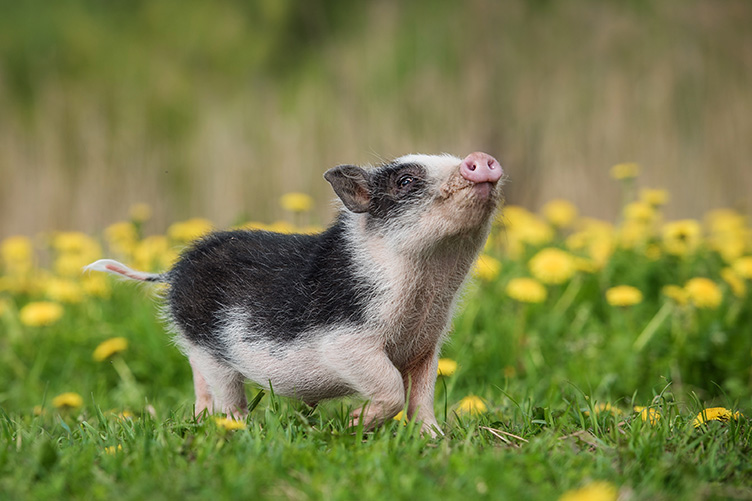
Pigs do not sweat like humans do, so overheating is a serious concern.
Provide:
- Shade
- Plenty of water
- Mud wallows
- Cooling areas
Winter
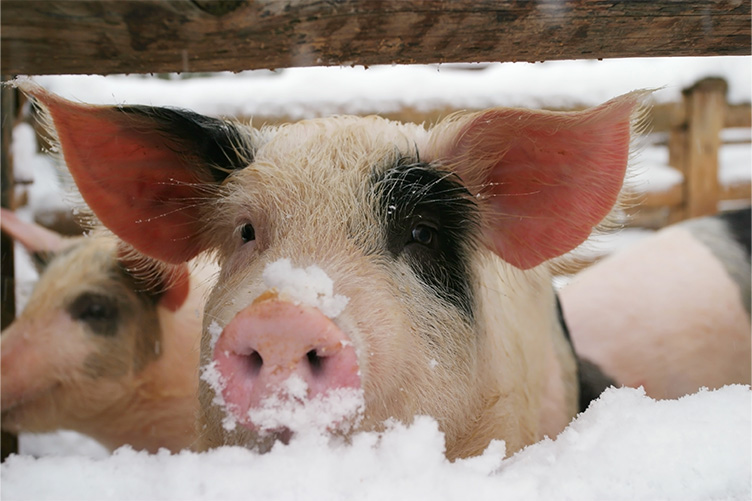
Cold weather means extra bedding, dry shelter, and protection from drafts. Young piglets especially need warmth and close monitoring.
Common Beginner Mistakes
Starting strong means avoiding these frequent mistakes:
Underestimating Their Size
Even “small” pigs can become much larger than expected.
Weak Fencing
If your fencing isn’t strong, your pigs will test it.
Improper Feeding
Too many scraps and not enough balanced nutrition can cause major health problems.
Not Planning for Long-Term Care
Pigs are a commitment, not a quick project. Always plan for veterinary care, feed costs, and future housing needs.
Final Thoughts
Raising pigs can be an incredibly rewarding experience. They’re smart, entertaining, and valuable additions to farms both large and small. Success starts with good preparation, strong housing, proper nutrition, and a willingness to learn.
At The Cheshire Horse, we’re here to help you care for every animal in your barnyard, from horses and chickens to goats and pigs. Whether you need feed recommendations, fencing advice, or supplies for your growing farm, our team is always happy to help.
Thinking about getting started with pigs? Stop by and let’s talk about what you’ll need to set your new pigs up for success.
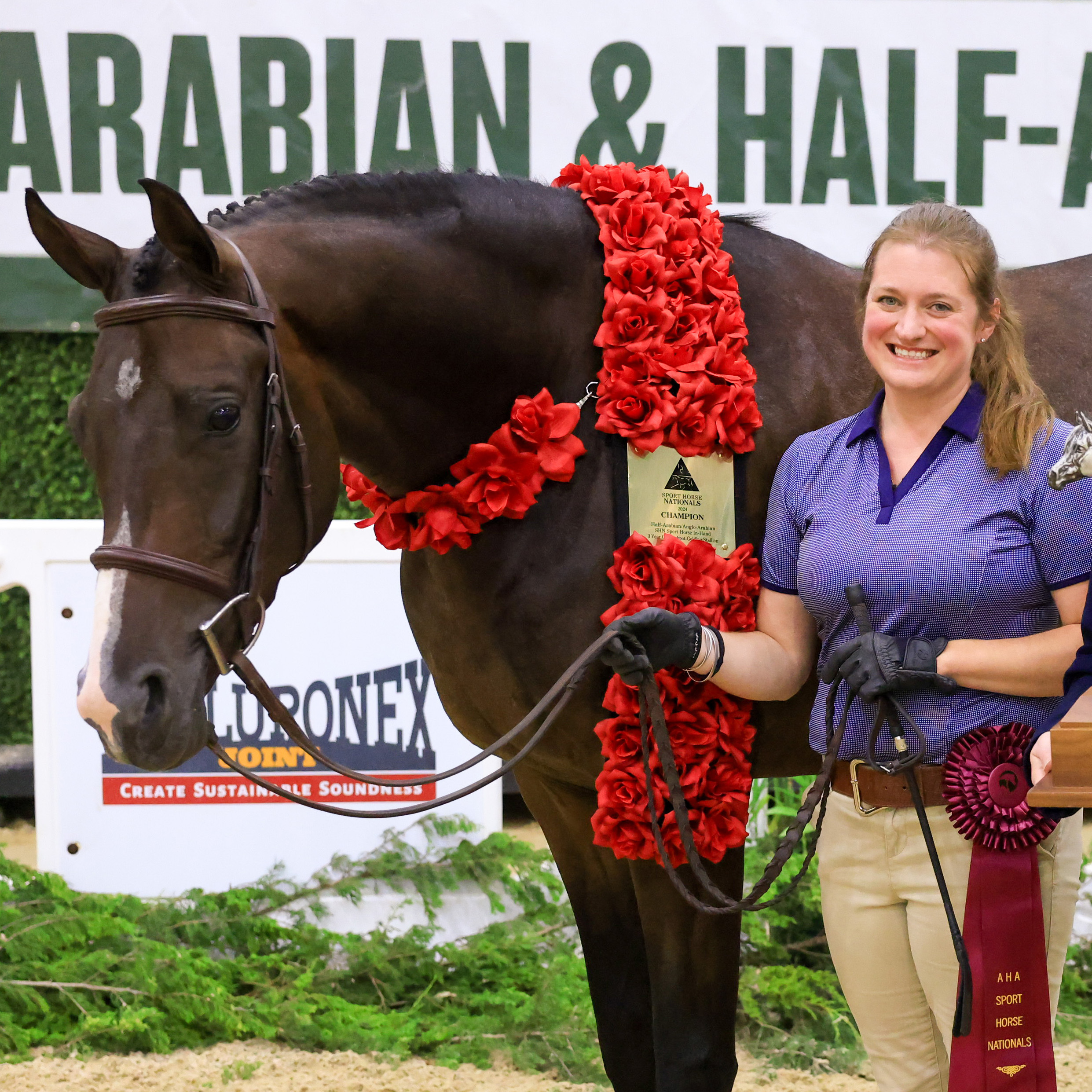
Jennifer Keating is an equestrian and the e-commerce copywriter for The Cheshire Horse. She’s been competing on the hunter/jumper and Arabian circuits for years and has earned nearly 20 national championship titles along the way. She’s still actively showing while also writing about the products and gear she knows from real experience in the barn and the ring.