
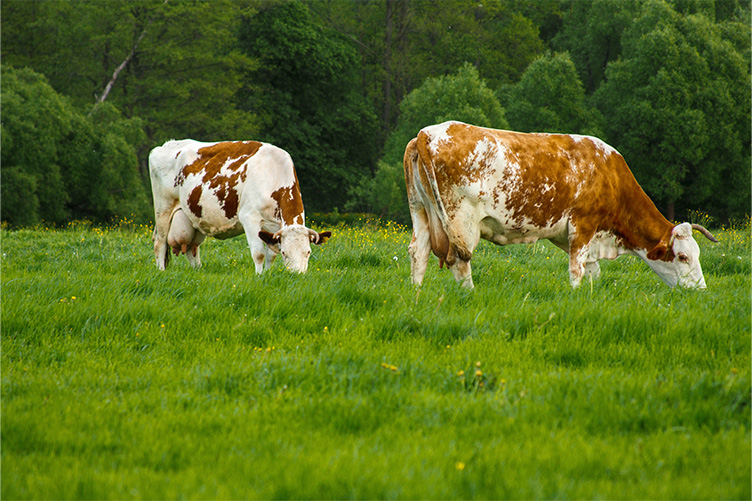
At a glance, a cow is a cow. But in agriculture, cattle are bred with very specific goals in mind, and over time, this has created two distinct types: beef cattle and dairy cattle. The difference isn’t just about what they produce—it shows up in how they look, how they’re managed, and what their bodies are built to do.
Two Different Jobs
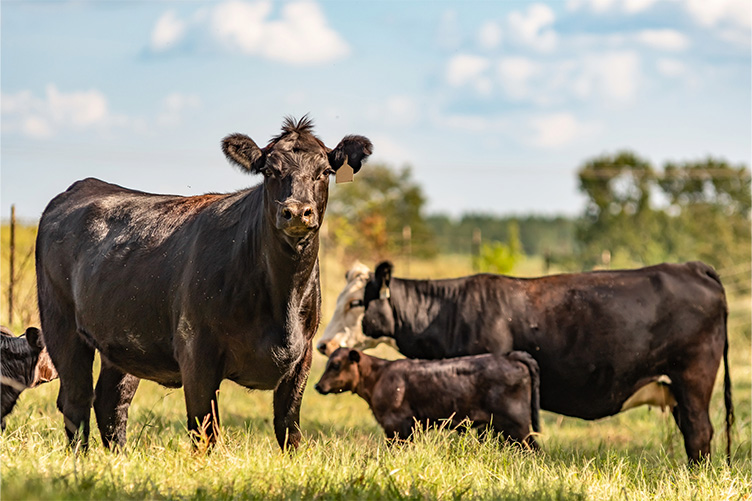
Beef cattle are raised for meat. Everything about them is geared toward building muscle efficiently and growing to a good market weight.
Dairy cattle, on the other hand, are bred to produce milk, lots of it, over long periods of time. Their energy goes into milk production rather than muscle.
That one difference shapes almost everything else.
How They Look
If you put a beef cow and a dairy cow side by side, the contrast is pretty clear.
Beef cattle tend to be stocky and compact. They’re wider through the shoulders and hindquarters, with a lot of muscle and a generally “solid” appearance. Breeds like Angus, Hereford, and Charolais are good examples; you can almost see where the meat is.
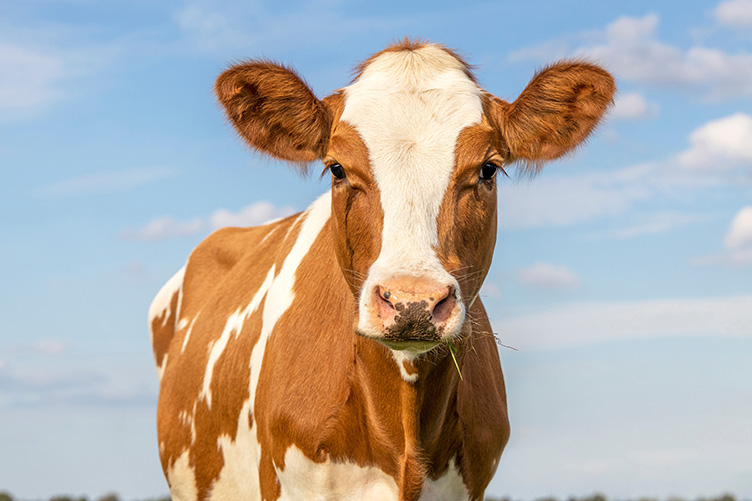
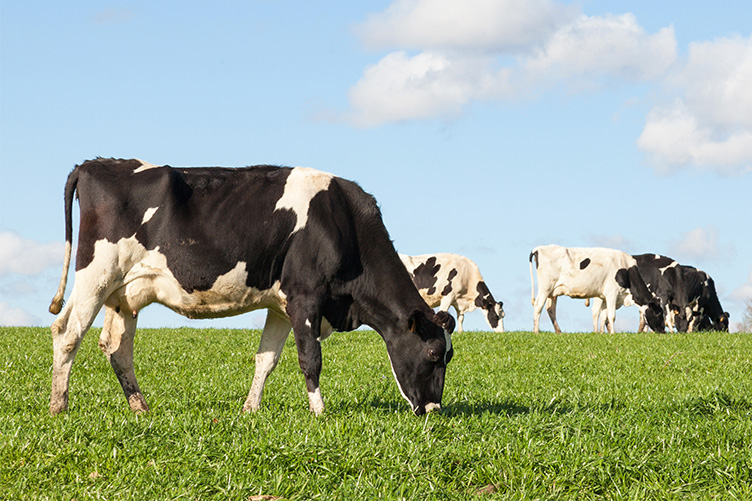
Dairy cows look much leaner. They’re taller, more angular, and you’ll often notice their ribs and hips more easily. Their bodies are built to convert feed into milk, not muscle. Holsteins (the classic black-and-white cows), Jerseys, and Brown Swiss all fit this type. Their udders are also much more developed, since milk production is the priority.
How They’re Raised
The day-to-day life of a beef cow and a dairy cow is pretty different.
Beef cattle are often raised on pasture, grazing for much of their lives. The goal is steady growth. Calves usually stay with their mothers early on, and the management style tends to be less hands-on compared to dairy operations.
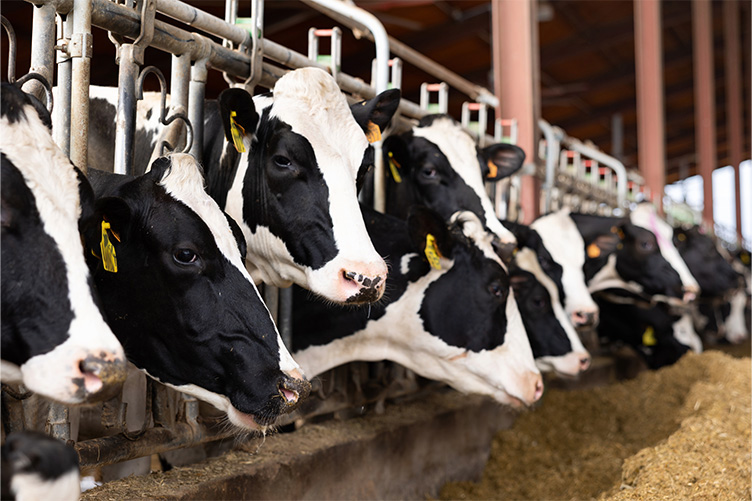
Dairy cows are part of a much more structured routine. They’re milked daily (usually two or three times), and their diet is carefully managed to support consistent milk production. Because of that, they’re handled more often and are generally more accustomed to human interaction.
Breeds and What They’re Known For
Certain breeds have become closely associated with each type of production.
For beef, Angus is probably the most recognizable, especially for its marbling and meat quality. Herefords are known for being hardy and easy to manage, while Charolais are larger-framed and grow quickly.
On the dairy side, Holsteins dominate because of their high milk output. Jerseys are smaller but produce richer milk with higher butterfat, which is great for products like cheese and butter. Brown Swiss are known for their durability and steady production.
Can a Cow Be Both?
There are some breeds that fall in the middle, often called dual-purpose cattle. Breeds like Simmental or Dexter can be used for both milk and meat, especially on smaller farms.
That said, they don’t usually match the production levels of specialized breeds. A dairy cow will outproduce them in milk, and a beef cow will outperform them in muscle and growth.
Why It Matters
Understanding the difference between beef and dairy cattle gives you a better sense of how agriculture actually works. These animals may look similar, but they’ve been shaped over generations to do very different jobs.
It also explains why management, feeding, and even temperament can vary so much between farms. A dairy operation and a beef farm might both raise cattle, but the day-to-day reality can be completely different.

Jennifer Keating is an equestrian and the e-commerce copywriter for The Cheshire Horse. She’s been competing on the hunter/jumper and Arabian circuits for years and has earned nearly 20 national championship titles along the way. She’s still actively showing while also writing about the products and gear she knows from real experience in the barn and the ring.