
 Flies are more than just a summertime nuisance for horses. These buzzing insects can transmit a variety of serious diseases that can impact your horse’s health. This blog post will equip you with the knowledge to keep your equine partner safe. We’ll explore the different types of flies that threaten horses, the diseases they carry, and, most importantly, effective strategies to create a fly-free haven for your horse. By implementing a comprehensive fly control program, you can significantly reduce the risk of fly-borne diseases and ensure your horse enjoys a healthy and happy life.
Fly-Borne Troublemakers: Meet the Culprits
 Flies come in various shapes and sizes, and different species play a role in transmitting diseases to horses. Here are some of the key offenders:
Horseflies and Deerflies: These large, aggressive flies are notorious for their painful bites. But beyond the irritation, they can transmit a serious illness called Equine Infectious Anemia (EIA), also known as swamp fever.
Stable Flies: These persistent flies bite repeatedly, leaving horses restless and irritated. They can also be vectors for Ulcerative Lymphangitis, a bacterial infection that causes painful swelling of the limbs.
Houseflies: While seemingly harmless, houseflies can play a role in the spread of Habronemiasis, often referred to as “summer sores.” These are open wounds that develop when fly larvae burrow into the horse’s skin.
Face Flies: These flies, attracted to a horse’s eyes and nostrils, can mechanically transmit certain viruses like equine influenza and rhinopneumonitis. While not technically fly-borne, their presence can contribute to the spread of these respiratory illnesses.
Biting Midges (Culicoides): These tiny flies are often referred to as “no-see-ums” due to their small size. They can transmit Vesicular Stomatitis (VS), a viral disease that causes painful blisters on a horse’s lips, tongue, and other areas.
Mosquitoes: These blood-sucking insects can transmit West Nile Virus (WNV) and Eastern Equine Encephalitis (EEE) to horses. Both WNV and EEE are mosquito-borne viral diseases that can cause neurological problems in horses.
Understanding the Diseases: A Closer Look
Now that we know the fly foes, let’s look deeper into the diseases they carry:
Equine Infectious Anemia (EIA): This potentially fatal viral disease weakens a horse’s immune system. Symptoms include fever, weakness, weight loss, and anemia. Infected horses become lifelong carriers, posing a threat to other horses. There is no cure, so prevention through testing and biosecurity measures is crucial.
Ulcerative Lymphangitis: This bacterial infection causes painful swelling of the limbs, often starting near wounds or scratches. While not always fatal, it can be debilitating and requires veterinary treatment. Flies can spread the bacteria by coming into contact with infected wounds and then landing on healthy horses.
Habronemiasis (Summer Sores): These open, granulating wounds are caused by the larvae of parasites deposited by flies around wounds or moist areas on the horse’s body. The sores are painful and slow to heal without proper treatment.
Equine Influenza and Rhinopneumonitis: While primarily spread through airborne droplets, face flies can contribute to the transmission of these respiratory illnesses by carrying the virus between horses. These diseases cause fever, coughing, and respiratory distress.
Vesicular Stomatitis (VS): This viral disease causes painful blisters on the lips, tongue, nostrils, muzzle, ears, teats, sheath, and/or coronary bands of infected horses. The blisters rupture and leave raw sores that can be quite uncomfortable for the horse. VS is spread primarily by biting midges, but other flies may also play a role in transmission.
West Nile Virus (WNV): Transmitted by mosquitos, WNV can cause neurological problems in horses. Symptoms may include fever, muscle weakness, incoordination, and seizures. Vaccination is the primary way to prevent WNV in horses.
Eastern Equine Encephalitis (EEE): This mosquito-borne viral disease is similar to WNV but can be more severe. Symptoms of EEE can include fever, weakness, ataxia (incoordination), seizures, and coma. Vaccination is the primary way to prevent EEE in horses.
Pigeon Fever (Equine Piroplasmosis): This bacterial disease affects red blood cells and can cause weakness, fever, anemia, and lethargy. Stable flies and houseflies can pick up the bacteria while feeding on an infected horse and then transmit it to healthy horses when they feed again. Vaccination is available to help prevent Pigeon Fever.
Potomac Horse Fever (PHF): This bacterial disease causes fever, lethargy, diarrhea, colic, and laminitis (inflammation of the hoof) in horses. The exact mode of transmission for PHF is not fully understood, but some researchers believe that flies may be involved.
Tularemia: This bacterial disease can be transmitted by ticks, deer flies, and possibly even some species of flies. Symptoms of tularemia in horses can include fever, lethargy, loss of appetite, weight loss, and abortion in pregnant mares. While not as common as some of the other diseases on this list, tularemia can be serious and requires prompt veterinary treatment.
Symptoms of Fly-Borne Disease
Early detection is crucial for successful treatment of fly-borne diseases. Here are some common signs that your horse might be suffering from a fly-borne illness:
Fever
Lethargy and weakness
Loss of appetite
Weight loss
Swelling of the limbs
Skin lesions or sores
Difficulty breathing (in some cases)
If you notice any of these symptoms in your horse, it’s essential to contact your veterinarian immediately for proper diagnosis and treatment.
Fighting Back: Effective Fly Control Strategies

The best defense against fly-borne diseases is a good offense – a comprehensive fly control program. Here are some key strategies to keep your horse fly-free:
Manure Removal: Flies are drawn to manure piles. Regularly removing manure from stalls, paddocks, and pastures is crucial.
Stable Hygiene: Maintain clean and well-ventilated stables. This includes sweeping up spilled feed, hay, and other debris that can attract flies.
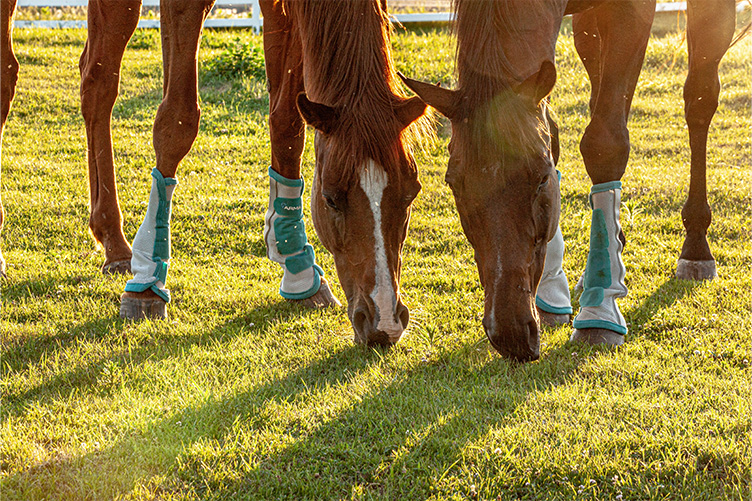
Fly Traps and Repellents: Utilize fly traps and horse-safe fly repellents to target adult flies. Consider using fly sheets or fly masks for your horse during peak fly season.
Integrated Pest Management (IPM): Implement an IPM program that combines fly predators as a pest control method for a more sustainable and effective approach. Learn more about fly predators, what they are, and how they work.
Vaccination and Biosecurity: Additional Measures for Protection
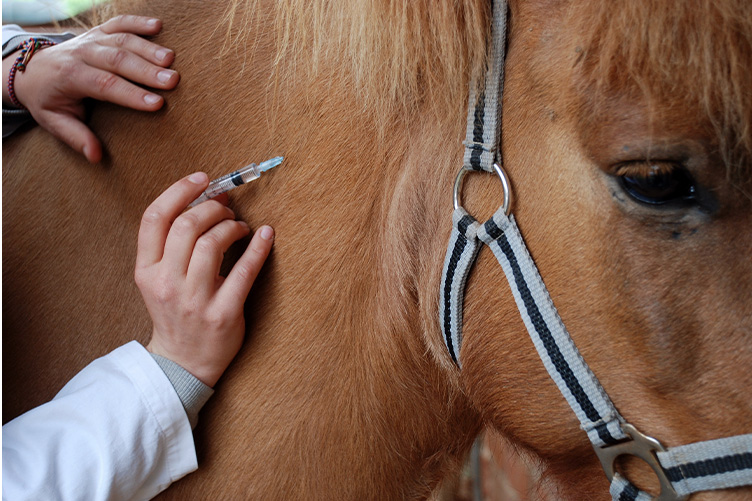
While fly control is essential, vaccination can offer an extra layer of protection against specific fly-borne diseases. Talk to your veterinarian about which vaccinations are recommended for your horse based on your location and the prevalence of certain diseases.
Biosecurity measures, such as quarantining new horses and practicing good hygiene during handling, can also help prevent the introduction of fly-borne pathogens into your horse’s environment.
By implementing a comprehensive fly control program that combines sanitation, fly repellents, and vaccination, you can significantly reduce the risk of fly-borne diseases in your horse. Remember, prevention is always better than cure. By taking proactive steps, you can ensure your horse enjoys a healthy and fly-free life.
This blog post provides general information and should not be a substitute for professional veterinary advice. Always consult your veterinarian for diagnosis and treatment of any equine health concerns.
