
 Summer sun can be a double-edged sword for horses. While a bit of sunshine provides essential vitamin D and promotes a healthy coat, too much sun exposure can lead to sunburn, skin cancer, and eye problems. Luckily, there are several ways to keep your horse cool and comfortable during the hotter months.
Understanding the Risks of Sun Exposure
Horses with light-colored coats, pink skin, or exposed skin on their muzzle, ears, and flanks are more susceptible to sunburn. Sunburn can cause pain, irritation, and peeling, and in severe cases, it can lead to infection. Long-term sun exposure can also contribute to the development of equine squamous cell carcinoma (EqSCC), an aggressive form of skin cancer that most commonly affects gray horses.
Here are some signs to watch out for that may indicate your horse is getting too much sun:
- Redness or swelling of the exposed skin
- Blistering or peeling
- Head shaking or squinting
- Lethargy
Sun Bleaching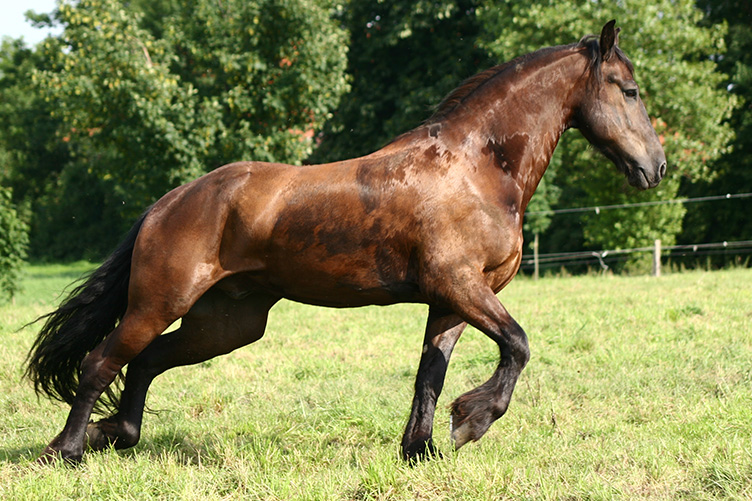
Sun exposure can also lighten your horse’s coat color through a process called sun bleaching. This is particularly noticeable in colored coats like chestnuts, bays, and seal browns. Here are some additional tips to consider:
- Sun bleaching affects exposed areas: The muzzle, flanks, and back are more prone to sun bleaching because they receive the most direct sunlight and sweat exposure.
- Diet can also play a role: A lack of copper or zinc in your horse’s diet can sometimes mimic the lightening effects of sun bleaching. If you suspect a nutritional deficiency, consult your veterinarian for a proper diagnosis and dietary adjustments.
While sun bleaching is generally a cosmetic concern, it’s important to remember that sun protection is still crucial to prevent sunburn and other sun-related health problems… so utilize these tips to keep your horse shiny, colorful, and protected.
Shade is Your Friend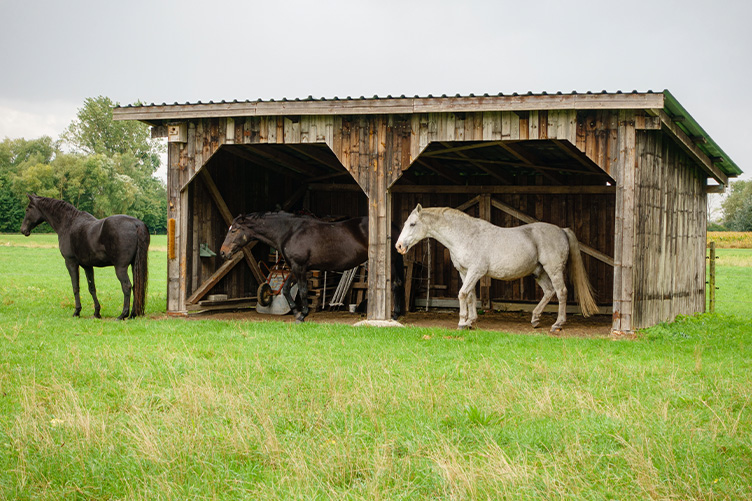
The most effective way to protect your horse from the sun is to provide ample shade. During the hottest part of the day (typically between 10:00 a.m. and 4:00 p.m.), make sure your horse has access to a shaded area, such as a run-in shed, paddock with trees, or a shade sail. If possible, rotate shady areas throughout the day to ensure your horse has access to cool relief throughout the sun’s peak hours.
Taking Advantage of Early Mornings and Evenings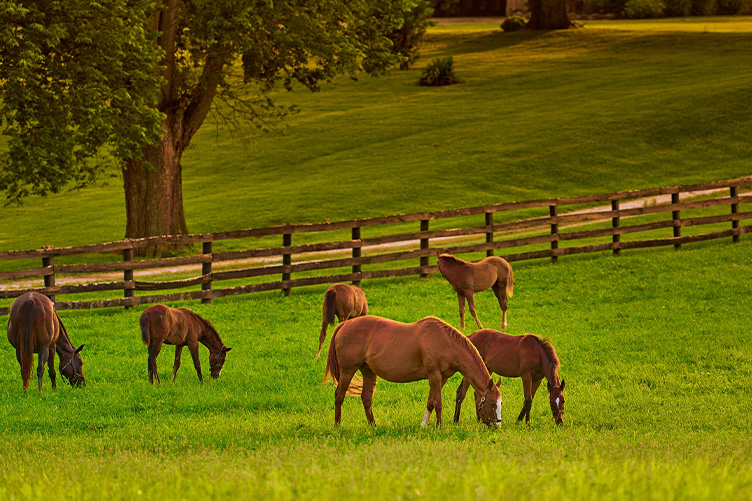
When possible, schedule turnout and strenuous exercise sessions for cooler mornings or evenings (even consider overnight turnout!). This will help your horse avoid the heat of the day with the strongest UV rays and reduce the risk of sunburn and overheating.
Utilizing Sun Protection Gear
There are various equine-specific sun protection products available to provide additional coverage for your horse. Here’s a rundown of some popular options:

- Fly Sheets: These lightweight mesh sheets come in a variety of sizes and styles and offer UV protection while keeping flies and other pesky insects at bay. Look for fly sheets with a high UPF rating (Ultraviolet Protection Factor) for maximum sun protection.

- Fly Masks: Fly masks with mesh covers protect your horse’s eyes from sun glare and irritants while also offering some UV protection for the delicate skin around the eyes. Look for masks with a fine mesh that allows for good airflow and doesn’t obstruct your horse’s vision.
- Equine Sunscreen: Sunscreen formulated specifically for horses is available for targeted protection. These are typically applied to areas like the muzzle, nose, ears, flanks, and groin. Sunscreen needs to be reapplied frequently, especially after sweating or water exposure. Avoid using human sunscreen on horses, as some ingredients can be toxic. Reapply sunscreen according to the manufacturer’s instructions. Healthy HairCare Sunflower Suncoat SPF R-T-U Spray is a popular option.
Important Note: Always consult with your veterinarian before using any sunscreen product on your horse, especially if your horse has any skin sensitivities.
Promoting a Healthy Coat
A healthy diet is essential for maintaining a shiny, vibrant coat year-round… but especially during the summertime when the sun is beating down on your horse. Here’s how to nourish your horse from the inside out:
- High-Quality Hay: Grass hay forms the foundation of a healthy equine diet and provides essential nutrients for coat health. Look for hay that is green, dust-free, and has a pleasant smell.
- Grains and Concentrates: Grains and concentrates can provide additional protein, vitamins, and minerals that may be lacking in hay. Consult with an equine nutritionist to create a balanced diet that meets your horse’s individual needs.
- Omega-3 Fatty Acids: Supplementation with omega-3 fatty acids, like those found in flax seeds, can promote a healthy coat and skin. Omega-3s have anti-inflammatory properties and can help keep your horse’s coat shiny and smooth.
Remember: Always consult your veterinarian before introducing any new supplements to your horse’s diet.
Keeping Cool with Water and Electrolytes
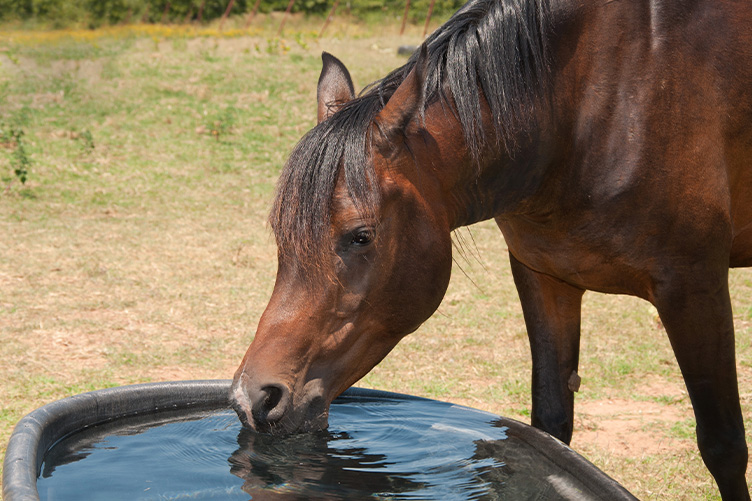
Hydration is key to regulating your horse’s body temperature during hot weather. Ensure your horse has access to fresh, clean water at all times. You may also consider adding electrolytes to your horse’s water to replenish essential minerals lost through sweating.
By implementing these sun protection strategies, you can ensure your horse stays cool, comfortable, and healthy throughout the summer months. Remember, keeping your horse out of the midday sun is the most important step. With a little planning and the right gear, you can help your horse enjoy the sunshine safely.
