
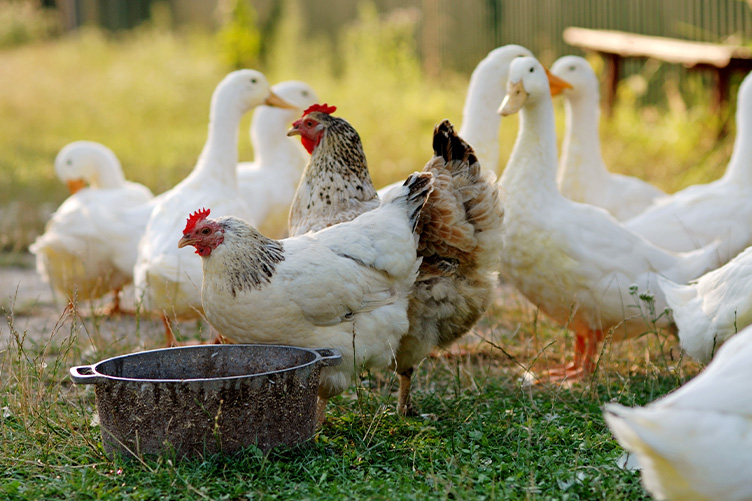
For many homesteaders, the dream is a bustling coop filled with a variety of feathered friends. Chickens provide a steady stream of fresh eggs, ducks add a touch of elegance with their waddling gait and playful splashes, and geese offer not only weed control but also a watchful eye over the farmyard. But can these seemingly disparate birds truly coexist peacefully? The answer is yes, with careful planning and an understanding of their individual needs.
Considering the Coop
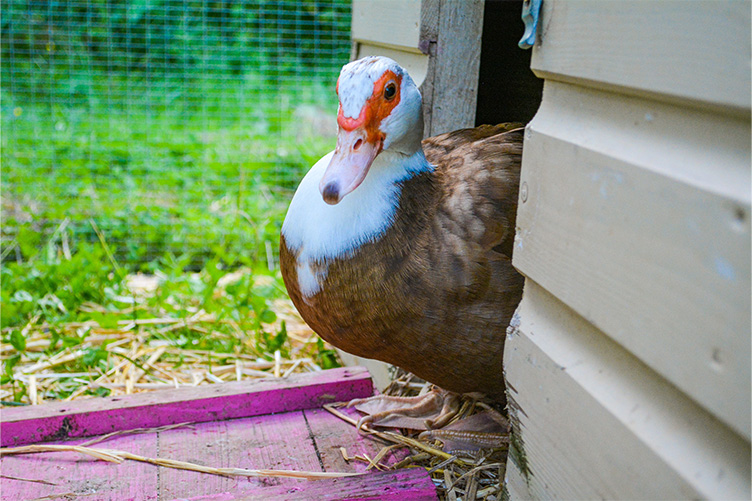
While keeping ducks, chickens, and geese together in a single coop is possible, it’s not for the faint of heart. Here’s why separate housing might be preferable:
Water Woes: Ducks love a good splash, and their penchant for creating mud can be a nightmare for chickens, who prefer dry bedding. A separate coop allows you to create designated wet and dry areas.
Dietary Disagreements: Chickens and waterfowl have different dietary needs. Geese, for example, are grazers, while ducks and chickens benefit from a balanced feed. Separate housing makes it easier to ensure each species gets the right food.
Space Squabbles: Geese, especially larger breeds, can be quite territorial. A smaller coop can lead to overcrowding and bullying of the chickens.
However, if you’re set on a multi-species coop, here are some adjustments to make it work:
Ample Square Footage: Provide at least 10 square feet per chicken, 15 square feet per duck, and 20-25 square feet per goose. This ensures ample room for everyone to spread out.
Dual-Level Coop: Create a raised platform for the chickens to roost on, away from the damp bedding preferred by ducks.
Separate Feeders and Waterers: This ensures each species gets the appropriate food and prevents competition.
Plenty of Ventilation: Extra moisture from ducks necessitates good air circulation to prevent respiratory issues.
The Great Outdoors: A Shared Playground
Even if housed separately, ducks, chickens, and geese can enjoy a shared outdoor space. Here’s what to consider:
Fenced-in Paradise: A secure fence keeps your feathered friends safe from predators and allows them to roam freely.
A Splash Zone: Ducks and geese will appreciate a kiddie pool, pond, or other shallow water feature to cool off and preen. Chickens, however, should have access to dry areas.
Grassy Greens: A spacious grassy area allows geese to graze and provides a natural foraging space for all the birds.
Separate Nesting Boxes: Chickens prefer laying boxes high off the ground, while ducks and geese are content with nesting boxes on the floor or slightly raised platforms.
Keeping the Peace
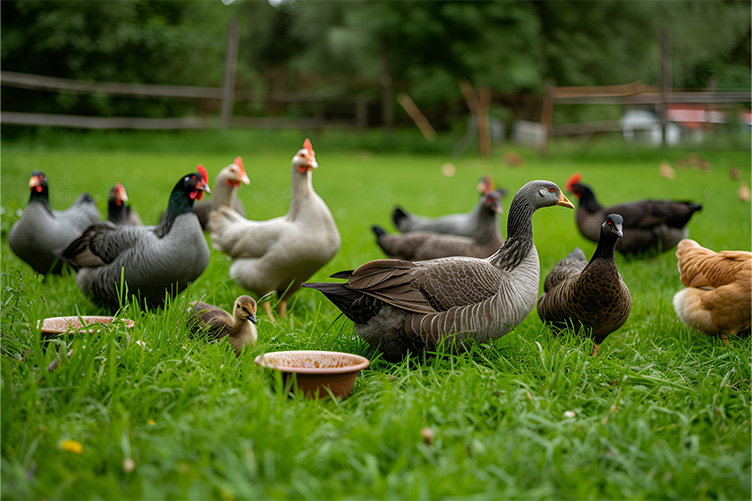
Start Young: Introducing ducklings, goslings, and chicks together from a young age helps them establish a pecking order and become accustomed to each other.
Supervision is Key: Especially during the initial integration period, monitor the flock for signs of aggression and intervene if necessary.
More Females, Less Drama: Having a majority of females in each species can help minimize territorial disputes that often arise with males.
The Benefits of a Blended Flock
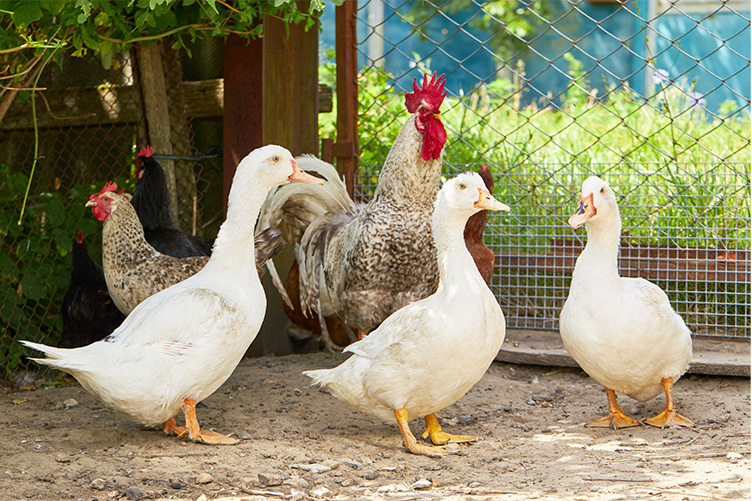
While there’s extra work involved, raising ducks, chickens, and geese together offers several advantages:
Weed Control: Geese are natural weed-whackers, keeping your pastures tidy.
Pest Patrol: Chickens love to scratch and peck, helping control insect populations. Ducks are also adept at insect removal.
Diversity is Key: A multi-species flock provides a variety of products, from eggs and meat to feathers (great for composting!).
Entertainment Value: There’s nothing quite as delightful as watching these quirky birds interact in their own unique way.
Raising ducks, chickens, and geese together can be a rewarding experience, but it requires planning, dedication, and an understanding of their individual needs. By providing separate housing (or carefully modified shared housing) and a spacious, shared outdoor area, you can create a harmonious haven for your feathered friends. Remember, a happy flock is a productive flock, so put in the effort, and watch your barnyard come alive with the delightful symphony of clucks, quacks, and honks!
