
 The Mustang, a symbol of the American West, embodies the spirit of freedom with its wild nature and enduring resilience. But these majestic creatures are more than just a romantic image; they boast a unique history, diverse characteristics, and a surprising range of potential abilities both in-hand and under saddle. Let’s delve deeper into the world of the Mustang, exploring their fascinating past, distinct qualities, and the various ways they can contribute to our lives.
A Legacy Rooted in Exploration and Independence
The Mustang’s origin story is intricately woven into the fabric of American exploration and expansion. Spanish horses, brought by conquistadors in the 16th century, formed the foundation of the Mustang bloodline. Over time, these horses escaped or were released, adapting to the harsh landscapes of the North American continent. The process of natural selection, combined with interbreeding with other escaped European breeds, resulted in a diverse and hardy population of wild horses.
A Tapestry of Traits

Mustangs are known for their versatile size, ranging from 13 to 15 hands tall, with a muscular build and a well-defined head. Their coat colors display a captivating variety, with common shades including bay, black, dun, and roan.
Beyond their physical characteristics, Mustangs possess a distinct temperament. While naturally alert and intelligent, they can also be independent and strong-willed. This inherent wildness requires experienced handling but can also translate into remarkable stamina and resilience.
Understanding the Mustang

Mustangs possess several strengths that make them valuable companions:
- Adaptability: Their ability to thrive in harsh environments and survive on minimal resources is unmatched.
- Athleticism: Mustangs exhibit impressive stamina, making them well-suited for endurance activities.
- Intelligence: Despite their initial wariness, Mustangs are capable of learning and forming strong bonds with dedicated equestrians.
However, it’s crucial to acknowledge their inherent wildness, which can manifest in several ways:
- Headstrong nature: Mustangs may require patient and experienced trainers to overcome their independent spirits.
- Flight instinct: Their survival instincts can lead to a tendency to spook easily in unfamiliar situations.
- Limited handling: Due to their wild upbringing, Mustangs may require more time and specialized training compared to domesticated breeds.
Finding the Perfect Match: Where Mustangs Excel
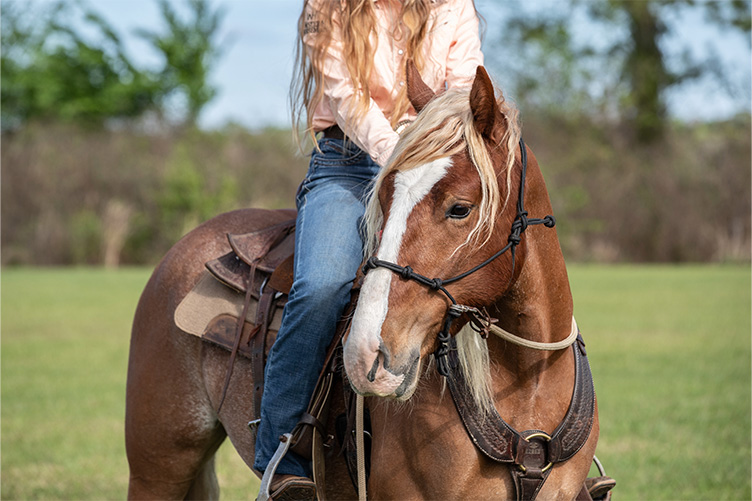
Despite their wild nature, Mustangs can be successfully trained and integrated into various activities:
- Ranching: Their hardiness and strength make them valuable partners for working cattle on expansive ranches.
- Trail Riding: Their surefootedness and stamina make them ideal companions for exploring challenging trails.
- Equine Therapy: Their gentle nature and ability to connect with humans can be beneficial in therapeutic settings.
Our Personal Connection to the Mustang
A Mustang recently became a part of The Cheshire Horse family! One of our sales associates, Peggy, had always dreamed of owning a Mustang… and this past spring, she took the leap to adoption.
The Bureau of Land Management (BLM) held an adoption event at the Cheshire Fairgrounds in Swanzey, New Hampshire, which made the adoption process easier for her as a Swanzey resident. After a week-long auction, Peggy learned that she was the highest bidder for a young two-year-old mare, Nevada. After the auction, Peggy waited an additional four months for her to be transported to the fairgrounds.
In order to bring the mare home, Peggy needed to have a pasture with six-foot fencing (preferably a round pen), to safeguard against escape. She added on to her barn with a reinforced stall where the mare would be able to see other horses. When Peggy got Nevada home, they needed to build a temporary chute to get the mare from the trailer to the paddock, where the mare would be kept until she was safe to handle.
Since the adoption, Peggy has been spending time with Nevada multiple times a day, sometimes simply reading or journaling from the mare’s pasture. Peggy reports that Nevada is nervous and shy, but has been getting more and more used to her presence. Over time, Nevada allowed Peggy to get closer to her and touch her… Peggy has been able to brush her, halter her, and even have a leadrope on her.
“The key had been to be patient and not have a timeline,” Peggy tells us. “The goal for me is to build a strong relationship with her from the very, very beginning.”
A Symbol and a Partner: The Future of the Mustang
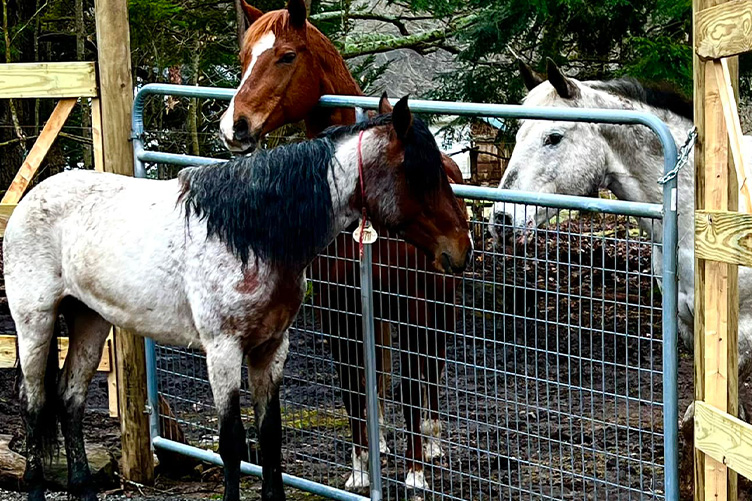
The Mustang is more than just a horse; it’s a living symbol of American independence, resilience, and the untamed spirit of the West. However, this very freedom that defines them is under threat. Habitat loss is a major challenge. Development for housing, agriculture, and energy has shrunk the vast grasslands that were once their domain.
Additionally, competition with livestock for grazing resources further restricts their access to food and water. Management practices, while necessary to control herd size and prevent overgrazing, can also be disruptive. Roundups, where mustangs are captured from the wild, can be stressful for the animals and disrupt social structures within herds. Finding a balance between protecting the ecosystem and maintaining healthy Mustang populations remains a complex issue. To learn more, we encourage you to visit the American Wild Horse Conservation (AWHC) website.
By understanding their unique history, characteristics, and potential, we can continue to appreciate these magnificent creatures and explore the diverse ways they can enrich our lives.
Remember, adopting a Mustang is a significant commitment. Thorough research, seeking guidance from experienced trainers, and providing specialized care are essential to ensuring a successful and rewarding partnership with these exceptional horses.

Hi, my name is Kristine Gulyas, I am interested in preserving this breed, but I live in Canada on 188 acres.