

Horses have been a companion to humanity for millennia, playing a vital role in transportation, agriculture, and warfare. However, many horse breeds that once roamed freely across the globe now face the threat of extinction. The Livestock Conservancy’s Conservation Priority List (CPL) identifies breeds of livestock at risk of disappearing forever, including several Critically Endangered Horse Breeds and Threatened Horse Breeds.
A Look at Critically Endangered Horses
The Livestock Conservancy classifies a horse breed as Critically Endangered when there are fewer than 200 annual registrations in the United States and an estimated global population of less than 2,000. These breeds face an imminent risk of disappearing forever. Here are some of the Critically Endangered Horse Breeds listed on the CPL:
- American Cream Horse:
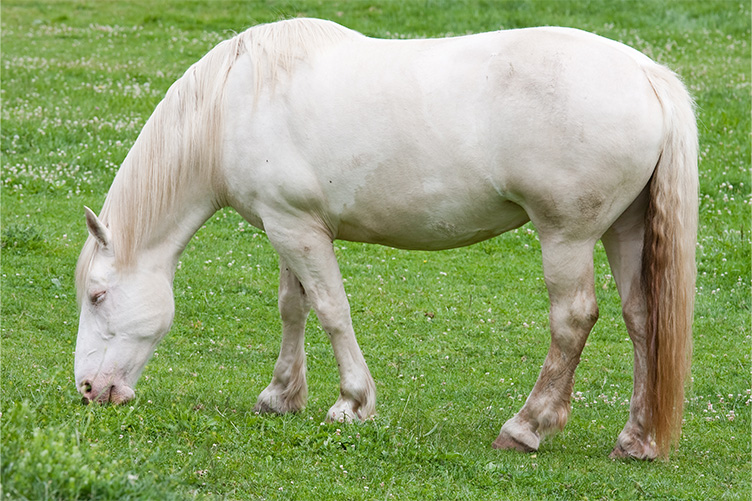 Known for its stunning coat of silver or gold, the American Cream Horse once served as a draft horse for farmers. Today, fewer than 200 breeding mares remain.
 - Banker Horse:
 Developed in the United States in the 19th century, the Banker Horse was prized for its calm temperament and versatility. However, the breed’s popularity declined with the rise of motorized vehicles, and its numbers dwindled.
 - Canadian Horse:
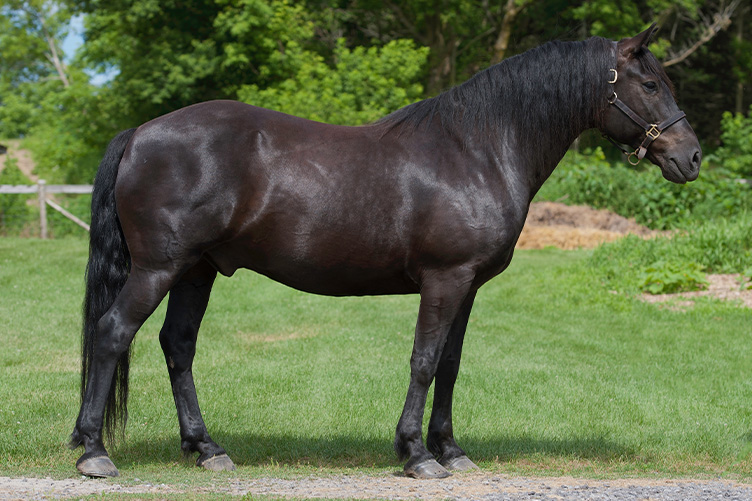 The Canadian Horse is a hardy and adaptable breed that was developed in Canada. Used for transportation and farm work, the Canadian Horse played a significant role in the country’s history. Today, the breed faces extinction.
 - Colonial Spanish Horse:
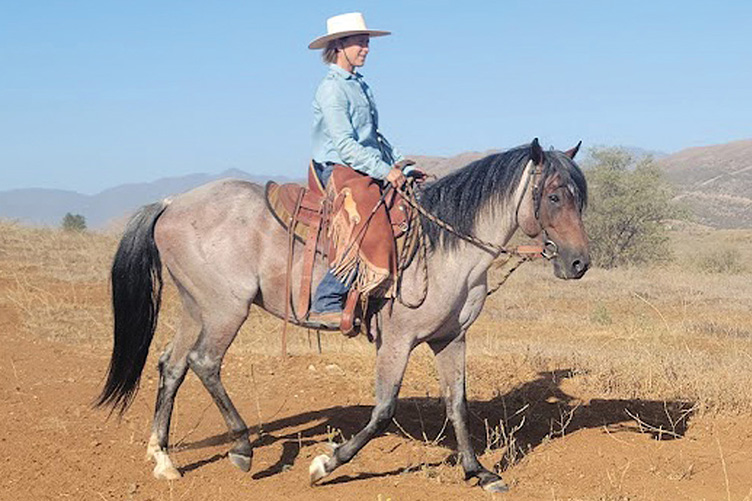 Descended from horses brought to the Americas by Spanish conquistadors, the Colonial Spanish Horse is known for its docility and athleticism. However, the breed’s numbers have declined significantly, with fewer than 100 breeding mares left.
 - Baca-Chica Horse:
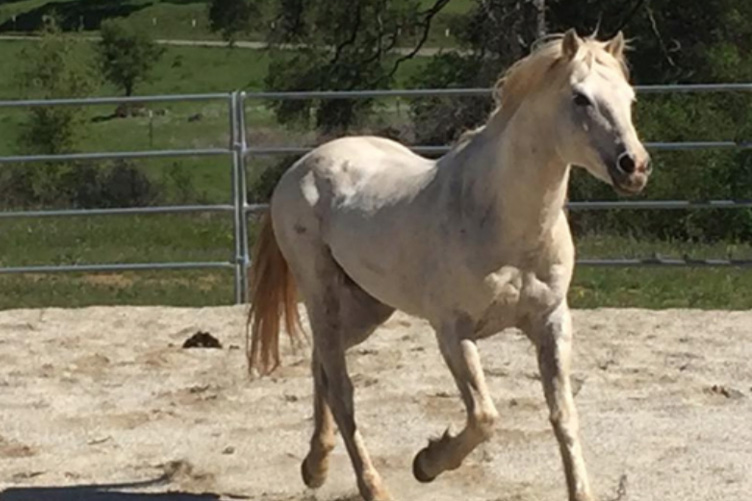 This rare breed originated in Mexico and is known for its small stature and gentle disposition. Used for ranch work and transportation, the Baca-Chica Horse is critically endangered, with only a handful of breeding mares remaining.
 - Choctaw Horse:
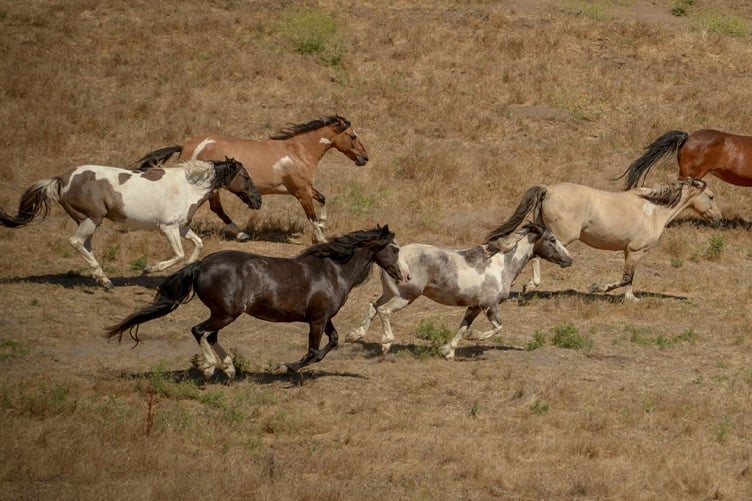 Developed by the Choctaw Native American tribe, the Choctaw Horse is a versatile breed known for its endurance and intelligence. Today, the Choctaw Horse is critically endangered.
 - Santa Cruz Horse:
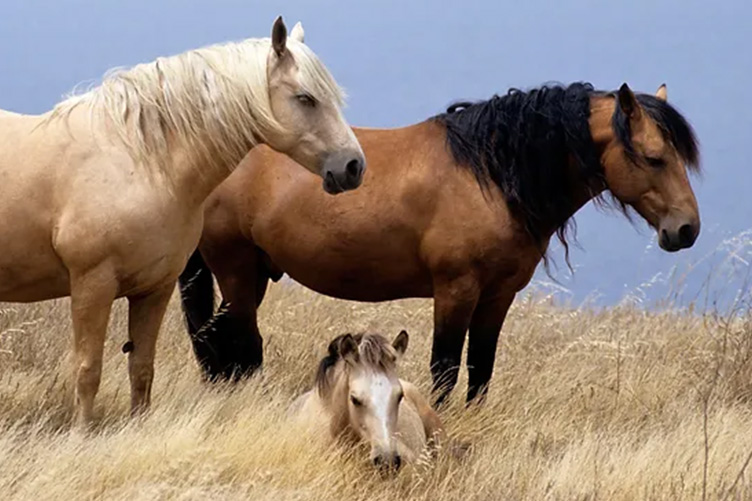 The Santa Cruz Horse is a critically endangered breed native to the island of Santa Cruz in the Galapagos Islands. These small, hardy horses are perfectly adapted to the island’s harsh environment. However, their numbers have dwindled due to habitat loss and predators being introduced.
 - Sulphur Horse:
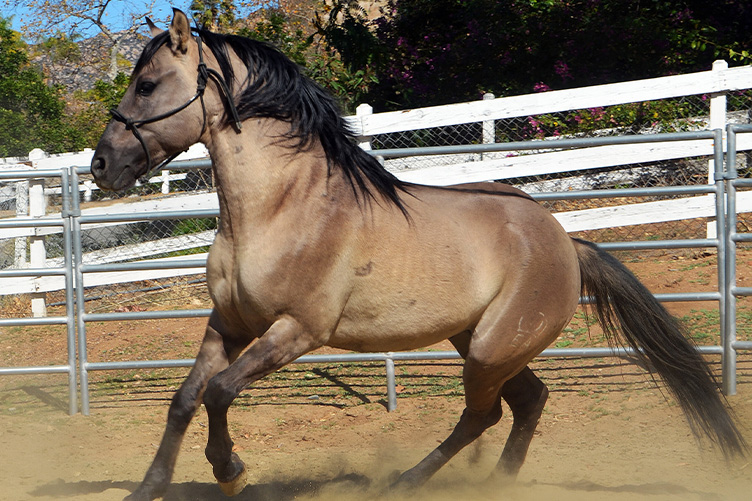 Originating from Kentucky, the Sulphur Horse is a rare breed known for its unique coat color, ranging from a light chestnut to a golden amber. Used for farm work and transportation, the Sulphur Horse is critically endangered, with only a handful of breeding mares remaining.
 - Wilbur-Cruce Horse:
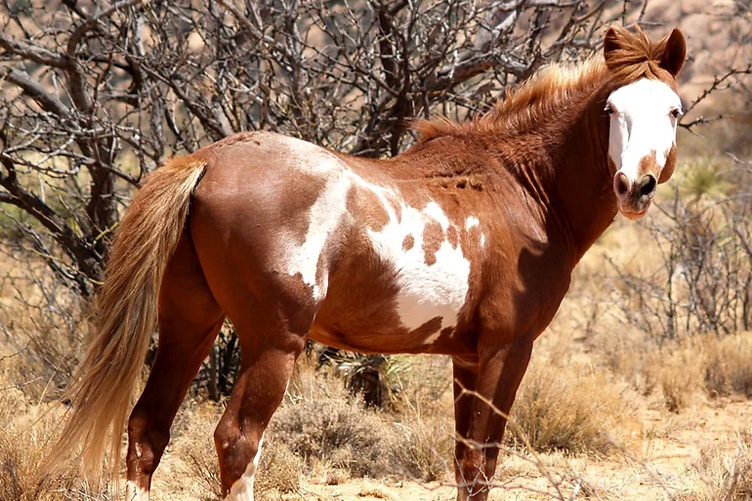 Developed in the United States in the early 20th century, the Wilbur-Cruce Horse is a versatile breed known for its athleticism and intelligence. However, the breed’s popularity declined, and its numbers dwindled to critically low levels.
 - Florida Cracker Horse:
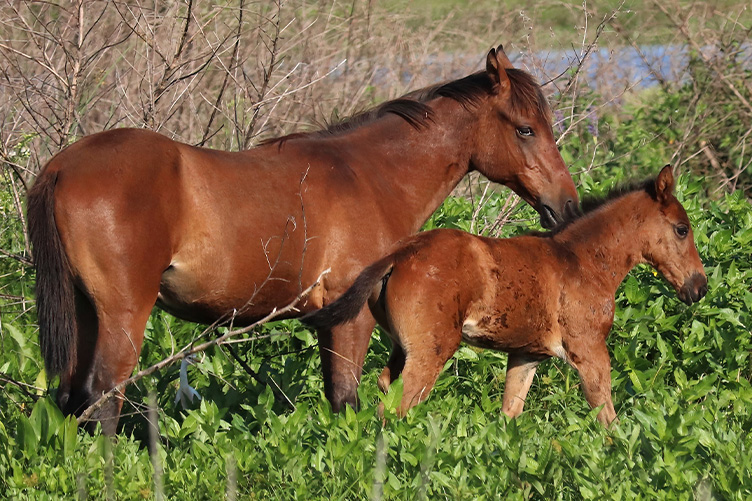 The Florida Cracker Horse is a hardy and adaptable breed developed in Florida. Used for cattle ranching and transportation, the Florida Cracker Horse played a vital role in the state’s history.
 - Galiceño Horse:
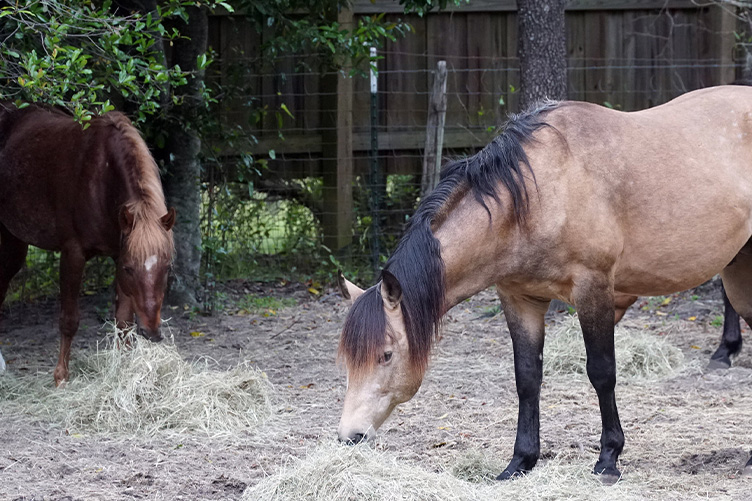 The Galiceño Horse is a critically endangered breed native to Spain. Known for its hardiness and surefootedness, the Galiceño Horse was once prized for working in mountainous terrain. However, the breed’s numbers have declined due to hybridization and competition from other breeds.
 - Marsh Tacky Pony:
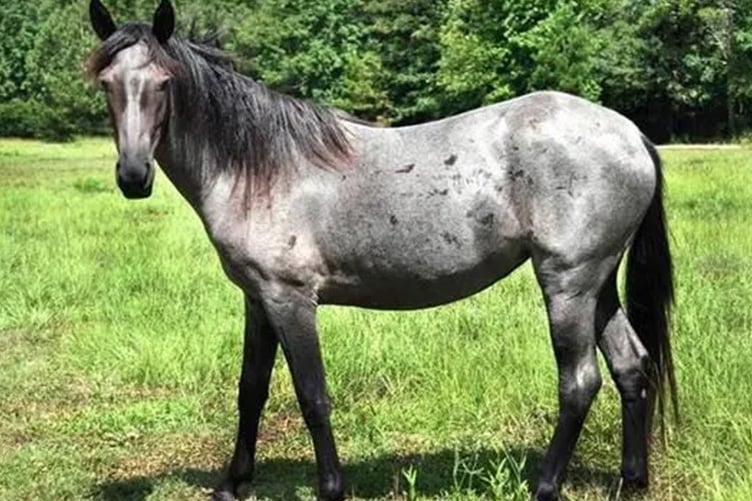 The Marsh Tacky Pony is a small, hardy breed developed on the Eastern Shore of Maryland. Used for herding livestock and transportation, the Marsh Tacky Pony is perfectly adapted to the region’s marshlands.
 - Newfoundland Pony:
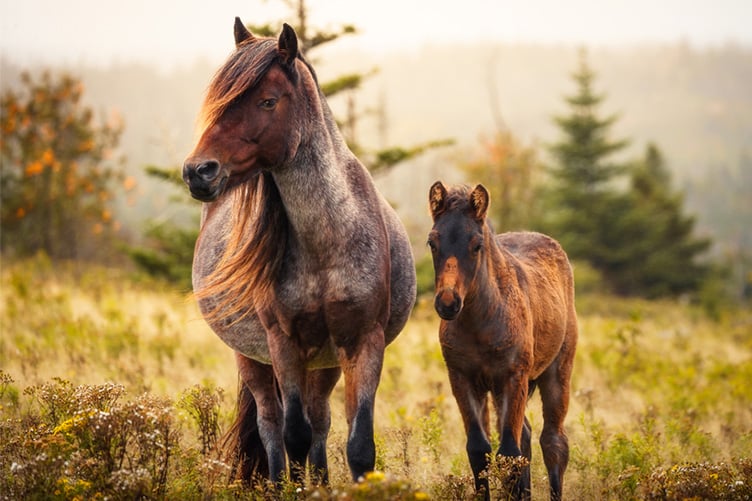 The Newfoundland Pony is a small, hardy breed native to the island of Newfoundland. Used for transportation and farm work, the Newfoundland Pony played a vital role in the island’s history. However, the breed’s numbers have declined significantly.
 - Caspian Horse:
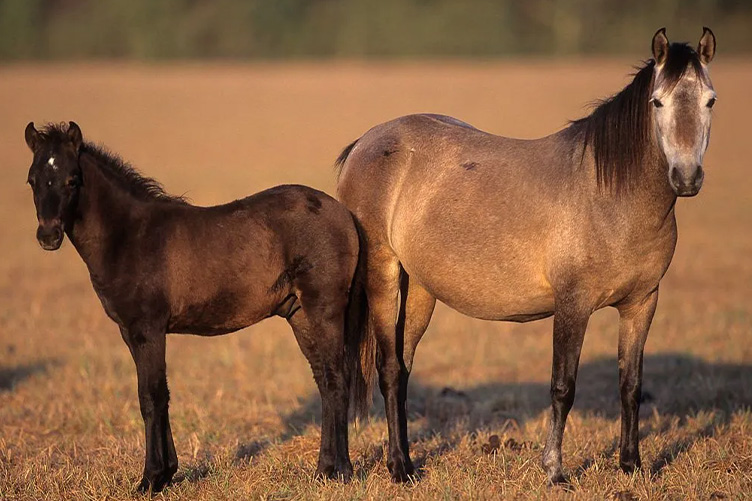 With a history dating back to ancient Persia, the Caspian Horse is a rare and refined breed known for its elegance, intelligence, and athleticism. These horses were once prized by royalty and nobility for their stamina and speed. However, the Caspian Horse’s numbers dwindled significantly during the 20th century. Conservation efforts are underway to ensure the survival of this unique breed.
 - Dales Pony:
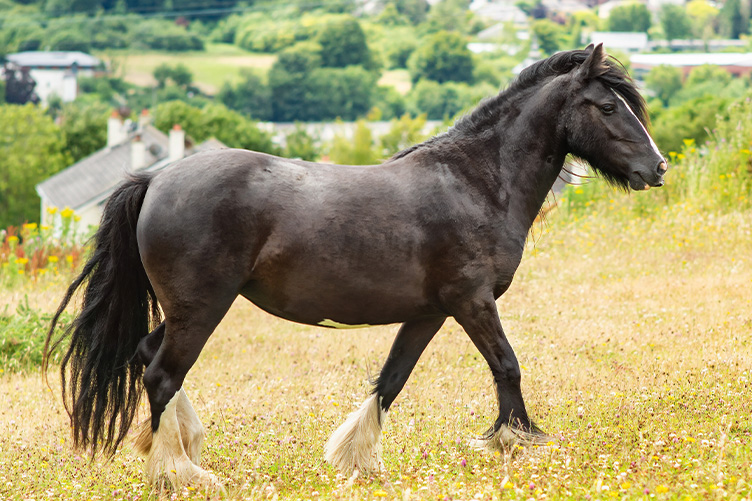 Developed in the northern hills of England, the Dales Pony is a hardy and versatile breed known for its strength, surefootedness, and gentle temperament. Used for centuries in agriculture and transportation, the Dales Pony played a vital role in the region’s development. Today, the breed faces extinction.
 - Dartmoor Pony:
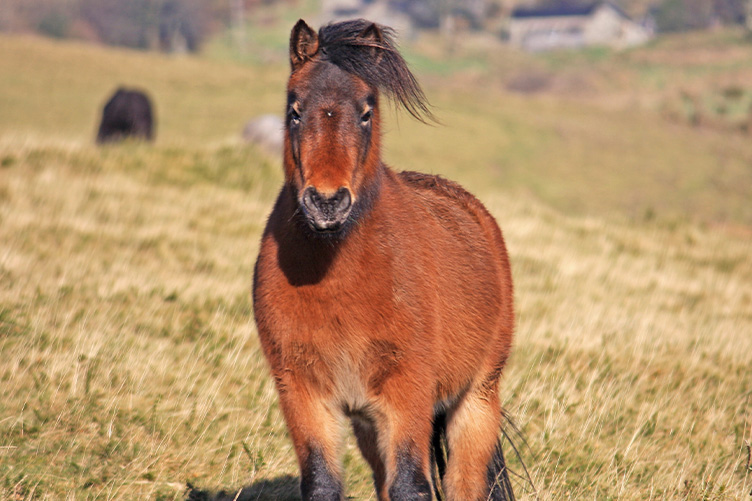 The Dartmoor Pony is a hardy and adaptable breed native to Dartmoor, a national park in southwestern England. These small, agile ponies have thrived in the harsh moorland environment for centuries. Used for pack carrying and farm work, the Dartmoor Pony played a vital role in the region’s history.
 - Exmoor Pony:
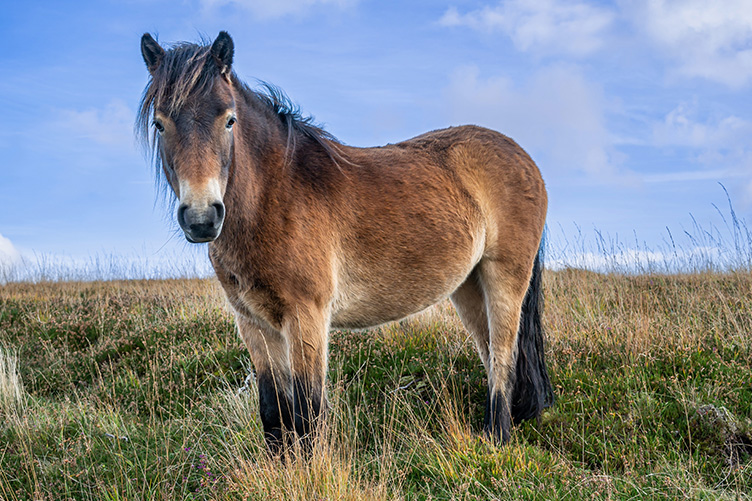 The Exmoor Pony is a hardy and surefooted breed native to Exmoor, a national park in southwestern England. These ponies have roamed the moors for centuries, perfectly adapted to the harsh environment. Used for grazing and light farm work, the Exmoor Pony played a vital role in the region’s history.
 - Cleveland Bay Horse:
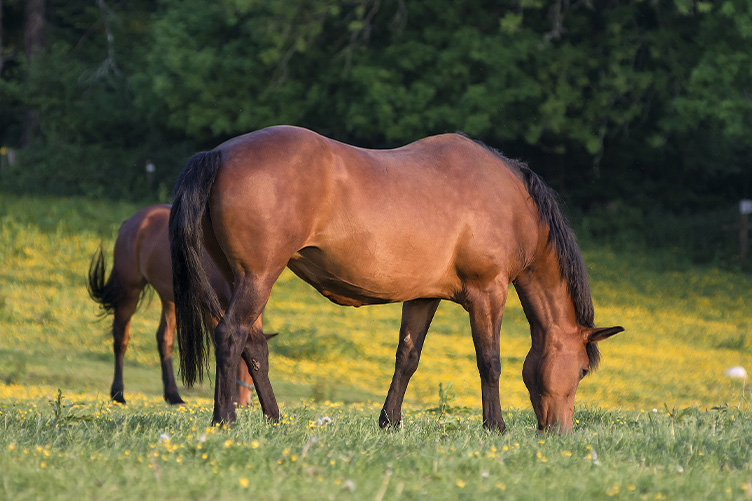 Developed in northeastern England, the Cleveland Bay Horse is a powerful and elegant breed known for its strength, stamina, and versatility (as well as its consistent bay coloration). Used for centuries in agriculture, transportation, and carriage driving, the Cleveland Bay Horse played a vital role in the region’s development.
 - Hackney Horse:
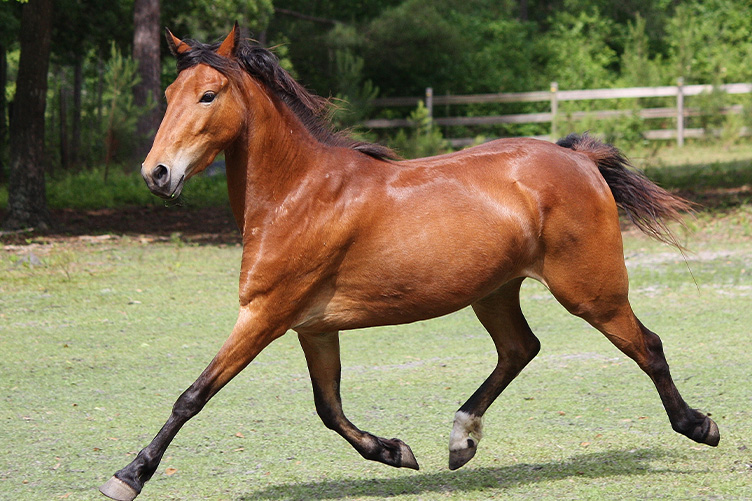 The Hackney Horse is a stylish and athletic breed known for its high-stepping gait and elegant carriage. Developed in England, the Hackney Horse was once a popular choice for carriage driving and riding. However, the breed’s popularity declined with the rise of automobiles, and its numbers dwindled. Conservation efforts are underway to ensure the survival of this unique breed.
 - Shire Horse:
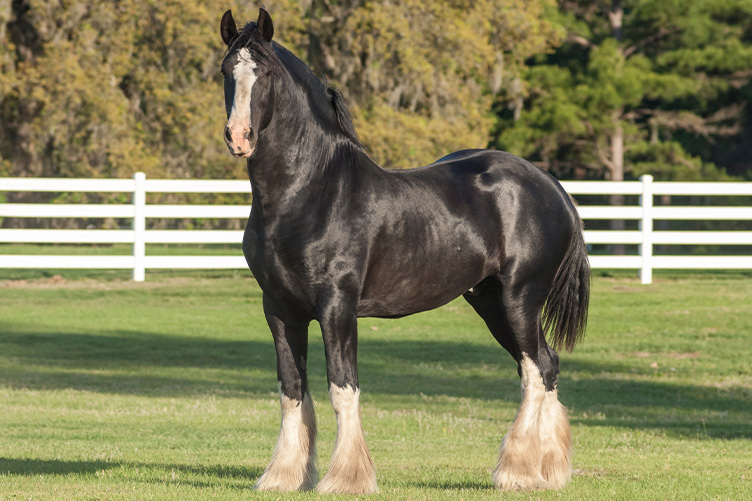 The Shire Horse is a majestic and powerful breed known for its immense size and gentle temperament. Once a common sight on farms throughout England, the Shire Horse was prized for its strength and draft capabilities. However, the rise of mechanized agriculture led to a decline in the breed’s popularity.
 - Suffolk Punch:
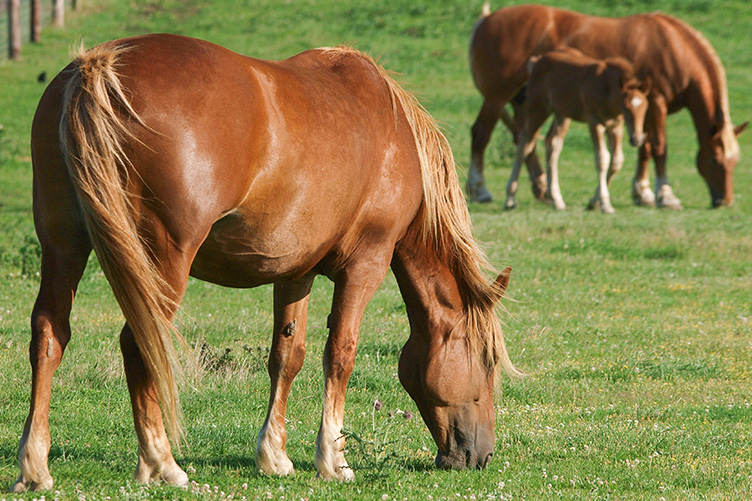 The Suffolk Punch is the oldest English breed of draft horse. These gentle giants were known for their chestnut color and impressive strength, used for centuries in agriculture throughout Suffolk and Norfolk counties. Sadly, the Suffolk Punch is considered even more endangered than the giant panda, with fewer than 80 breeding females remaining worldwide. Reproductive challenges and a shift towards lighter draft horses have contributed to this critical situation.
Several factors have contributed to the decline of these Critically Endangered Horse Breeds. The rise of industrialization and mechanization reduced the need for working horses, leading to a shift towards more specialized breeds for leisure riding and racing. Additionally, breeding practices favoring specific traits and the introduction of new breeds further marginalized these traditional breeds.
Habitat loss and fragmentation have also impacted some breeds. Horses that once thrived on vast open ranges now find themselves confined to smaller areas, limiting their grazing grounds and breeding opportunities.
Each breed has a unique history and played a vital role in the development of human civilization. Their loss would be a significant blow to our global biodiversity and cultural heritage.
Threatened Horse Breeds
The Livestock Conservancy classifies a horse breed as Threatened when there are fewer than 1,000 annual registrations in the United States and an estimated global population of less than 5,000. These breeds face a significant risk of disappearing in the future if conservation efforts are not successful. Here are the Threatened Horse Breeds:
- Rocky Mountain Horse / Mountain Pleasure Horse:
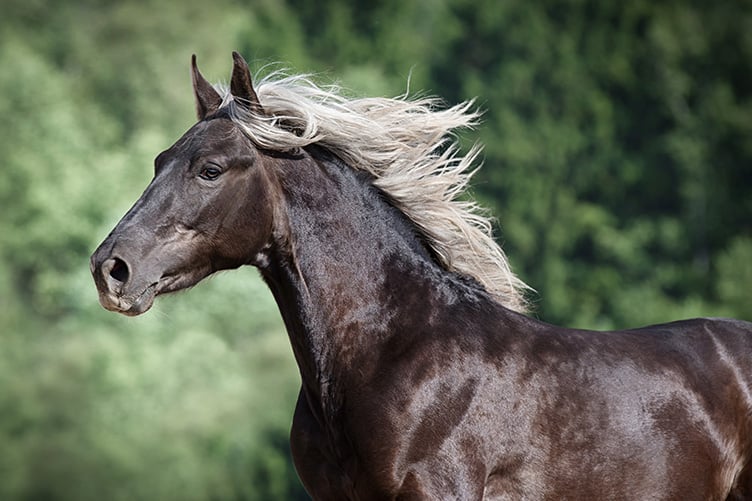 These versatile breeds are known for their distinct four-beat lateral gait (called the “single foot”), athleticism, and gentle temperament. Originally developed in the Rocky Mountains, these horses were prized for their surefootedness and ability to handle difficult terrain. However, their numbers have declined in recent decades, and they are now classified as Threatened.
 - Clydesdale:
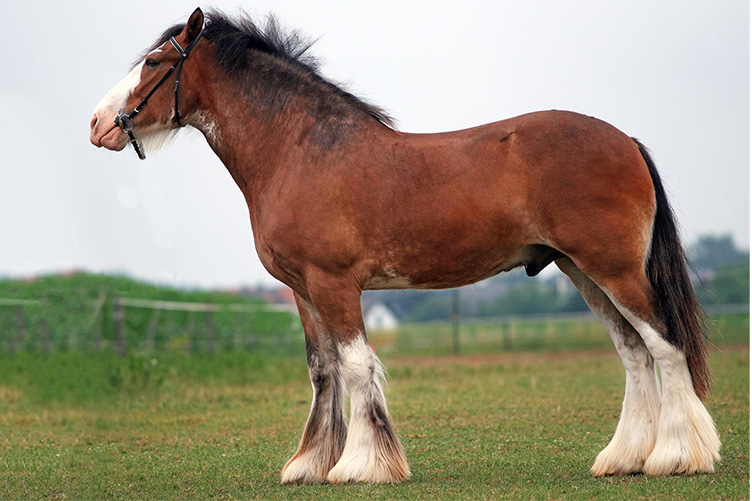 The Clydesdale is a powerful draft horse breed known for its massive size and gentle temperament. Developed in Scotland, Clydesdales were once a common sight on farms throughout the world. However, the rise of mechanized agriculture led to a decline in their popularity. Today, the Clydesdale is classified as Threatened, with conservation efforts underway to preserve this magnificent breed.
 - Puerto Rican Paso Fino:
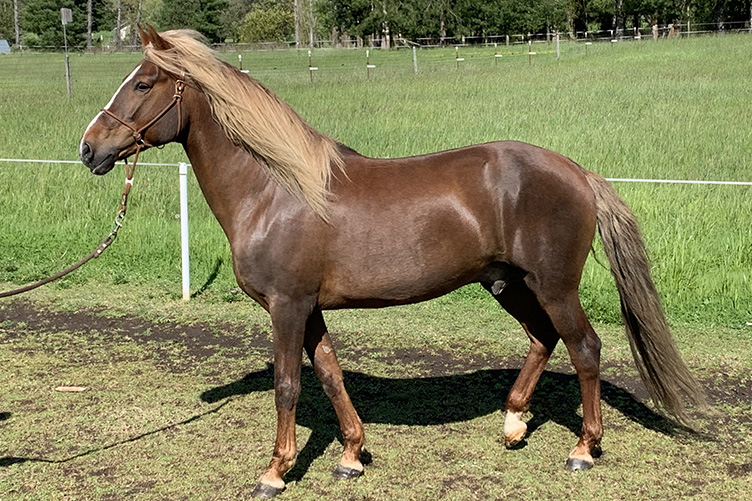 The Puerto Rican Paso Fino is a unique breed known for its distinctive four-beat gait and elegant movement. Developed in Puerto Rico, these horses were prized for their smooth ride and stamina. Conservation efforts are focusing on preserving the breed’s unique bloodlines and promoting its versatility for riding and leisure activities.
A Ray of Hope: Recovering Horse Breeds
The Livestock Conservancy also classifies breeds as Recovering when their population is increasing and their future is no longer in immediate danger. The Belgian is currently listed as a recovering breed. The Belgian is a powerful draft horse breed known for its strength, intelligence, and willingness to work. Developed in Belgium, Belgians were once a common sight on farms throughout Europe and North America. However, the use of machinery in agriculture led to a decline in their popularity. Today, the Belgian is classified as Recovering, thanks to a resurgence of interest in draft horses for sustainable agriculture and forestry work.
Conservation Efforts Underway
Fortunately, there are dedicated organizations and individuals working tirelessly to conserve these horse breeds. The Livestock Conservancy, along with other breed associations and breeders, are implementing various conservation strategies. These include:
- Maintaining breed registries: These registries track pedigrees and ensure the purity of the breed.
- Encouraging breeding programs: Breeders are encouraged to adopt responsible breeding practices to increase population numbers.
- Providing educational resources: Educational programs raise awareness about these breeds and their importance.
How You Can Help
The future of these breeds lies in our hands. Here are some ways you can get involved in their conservation:
- Learn more about these breeds: Educate yourself about the unique characteristics and histories of these Critically Endangered Horse Breeds.
- Support breed associations and conservancies: Donate to organizations working to conserve these breeds, such as the Equus Survival Trust or the Endangered Equine Alliance.
- Spread awareness: Talk to your friends, family, and fellow horse enthusiasts about the plight of these breeds.
- Consider adopting a Critically Endangered or Threatened Horse Breed: If you are looking for a horse companion, consider adopting a breed from this list.
By taking action, we can ensure that these magnificent creatures continue to grace our fields and pastures for generations to come. Let’s work together to preserve their legacy and safeguard our equine heritage.

didn’t know the dales horse was critically endangered.