
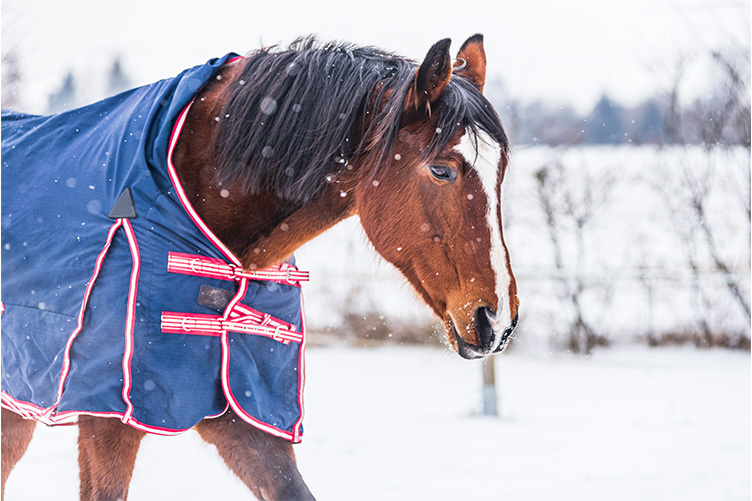
Winter presents unique challenges for horse owners, especially when it comes to maintaining their horses’ skin health. The cold weather, combined with the need for blankets and limited turnout, can lead to issues such as dry skin, blanket rubs, and static electricity. Here, we’ll explore these challenges and provide practical solutions to keep your equine companion comfortable and healthy during the colder months.
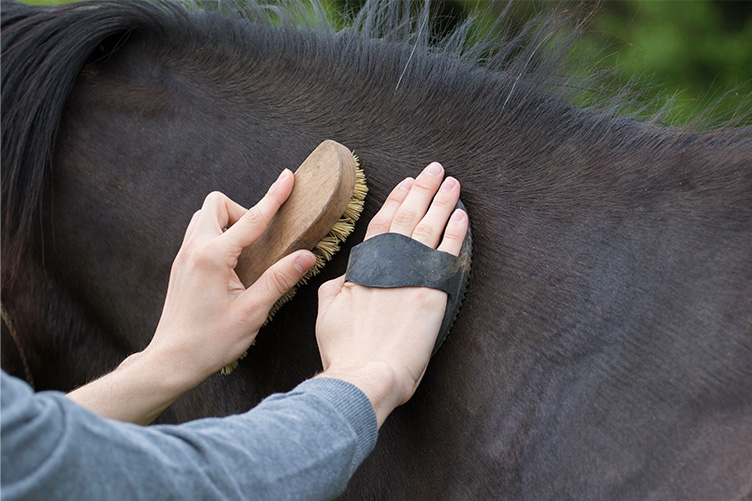
Dry Skin
Winter air is often dry, and this can lead to flaky, itchy skin for horses. Limited access to natural oils from grazing and frequent use of blankets can exacerbate this condition. Signs of dry skin include visible flakes, dandruff in the mane and tail, and excessive itching.
How to Manage Dry Skin:
- Hydration: Ensure your horse is drinking enough water. Adding a salt block or electrolyte supplement can encourage water consumption.
- Diet: Incorporate omega-3 fatty acids into your horse’s diet through flax seed, chia seeds, or a high-quality coat supplement. These nutrients support healthy skin and a shiny coat.
- Grooming: Use a stiff brush or curry comb to stimulate the production of natural oils. Avoid over-bathing, which can strip oils from the skin.
- Moisturizers: Apply a horse-safe moisturizing spray or cream to particularly dry areas. Products containing aloe vera or vitamin E can be especially soothing.
Blanket Rubs
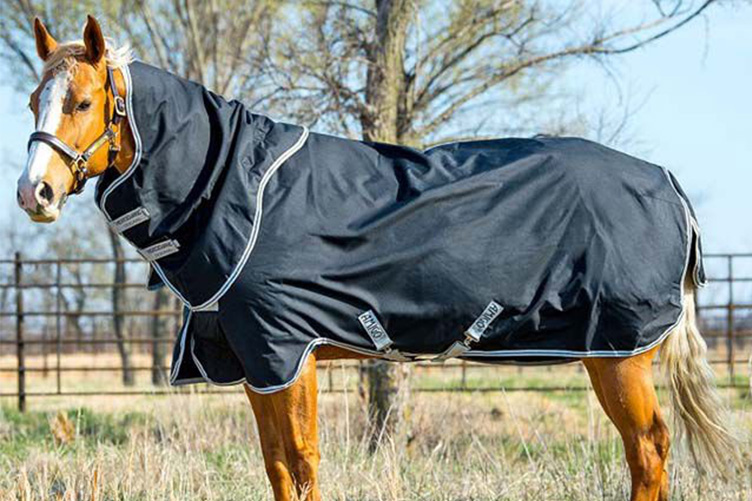
Blanketing is essential for many horses in winter, but poorly fitted blankets can cause rubs on the shoulders, withers, and hips. These irritated areas can become sore and lead to hair loss if not addressed.
Preventing and Treating Blanket Rubs:
- Proper Fit: Invest in a blanket that fits well. It should not be too tight or too loose, and it should allow a full range of motion without excessive pressure. If you need assistance selecting the right blanket for your horse, we encourage you to reach out to a member of our friendly and knowledgeable sales staff.
- Liners: Use a shoulder guard or liner under the blanket to reduce friction.
- Check Daily: Inspect your horse’s skin daily for signs of rubs or irritation. Adjust or replace the blanket if needed.
Healing Ointments: If rubs occur, apply a soothing ointment such as one with zinc oxide or lanolin to protect and heal the skin.
Static Electricity
Static electricity is a common problem during winter due to dry air and synthetic blanket materials. It can make your horse uncomfortable and lead to resistance during grooming or blanketing.
Reducing Static Electricity:
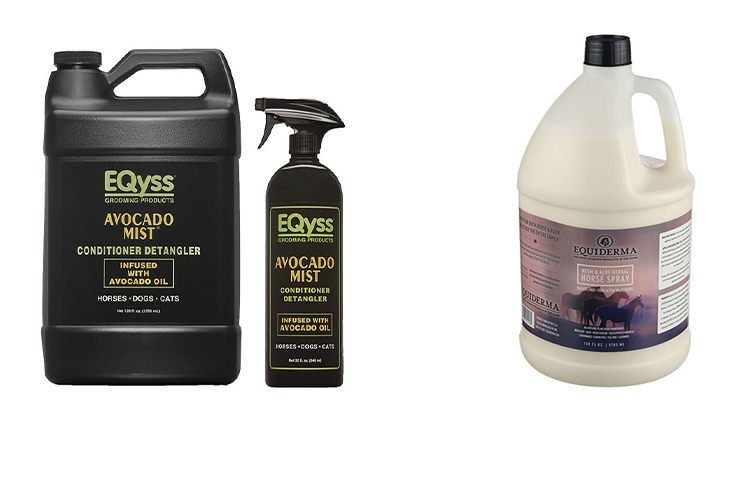
- Anti-Static Sprays: Use an anti-static spray designed for horses (we often recommend EQyss Avocado Mist) or make your own by mixing water with a small amount of unscented fabric softener. Many of our customers have also had success with Equiderma Neem & Aloe Natural Fly Spray.
- Material Choice: Opt for blankets and coolers made with anti-static linings, like the Horseware Amigo Hero Ripstop Turnout and the WeatherBeeta Anti-Static Fleece Cooler Combo Neck.
Humidity: Increase humidity in the barn with a humidifier or by soaking hay in water before feeding.
Rain Rot
Rain rot, also known as dermatophilosis, is a bacterial skin infection that can occur any time your horse’s coat remains damp for an extended period. It typically appears as scabs or crusty patches that may pull out clumps of hair when removed.
Preventing Rain Rot:
- Keep Your Horse Dry: Ensure blankets are waterproof and check for leaks regularly. Dry your horse thoroughly after exercise or exposure to rain or snow.
- Regular Grooming: Use a curry comb to remove dirt, mud, and sweat that can trap moisture.
- Clean Environment: Maintain clean and dry bedding in stalls to reduce exposure to moisture and bacteria.
Treating Rain Rot:
- Isolate Affected Areas: Remove scabs gently to allow air to reach the skin, but avoid pulling too forcefully in order to prevent irritation.
- Medicated Shampoos: Wash the affected area with an antibacterial or antifungal shampoo. Rinse thoroughly and dry completely.
- Topical Treatments: Apply a horse-safe antimicrobial ointment, such as Hay Where’s That Blue Stuff, to help heal the skin and prevent further infection.
Monitor Progress: If the condition does not improve or worsens, consult your veterinarian for further advice and possible prescription treatments.
Pastern Dermatitis
Pastern dermatitis, also known as scratches or mud fever, is an inflammation of the skin on the lower legs, often caused by prolonged exposure to wet, muddy conditions. It appears as scabs, redness, or swelling and can cause discomfort or lameness if severe.
Preventing Pastern Dermatitis:
- Keep Legs Dry: Dry your horse’s legs thoroughly after turnout in wet conditions. Use waterproof leg wraps sparingly to avoid trapping moisture.
- Regular Cleaning: Clean the pastern area daily to remove mud and debris.
- Barrier Creams: Apply a horse-safe barrier cream or ointment, for example, EquiFit AgSilver CleanBalm or The Cheshire Horse Tea Tree & Calendula Herbal Salve, before turnout to protect the skin from moisture.
Treating Pastern Dermatitis:
- Clean Gently: Wash the affected area with a mild antibacterial shampoo, such as Durvet Medicated Antibacterial & Antifungal Shampoo, and pat dry. Avoid scrubbing, which can irritate the skin further.
- Topical Medications: Apply an antimicrobial ointment, like Show Out Equine Skin & Scratches Spray, to treat the infection and soothe the skin.
- Monitor and Rest: Keep the horse in a clean, dry environment while the area heals. Limit turnout in wet or muddy conditions.
- Veterinary Care: If the condition worsens or doesn’t improve, consult your veterinarian for additional treatment options.
Winter skin care for horses requires vigilance, but with the right approach, you can ensure your horse remains comfortable and healthy throughout the season. Regular grooming, proper blanketing, and a balanced diet are key components. By addressing potential issues early, you can prevent discomfort and keep your horse’s coat and skin in top condition all winter long.
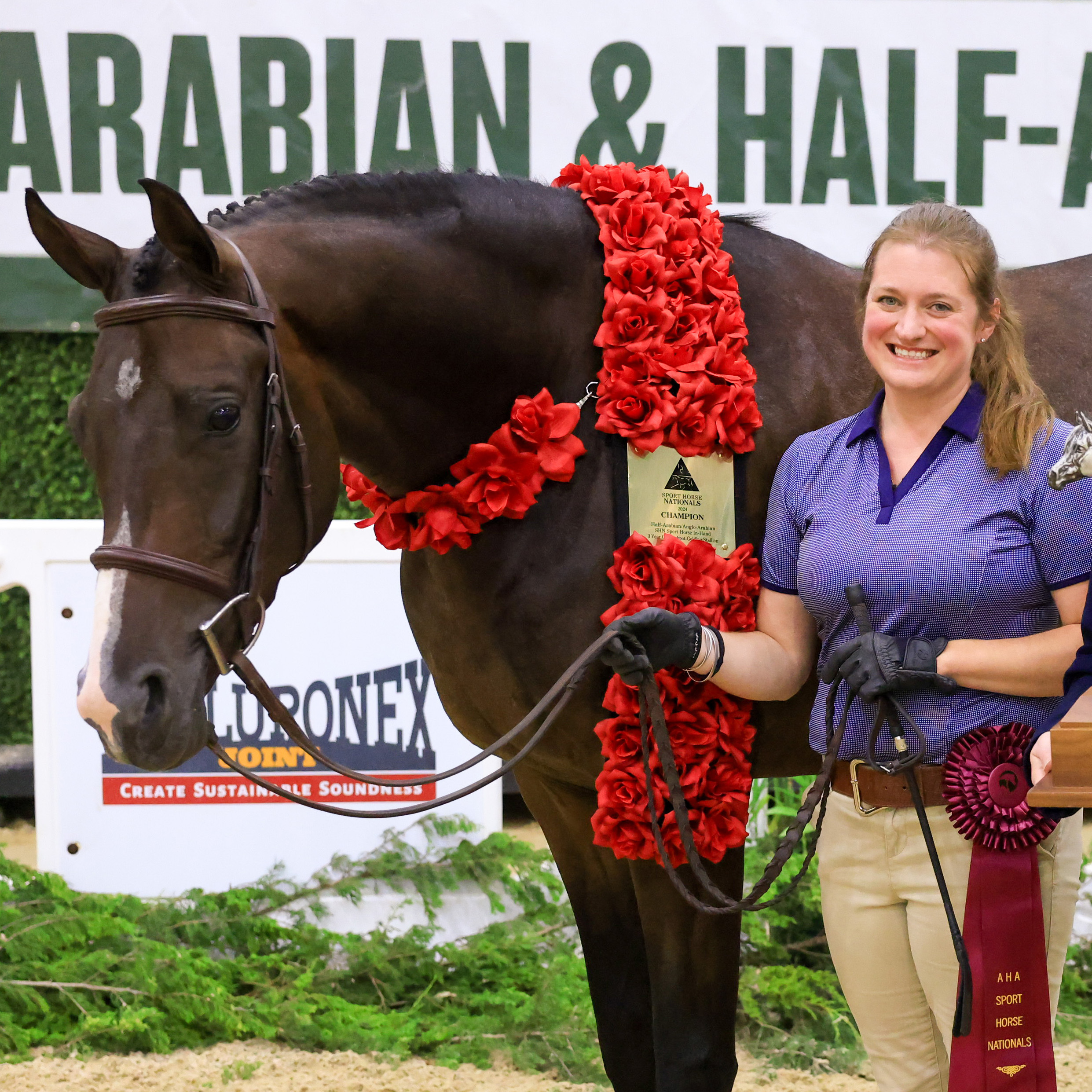
Jennifer Keating is an equestrian and the e-commerce copywriter for The Cheshire Horse. She’s been competing on the hunter/jumper and Arabian circuits for years and has earned nearly 20 national championship titles along the way. She’s still actively showing while also writing about the products and gear she knows from real experience in the barn and the ring.