

Raising goats can be a rewarding experience, but like any livestock, they are susceptible to various health problems. This comprehensive guide will equip you with the knowledge to recognize common goat ailments and ensure your herd thrives. We’ll explore internal and external parasites, bacterial and viral infections, nutritional deficiencies, and even foot care concerns.
Internal Parasites

These are a major concern for goat owners, especially those with animals grazing on pastures. Roundworms, tapeworms, and flukes can all wreak havoc on your goat’s health, leading to weight loss, diarrhea, anemia, and even death in severe cases. Regular deworming with veterinarian-recommended products is crucial for prevention.
Signs and Symptoms: Diarrhea, weight loss, dull coat, potbelly appearance, weakness
Treatment: Consult your veterinarian for a targeted deworming medication based on the type of parasite identified.
External Parasites
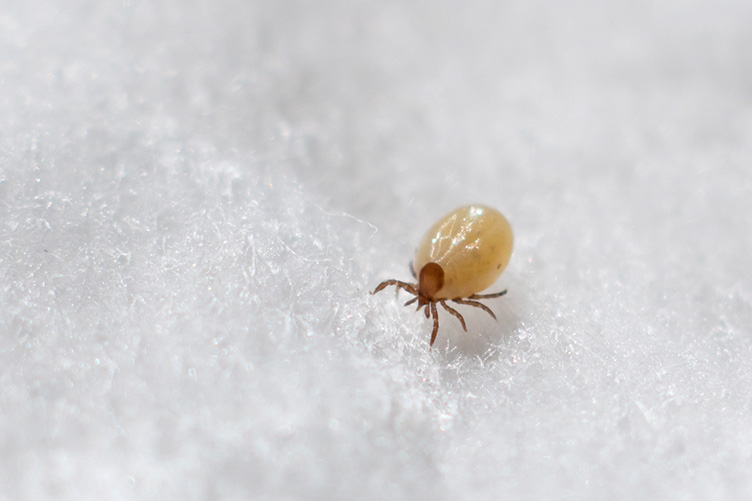
These pests, including lice, mites, and keds, can cause irritation, discomfort, and blood loss in goats. Left unchecked, they can lead to secondary infections and impact the overall health of your animals.
Signs and Symptoms: Scratching, restlessness, visible lice or mites on the skin, hair loss
Treatment: Several effective parasiticides are available, including topical medications, pour-ons, and dusts. Consult your veterinarian to choose the right product for your goats and their environment.
Foot Rot

This bacterial infection affects the hooves of goats, causing lameness, pain, and difficulty walking. It’s most common in wet conditions and can spread quickly through a herd.
Signs and Symptoms: Limping, redness, and swelling between the toes, foul odor from the feet
Treatment: Trim away any loose or dead hoof tissue and clean the affected area with an antiseptic solution. In severe cases, antibiotics may be prescribed by your veterinarian. Maintaining clean and dry living quarters can help prevent foot rot.
Mastitis

This is an inflammation of the udder, most commonly caused by bacteria. It can affect milk production and quality, and if left untreated, can lead to serious health problems for the doe.
Signs and Symptoms: Hot, swollen udder, redness, flakes or pus in the milk, decrease in milk production
Treatment: Early detection is key. Milk out the affected teat completely and apply a warm compress. Veterinarians may prescribe antibiotics or anti-inflammatory medications in severe cases. Maintaining good milking hygiene, a consistent milking schedule, and proper technique is essential to prevent mastitis.
Pregnancy Toxemia
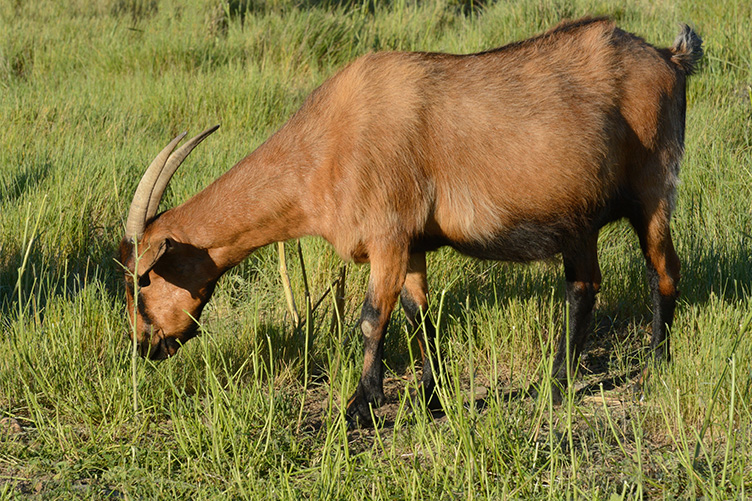
This is a life-threatening condition that can occur in pregnant does during the last trimester. It’s caused by the developing fetus limiting the space available in the rumen for food to ferment properly.
Signs and Symptoms: Depression, lethargy, loss of appetite, difficulty walking, incoordination
Treatment: Immediate veterinary attention is crucial. Treatment may involve inducing early kidding, providing readily digestible feed, and administering glucose or other supportive therapies.
Enterotoxemia (Overeating Disease)
This potentially fatal disease strikes quickly, often in young, rapidly growing goats. It’s caused by an overgrowth of Clostridium bacteria in the gut, which multiply rapidly when goats consume rich food sources after a period of low-quality feed. Vaccinating your herd and avoiding sudden changes in diet can help prevent enterotoxemia.
Signs and Symptoms: Sudden death (especially in young goats), depression, lack of coordination, diarrhea, convulsions
Treatment: Enterotoxemia can progress rapidly, so immediate veterinary attention is crucial. Treatment may involve antibiotics, fluids, and supportive care. Prevention through vaccination and proper feeding practices is essential.
Caseous Lymphadenitis (CL)
This bacterial infection causes abscesses to form, typically around the head, neck, and shoulders. While rarely fatal, it can affect the animal’s health and appearance. Treatment involves removing the abscesses and potentially antibiotics.
Signs and Symptoms: Abscesses (usually starting small and growing over time), swollen lymph nodes, weight loss (in severe cases), lethargy
Treatment: A veterinarian will typically lance and drain the abscesses, and may prescribe antibiotics to prevent further infection. Early detection and treatment are key to minimizing scarring and ensuring the goat’s health.
Caprine Arthritis Encephalitis (CAE)
This chronic and progressive disease affects a goat’s joints, nervous system, and internal organs. There is no cure, but blood testing can help identify infected animals. These animals should be isolated to prevent the spread of CAE to healthy goats.
Signs and Symptoms: Progressive lameness and joint swelling, weight loss, difficulty breathing (in advanced stages), fever (in some cases), neurological signs like head pressing or circling (in advanced stages)
Treatment: There is no cure for CAE, but supportive care can help manage symptoms and improve the goat’s quality of life. Vaccination of kids (young goats) can help prevent the spread of CAE in some regions, but consult your veterinarian about its availability and effectiveness in your area.
Contagious Ecthyma (Orf)
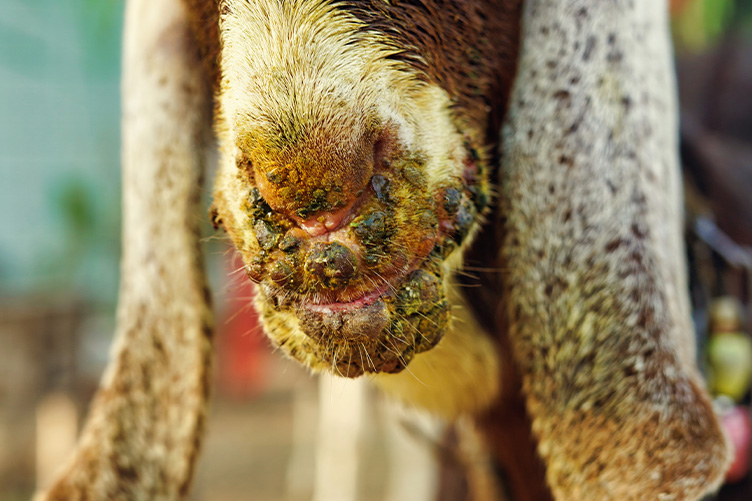
This contagious viral disease causes scabby lesions around the mouth, lips, and nose, often in young goats. While not usually serious, it can make eating uncomfortable. Isolate affected animals and vaccinate your herd to prevent outbreaks.
Signs and Symptoms: Blisters around the mouth, lips, and nose that develop into scabs; difficulty eating (due to discomfort); mild fever (in some cases)
Treatment: Orf typically resolves on its own within a few weeks. In some cases, a veterinarian may recommend topical ointments to soften scabs and promote healing. Vaccination can help prevent future outbreaks.
Bloat
This is a rapid buildup of gas in the rumen, a goat’s first stomach. It can be caused by improper diet, sudden changes in feed, or ingestion of foreign objects. If you suspect bloat, contact your veterinarian immediately, as it’s a life-threatening condition.
Signs and Symptoms: Rapidly distended abdomen on the left side, difficulty breathing, anxiety, restlessness, standing in an abnormal posture
Treatment: Bloat is a medical emergency. Contact your veterinarian immediately for prompt treatment, which may involve rumen massage, administering medications to reduce gas, or passing a stomach tube. Early intervention is crucial for saving the goat’s life.
Preventive Care is Key
By following good management practices, you can significantly reduce the risk of your goats contracting common ailments. Here are some key points to remember:
- Always provide high-quality feed and fresh water.
- Maintain a clean and dry living environment.
- Practice good biosecurity measures to prevent the introduction of diseases.
- Schedule regular checkups with your veterinarian.
- Implement a deworming program as recommended by your veterinarian.
By being observant and proactive, you can ensure your goats live long, healthy, and productive lives.
Remember: This is not an exhaustive list, and any unusual signs in your goats warrant a call to your veterinarian. Early intervention is essential for a full recovery and to prevent the spread of illness within the herd.

Jennifer Keating is an equestrian and the e-commerce copywriter for The Cheshire Horse. She’s been competing on the hunter/jumper and Arabian circuits for years and has earned nearly 20 national championship titles along the way. She’s still actively showing while also writing about the products and gear she knows from real experience in the barn and the ring.