
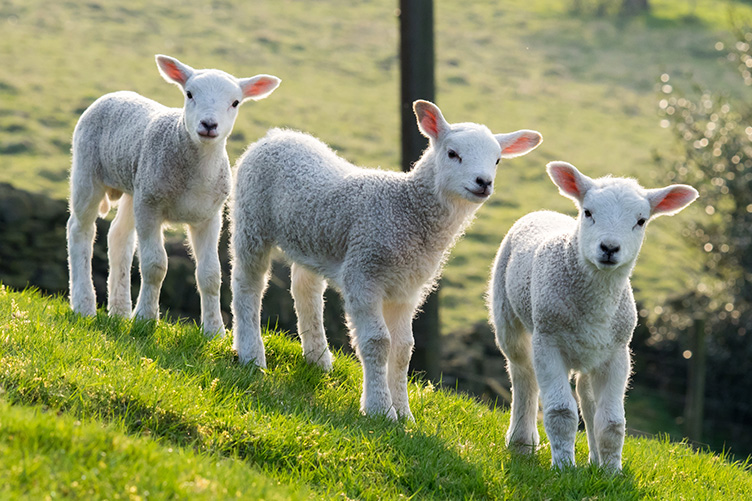
Feeding ewes and lambs is at the heart of successful sheep production, whether you’re managing a commercial flock or a registered breeding operation. While the goals of each may differ, the importance of proper nutrition remains constant. Commercial producers often prioritize efficiency, seeking to maximize output while keeping input costs low. Meanwhile, registered breeders tend to focus on nurturing long-term genetic potential and maintaining the overall health and well-being of their animals.
We sat down with Mike Wright, of Misty Meadow Oxfords/ Spring Hill Farms in Westmoreland, NH, to explore the nuances of feeding ewes and lambs, covering factors such as pasture quality, supplementation, gestation nutrition, and specific recommendations for lambing season. By understanding the importance of tailored nutrition at various stages of the production cycle, producers can support the health of their flock and achieve optimal results.
1. Feeding the Commercial Flock
“Commercial sheep producers are often balancing input costs with the desire for high-quality production. One of the primary considerations when feeding commercial ewes is the quality of the pasture and forage available,” Mike explains. The nutritional requirements of ewes vary depending on the quality of the pasture they are grazing on. For example:
- High-Quality Pasture: When ewes are grazing on rotational pastures with nutrient-dense grass, the protein requirements from supplemental feed may be lower. High-quality pasture can provide sufficient energy and protein to meet the flock’s needs, reducing the need for additional grain.
- Poor-Quality Pasture: If the available forage is of low quality, supplementation with protein sources becomes necessary. Forage testing is a useful tool to determine if your pasture meets your flock’s needs or if supplementation is required.
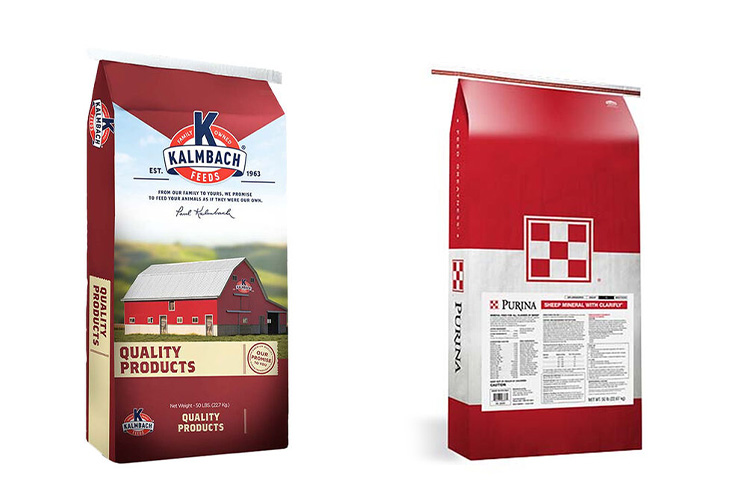
Regardless of pasture quality, all flocks should have access to loose minerals designed for sheep, such as Kalmbach Feeds 2:1 Sheep Mineral with ZinPro or Purina Mills Sheep Mineral with ClariFly. Minerals are crucial for overall health and reproductive success. Selenium deficiency is a common issue in some regions, such as New England, and proper mineral supplementation can help address this.
Additionally, ewes need constant access to clean, fresh water, which is essential for their overall health.
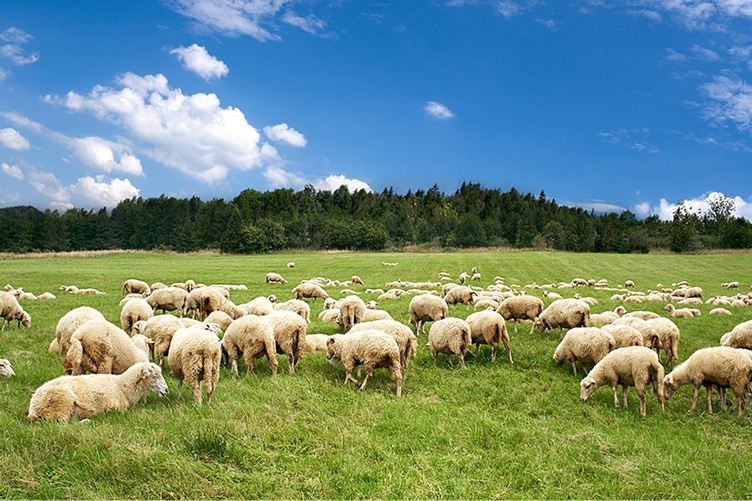
2. Feeding the Registered Flock
For registered producers who are breeding for genetic improvement, the nutritional strategy may include more focus on optimizing the condition and health of individual animals. “Registered producers are often more concerned with the long-term impact of nutrition on reproductive performance, lamb growth, and genetic expression,” Mike explains.
Just like commercial producers, registered breeders must pay attention to pasture quality, but they may also place more emphasis on specific nutrient needs at different stages of the ewe’s reproductive cycle. This includes providing a balanced ration that ensures proper body condition for breeding, gestation, and lambing.
3. Key Nutritional Phases for Ewes
Feeding programs should be adjusted throughout the year, particularly during critical phases such as pre-breeding, gestation, and lactation. Here’s a breakdown of key phases and their associated nutritional needs:
Pre-Breeding (Flushing)
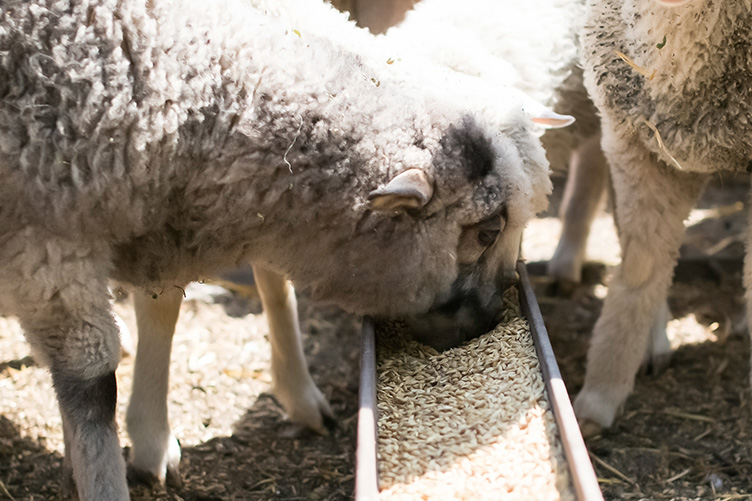
Flushing is the practice of increasing a ewe’s nutrition 2-3 weeks prior to breeding to encourage better conception rates and more multiple births. This can be achieved by providing 0.5 to 1 lb of grain per ewe per day. Ewes should be in good body condition, as both thin and overweight ewes can have difficulty conceiving. Additionally, pastures with high levels of legumes (such as red clover or alfalfa) should be avoided during this period, as plant estrogens can interfere with estrus cycles.
Early to Mid-Gestation
The first 90 days of gestation are critical for placenta development, which directly impacts nutrient transfer to the growing lambs. During this period, a balanced diet is essential to ensure the placenta develops properly, which in turn affects lamb birth weights. Undernutrition during this phase can lead to smaller lambs at birth, regardless of the nutrition provided later in gestation.
To ensure ewes are receiving proper nutrition, consider supplementing with grain or pellets, especially if forage quality is not sufficient. Forage quality should be regularly assessed to determine the need for additional protein.
Late Gestation (Last 4-6 Weeks)
The last month to six weeks of gestation is a critical time for fetal growth, with 70% of lamb development occurring during this period. Ewes need a higher level of nutrition to support this rapid growth. Many producers reduce forage intake during this time, opting to hand-feed hay in order to control portions and prevent issues like prolapse.
The use of ultrasound technology can help producers group ewes by due date and number of lambs expected. This allows for more precise feeding plans, ensuring ewes carrying multiple lambs receive the extra nutrition they need without overfeeding others.
Post-Lambing Nutrition
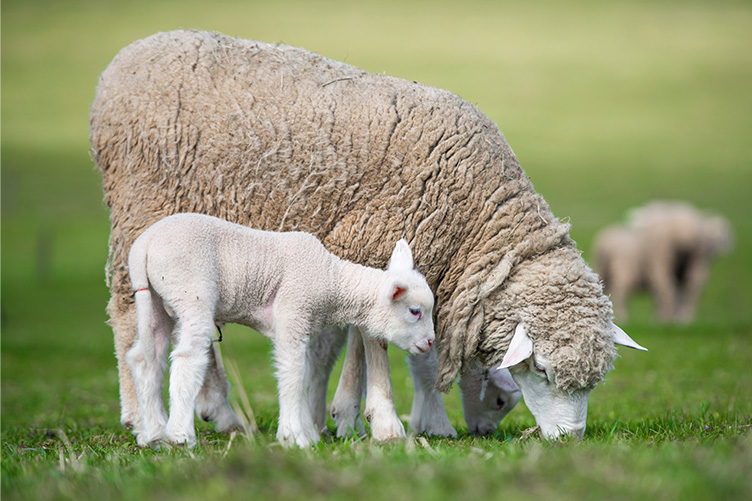
After lambing, ewes should be carefully transitioned back to their normal feed levels. Overfeeding immediately after lambing can lead to digestive problems, so it’s best to start with about 25% of their normal feed intake and gradually increase over time. The amount of feed will vary depending on the breed of the ewe, her body condition, and how many lambs she is nursing. As a general rule, provide 1 lb. of feed per lamb being nursed.
4. Lambing Season Considerations
The management and nutrition of ewes during lambing are critical for both the health of the ewe and her lambs. Some best practices include:
- Shearing Ewes: Shear ewes 60 days prior to lambing to better monitor their body condition and keep the barn cleaner and drier for lambs. Learn more about shearing sheep.
- Lambing Jugs: Ensure lambing areas, including lambing jugs, are clean, dry, and properly bedded in order to reduce the risk of infection and mastitis. Lambing jug size should be appropriate for the breed, with a minimum of 4×5 feet for smaller breeds and up to 5×8 feet for larger breeds.
Creep Feeding: Once lambs are born, set up a creep feeder with high-quality hay and a medicated creep feed pellet containing ammonium chloride to prevent urinary calculi and coccidiosis. Lambs typically begin consuming grain at just over a week old, so ensuring early access to feed helps support growth.
5. Weaning and Feeding Replacement Lambs
Weaning lambs is typically done between 60 and 90 days of age. During the weaning process, it’s important to reduce the protein intake of the ewes and feed low-quality hay to help them dry off without continuing milk production. Avoid turning ewes onto lush pasture immediately after weaning, as this can stimulate milk production and increase the risk of mastitis.
Replacement lambs raised for the flock will typically graze on summer pasture with a small grain supplement and access to loose minerals. Lambs intended for show or breeding will often follow more specialized feeding programs, with some producers opting for higher-protein feeds or additional supplements to support their development.
Jennifer Keating is an equestrian and the e-commerce copywriter for The Cheshire Horse. She’s been competing on the hunter/jumper and Arabian circuits for years and has earned nearly 20 national championship titles along the way. She’s still actively showing while also writing about the products and gear she knows from real experience in the barn and the ring.