
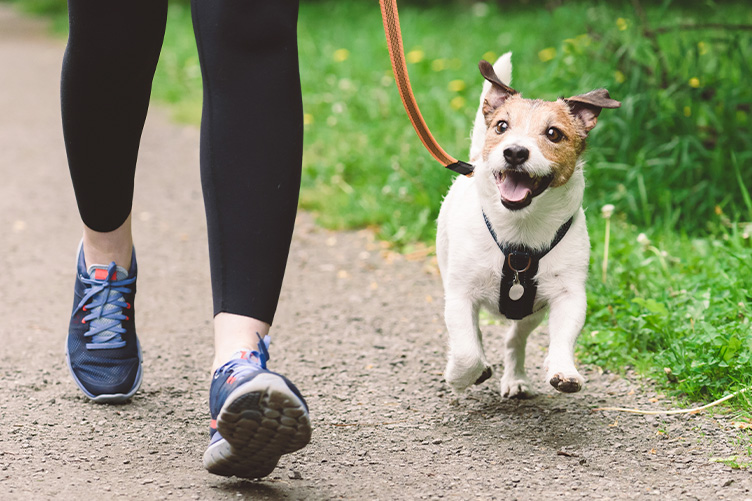
Our furry companions deserve the best, and that includes what they wear each day. A well-fitting collar or harness is essential for safe walks, proper training, and even stylish doggy expression. This guide will delve into the different types of collars, harnesses, and leashes, explore the materials used, and help you find the perfect fit for your four-legged friend.
Understanding Dog Collars
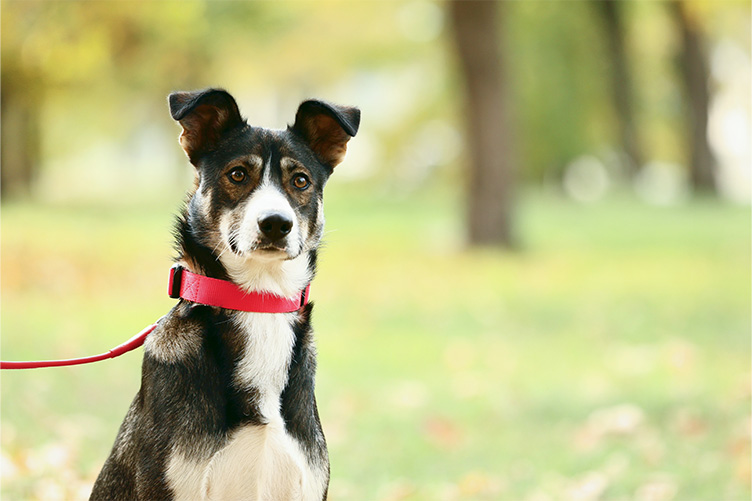
Collars are the most common neckwear for dogs. They not only hold identification tags but also provide a secure way to attach a leash. Here’s a breakdown of the most popular collar types:
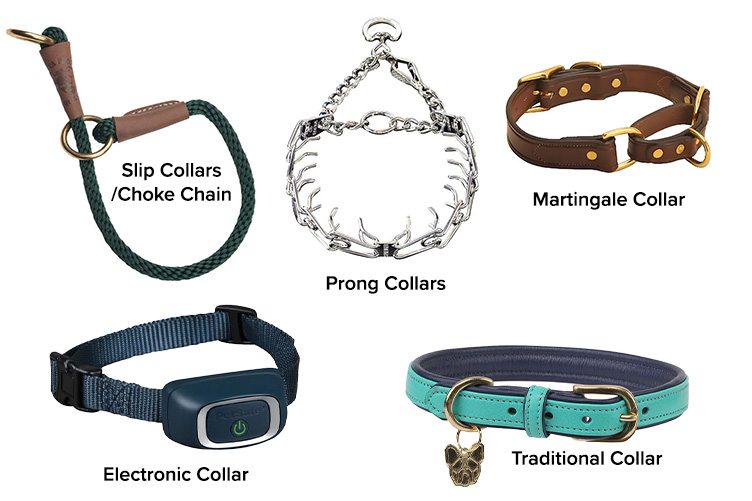
- Traditional Collars: These all-purpose collars come in various materials and widths. Some are reflective, some are cute, and some are plain, simple, and classic. They’re great for everyday wear and can hold identification tags or nameplates. These are the safest options for a dog left unattended; breakaway tags and plastic buckles are highly recommended for safety in those circumstances. Check out some of our customer favorites, such as the RC Pets Clip Dog Collar and the Ruffwear Hi & Light Lightweight Dog Collar.
- Slip Collars/Choke Chains: Also known as dominant collars, these loop collars (such as the Mendota Pet Pro Trainer Slip Collar) tighten when pulled by a leash, putting pressure on the dog’s trachea and throat. They are generally made out of nylon, cotton, or metal chain material – known as choke chains. When used appropriately, dominant dog collars are a humane alternative to prong and electric collars. This collar is not intended to give a painful correction. When used appropriately, tightening should take the air away from an aggressive dog just enough to correct unwanted behavior. Some dogs will get overstimulated by a prong collar, resulting in a more hectic and aggressive dog. Slip collars are not recommended for unattended dogs, as they can easily slip off over the head.
- Martingale Collars: A hybrid between a traditional collar and a slip collar or choke chain, martingales use a looped design to tighten gently when pressure is applied to the leash. The correction from a martingale collar is similar to a traditional collar and a slip collar combined. This is the perfect combination for dogs who do not respond well to a prong collar but have trouble walking in a traditional or choke collar. When pressure is released on the leash, the pressure is instantly released on the dog’s neck — making working with dogs in these collars a quick correction. These collars are for training and walking only and should not be left on when unattended or for tie-out use. The Tory Leather Martingale Dog Collar and the Ruffwear Chain Reaction Martingale Collar are both popular options.
- Prong Collars: These collars have smooth metal prongs facing inwards that create a gentle pinching on the excess skin of the neck, which, for some dogs, can emulate a mother dog’s correction to her pups, which provides humane control over strong or pulling dogs. Despite the judgment of these metal collars, they are the most gentle collar for pulling versus a slip collar, choke chain, and, in some cases, a martingale or regular collar. The trachea is protected by a plate when tension is applied. It applies even pressure around 365 degrees of the neck versus a standard flat collar that puts pressure on the throat and trachea area. When pressure is released on the leash, the pressure is instantly released on the dog’s neck – making working with dogs in these collars a quick correction. Prong collars should be fitted by an experienced trainer or retailer and used properly as a tool to teach the dog. When shopping for a prong collar, fit and quality are very important. We often recommend the Herm Sprenger Ultra-Plus Snap-On Prong Dog Training Collar. Lower-quality prong collars may not have a trachea plate and may have sharp edges. These collars are for training and walking only and should not be left on when unattended or for tie-out use.
- Electronic Collars: Also known as shock collars, static collars, e-collars, or educators, these collars deliver a small electric shock, beeping noise, vibration, spray, or ultrasonic pitched noise when the dog barks or misbehaves. Some are for barking, and some are remote trainers. We have alternatives and ones that offer many methods of correction. Electronic collars are an effective training tool that can be great for training dogs to be off-leash, get their attention, and be obedient. We recommend you use positive reinforcement and the guidance of a trainer or experienced user to get started with these collars.
Understanding Dog Harnesses
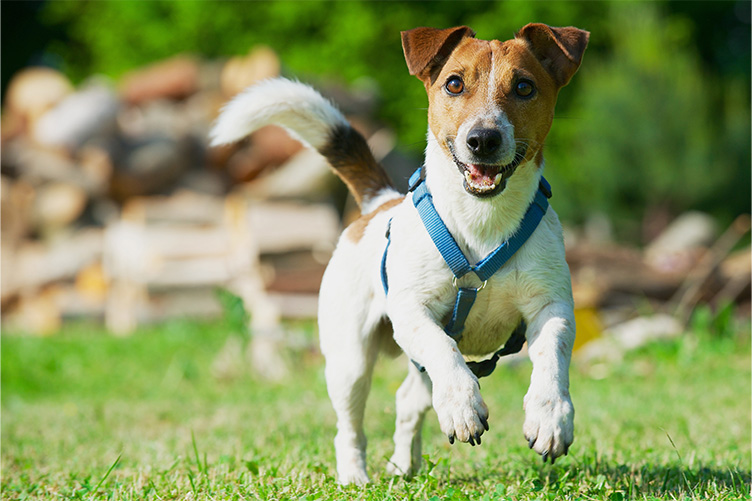
Harnesses distribute pressure evenly across a dog’s chest and back, making them a comfortable and secure option for walks, hikes, or dogs prone to tracheal issues. However, some harnesses are so comfortable that dogs instinctively lean into them and pull harder. So It is important to decide if a harness is right for your dog. Here are the main harness types:
- Standard H-Harness: This is the most common harness, with straps that loop around the chest and back, forming an “H” shape on the dog’s back with a leash clip on the back. The straps typically have some adjustability to provide a good fit. The Shires Digby & Fox Rolled Leather Harness gives your dog a distinguished look.
- Front-Clip Harness: This is similar to a standard harness, but with a leash attachment ring on the dog’s chest. This discourages pulling by gently steering the dog towards your side when they lunge or pull, or when their attention gets piqued elsewhere. The
- Back-Clip Harness: The leash attachment ring is on the back of the harness, offering more freedom of movement but providing less control over pulling. Designed to be more comfortable for relaxed walking or hiking, It does not typically have a chest strap forming an “H.” Straps may go over the head and around the body, or step-in styles exist where the dog steps into the harness. Some of the back clip harnesses also have a ring for attachment on the chest if needed for pulling. Some also have additional straps near the hindquarters and accessories like brush guards, cooling core attachments, backpack compartments, and more to optimize your hikes!
- Head Halter: These harnesses, such as the PetSafe Gentle Leader Head Collar, loop around the dog’s snout and connect to a leash ring below the chin. They offer excellent control over pulling but can take some getting used to for dogs.

Material Matters: What Makes the Perfect Match
The material of your dog’s collar or harness is an important consideration. Here’s a rundown of popular materials and their pros and cons:
- Nylon: The reigning champion, nylon is the most popular material for dog collars and harnesses. It’s highly durable, water-resistant, and lightweight, making it a great all-around choice. Nylon comes in a wide range of colors, patterns, and price points to suit any budget. However, nylon can fray over time and might not be the best option for dogs with allergies or sensitive skin. You can clean a nylon collar by hand washing it with mild soap or dish soap and letting it air dry.
- Polyester: Similar to nylon, polyester offers affordability and durability. It’s lightweight and dries quickly, making it a good option for water-loving pups. However, polyester can also fray over time and may not be as soft as nylon. You can hand wash a polyester collar with mild detergent or pretreat stains and wash it with your regular laundry.
- Leather: For a touch of class, leather collars and harnesses offer a timeless look and long-lasting durability. Leather naturally softens and develops a beautiful patina over time. The downside? Leather requires regular cleaning and conditioning to maintain its suppleness and can be quite expensive compared to nylon or polyester. Leather also stretches and does not hold up to water as well as its synthetic counterparts.
- Laminated Nylon: Similar to nylon, laminated nylon collars offer a balance of durability, affordability, and water resistance. A laminated nylon collar typically has a nylon core encased in a protective, wipeable outer layer. This makes them easier to clean than regular nylon and may be a good option for dogs who get dirty easily. However, laminated nylon collars may not be as breathable as regular nylon and might be slightly stiffer. These are great for swimming or sporting dogs.
- Fleece: Known for its cozy comfort, fleece padding is a great option for dogs with sensitive skin or those who chafe easily from a traditional collar or harness. Fleece is breathable and machine washable, making it easy to keep clean. However, fleece can get damp or muddy on walks and may not be the most durable choice for active dogs.
- Neoprene: This waterproof material is often used in wetsuits and offers similar comfort and padding benefits for dogs. Neoprene is great for active pups who love to swim or spend time outdoors in wet weather. The downside is that neoprene can be heavier and trap heat, making it less suitable for hot climates.
- Biothane: This eco-friendly material is gaining popularity for its impressive durability and ease of cleaning. Biothane is a polyester webbing with a TPU or PVC coating, making it waterproof, odor-proof, and mildew-resistant. It has the look of leather but requires minimal maintenance.
- Mesh: Lightweight and breathable, mesh harnesses are a good option for dogs who overheat easily. Mesh allows for airflow and dries quickly, making it comfortable for hot weather walks. However, mesh typically is not the strongest material and isn’t ideal for heavy-duty pulling or large, strong dogs.
Why a Proper Fit Matters
A well-fitting collar or harness goes beyond aesthetics – it’s about your dog’s comfort and safety. Here’s why getting the right size is crucial:
- Comfort: An ill-fitting collar can rub against your dog’s fur, causing irritation and even sores. A too-tight collar or harness can also restrict your dog’s airways. A harness that’s too loose can bunch up and restrict movement. A proper fit ensures your dog feels happy and comfortable during walks and playtime.
- Safety: A loose collar can easily slip off, leading to your dog escaping or getting lost. A harness that’s too loose can be ineffective for controlling a strong puller, potentially putting you and your dog at risk.
- Training: A properly fitted collar or harness distributes pressure evenly across your dog’s chest and back, making commands clear and manners more effective.
Measuring Your Dog for a Perfect Fit
Before you head out and buy a brand-new collar or harness, grab a soft measuring tape (or even a piece of string you can measure later) and follow these steps:
- For Collars: Locate the base of your dog’s neck, right where their collar normally sits. Snugly, but not tightly, wrap the measuring tape around their neck. Leave enough space to comfortably slip two fingers between the tape and your dog’s fur. This measurement will give you the ideal collar size. For prong collars and martingale collars, we recommend that they be fitted in person by an experienced team member or by a canine trainer, as there are important adjustments for proper fit.
- For Harnesses: You’ll need two measurements for a harness – the neck and the chest girth. For the neck, follow the same steps as for the collar. For the chest girth, find the widest part of your dog’s chest, typically just behind their front legs. Wrap the measuring tape snugly around their chest and record the measurement. Again, ensure you can comfortably fit two fingers between the tape and your dog’s body.
Beyond the Numbers: Additional Tips
While measurements are crucial, here are some extra pointers to ensure a perfect fit:
- Breed Matters: While size charts are a helpful guide, remember that breed can play a role. For example, a Basset Hound with a thick neck might need a slightly larger collar size compared to a Greyhound with a similar neck measurement. The breed also plays a role in selecting the collar width. For example, Greyhounds, like other sighthounds, have a narrower head than their neck. A wider collar helps prevent them from slipping out of a standard buckle collar.
- Growing Pups: If you have a puppy, consider buying an adjustable collar or harness to accommodate their growth spurts.
- Bring Your Dog: The best way to ensure a perfect fit is to bring your dog along when shopping for a new collar or harness. This allows them to try on different sizes and styles to find the one that feels most comfortable.
Choosing the Perfect Leash
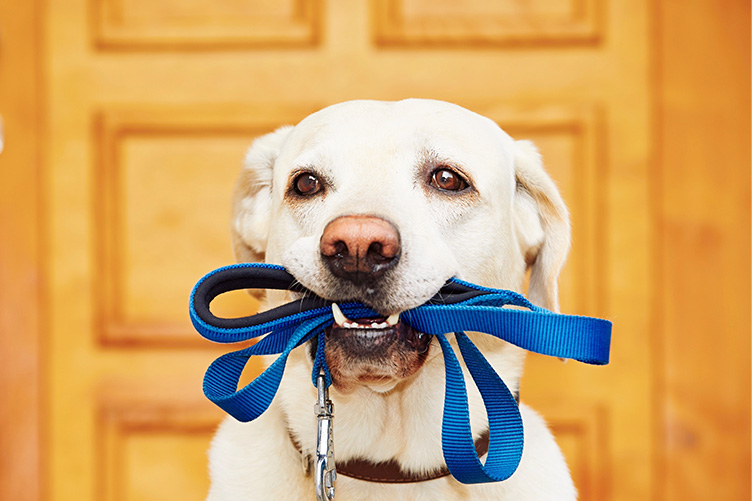
For many dog owners, the leash is an afterthought, but the truth is, there’s a world of leashes out there, each designed for a specific purpose and offering unique advantages. Selecting the right leash can make walks more enjoyable for both you and your dog, promote training success, and even enhance safety.
Let’s check out the most common leash varieties:
- Standard Leashes: These are the workhorses of the leash world. Simple, non-adjustable, and typically featuring a clip at the end, they come in various materials like nylon, leather, or even cotton. Standard leashes are great for everyday walks and provide a secure connection between you and your dog.
- Adjustable/Sporting Leashes: Offering more versatility than standard leashes, adjustable leashes can be lengthened or shortened depending on the situation. Some, like the Ruffwear Switchback or Kurgo Quantum 6-in-1 Dog Leash, even have features like clips that allow you to attach them to your waist or secure them around a tree. These are perfect for dog owners who enjoy activities such as hiking or jogging with their canine companions.
- Bungee Leashes: These leashes incorporate a bungee cord section to absorb sudden pulls or lunges from your dog. This can be helpful for dogs who are still learning leash manners or for active dogs who enjoy exploring during walks. Many dog owners find them to be helpful on the trail when navigating up and down over obstacles since they give the dog a bit of leeway as they move ahead of you. The Ruffwear Trail Runner Dog Leash is popular with our customers.
- Slip Leads: Functioning similarly to a slip collar, a slip lead is a looped leash that tightens around your dog’s neck when pulled. Available in nylon or leather, slip leads, like the Terrain D.O.G. Rope Slip Lead Dog Leash, offer a gentle yet effective way to control your dog.
- Martingale Leashes: Similar to a martingale collar, a martingale leash tightens slightly when your dog pulls, but loosens when there’s slack. These leashes are often used in conjunction with a regular collar and are not recommended for use on their own. Check out the Mendota Pet Dog Walker – Martingale-Style Dog Collar & Leash.
- Retractable Leashes: While convenient for offering your dog more freedom to roam while relieving themself or exploring, retractable leashes, such as the Alcott Adventure Retractable Leash, are generally not recommended for training purposes or large dogs. They can provide less control for the owner and can be dangerous if the leash malfunctions.
- Training Leashes: This category encompasses leashes specifically designed to aid in dog training. The ThunderWorks ThunderLeash Dog Leash, for example, is a short leash that discourages pulling, while the Ruffwear Front Range Short Leash features a safety handle and a traffic handle for increased control in various situations. Long lines allow you to give your dog more freedom during training sessions while still maintaining the ability to call them back. These are also great for swimming or practicing off-leash work, provided your dog has a strong recall. A unique training leash is the Ruffwear Knot-A-Leash Rope Dog Leash. This leash features a locking carabiner that attaches to your dog’s collar and cannot be unclipped, making it ideal for training reactive or aggressive dogs.
By understanding the different types of leashes available and considering your dog’s individual needs, you can choose the perfect leash to make walks and adventures more enjoyable and promote a strong bond. Remember, the right leash is an investment in not only your dog’s safety but also in your training success and overall walking experience.


Custom Comfort and Expert Advice
At The Cheshire Horse, we understand that every dog is unique. That’s why, alongside our wide selection of high-quality collars and harnesses, we offer a custom fitting service. Our experienced staff will carefully measure your dog and help you choose the perfect option based on their breed, size, and individual needs.
Our knowledgeable staff can answer your questions and guide you through the fitting process, ensuring you choose the right collar or harness for your dog’s comfort and safety. Knowing your dog’s collar or harness fits perfectly gives you peace of mind during walks and playtime.
So, whether you choose to measure your dog at home or visit us at The Cheshire Horse for a fitting, remember: a perfect fit is key to a happy and safe pup!
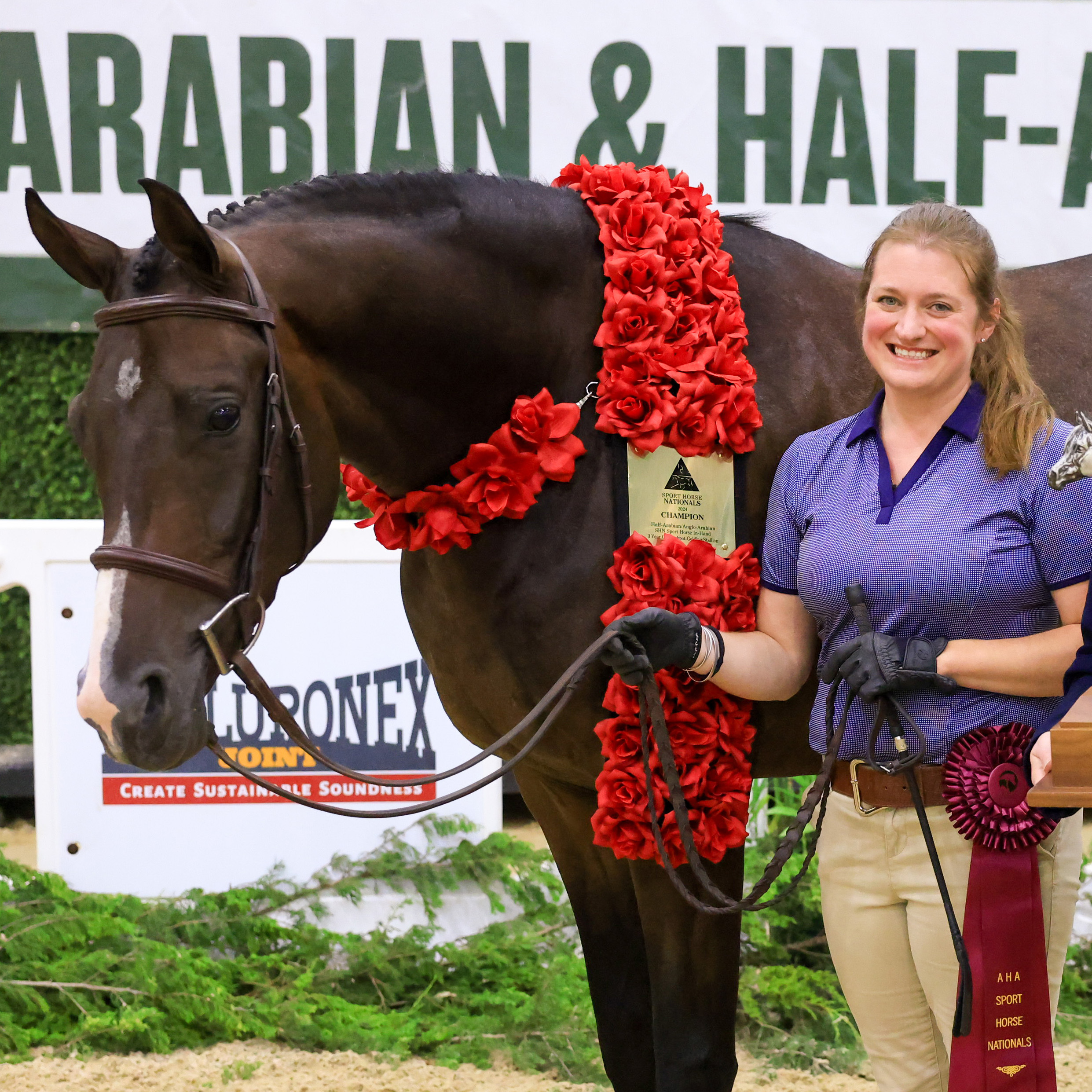
Jennifer Keating is an equestrian and the e-commerce copywriter for The Cheshire Horse. She’s been competing on the hunter/jumper and Arabian circuits for years and has earned nearly 20 national championship titles along the way. She’s still actively showing while also writing about the products and gear she knows from real experience in the barn and the ring.