
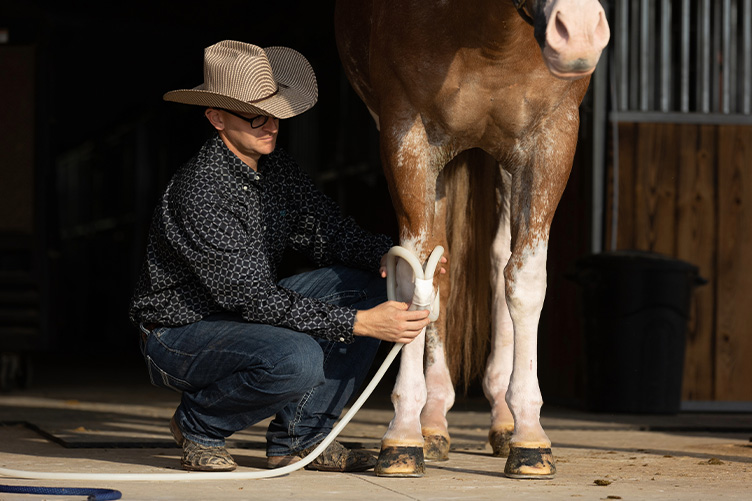
Whether your horse enjoys the thrill of competition or the serenity of leisurely trail rides, maintaining their health and well-being is paramount. Unfortunately, injuries and illnesses are a reality of horse ownership. When faced with such setbacks, understanding equine rehabilitation becomes crucial for their complete and safe return to activity. This blog post will delve into the various aspects of horse rehabilitation, exploring therapy methods, recovery timelines, and essential considerations for a successful journey back to peak performance.
Understanding the Rehabilitation Process
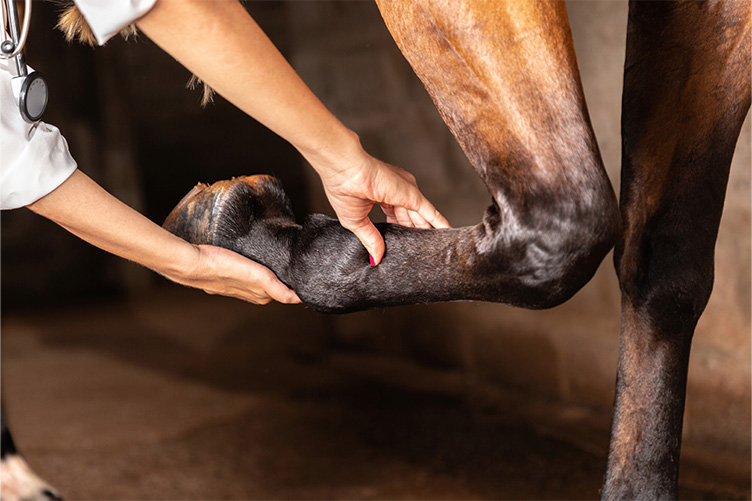
Each horse rehabilitation program is individualized to the horse’s specific injury and needs. The comprehensive approach is designed to:
- Promote healing: This involves facilitating tissue repair and restoring the range of motion in affected areas.
- Improve function: Rehabilitation aims to regain lost strength, flexibility, and coordination for optimal performance.
- Prevent complications: The program focuses on minimizing the risk of reinjury and ensuring long-term well-being.
The specific rehabilitation plan for your horse should be tailored by a qualified veterinarian specializing in equine rehabilitation. They will consider factors including the nature and severity of the injury or illness, as well as your horse’s age, breed, and overall health. Before attempting any rehabilitation work, consult your veterinarian. They will assess the injury, create a personalized plan, and advise you on a safe timeline for returning to ridden work.
Exploring Therapy Methods
Equine rehabilitation can incorporate a diverse range of therapies to address various needs throughout the recovery process:
- Controlled Exercise: Hand-walking is often the foundation, promoting circulation and preventing muscle atrophy. Gradual progression can involve ponying, lunging, and eventually, ridden work under strict supervision.
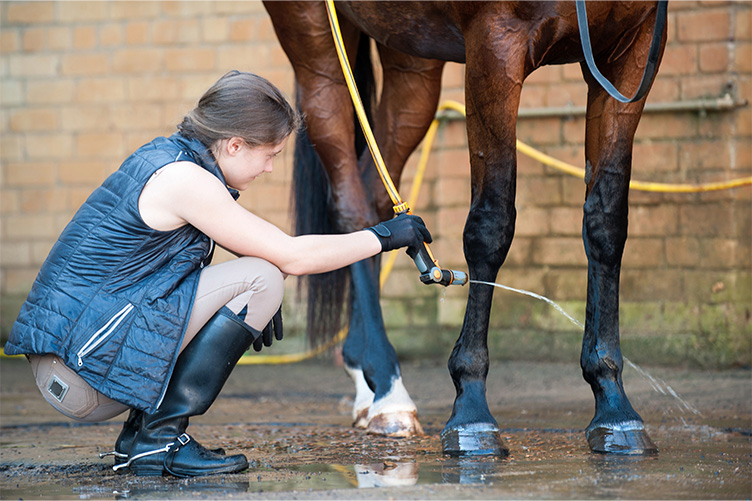
- Cold Therapy and Icing: During the initial stages of injury, cold therapy, also known as icing, can be a valuable tool to reduce inflammation and pain. Ice boots, like the Professional’s Choice Ice Boots, are a common method for applying cold therapy to legs; boots are also available to easily ice hooves. Icing boots and pads are available for all areas of the body, even the back! It’s important to follow veterinarian instructions regarding application time and frequency to avoid tissue damage.
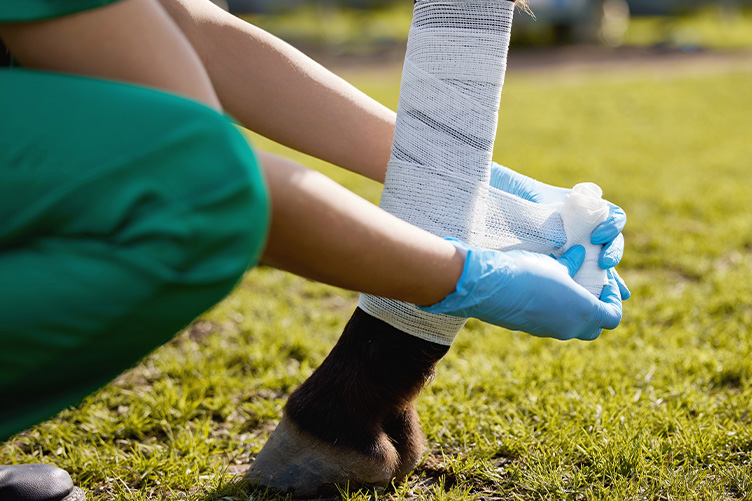
- Leg Support: Wraps can provide vital support for muscles, tendons, and ligaments during rest periods or after exercise sessions. They help reduce inflammation, improve circulation, and promote healing. Choose breathable materials and ensure proper wrapping technique to avoid restricting circulation.
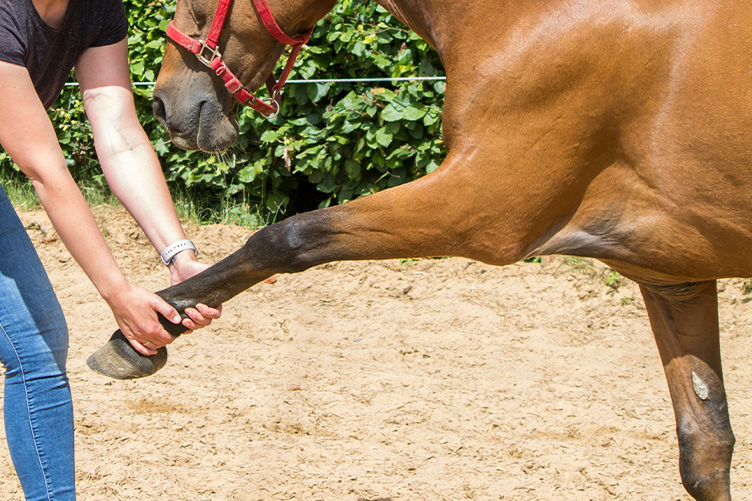
- Manual Therapy: Techniques like massage, stretching, and joint mobilization can improve flexibility and range of motion while reducing pain.
Carefully incorporating stretches into your horse’s routine can improve flexibility and range of motion. There are many resources available to help, including books, such as Stretch Exercises for Horses: Build and Preserve Mobility, Strength, and Suppleness, specifically focused on equine stretching techniques.
Massage can also be a helpful tool to improve circulation and promote muscle recovery when used correctly. Consult your vet or a qualified equine massage therapist for guidance on proper techniques. Check out our blog post, An Educated Touch: An Introduction to Equine Massage, to learn more.
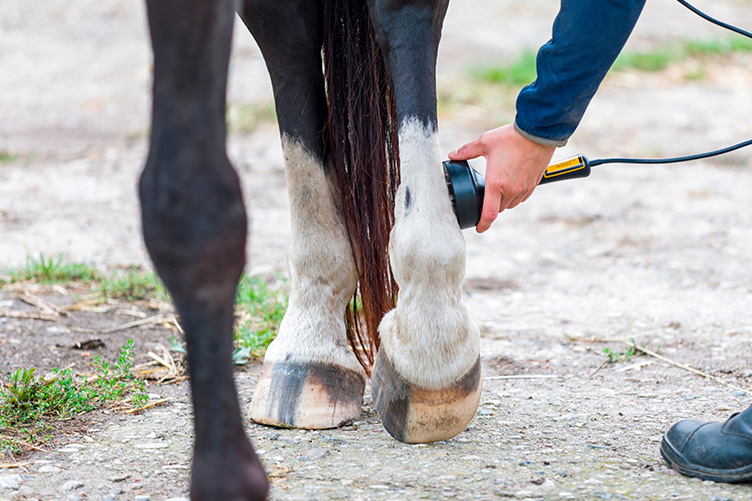
- Modalities: Therapies like ultrasound, laser therapy (we carry the 100X Equine EquiLaser), and pulsed electromagnetic field (PEMF) therapy, such as BEMER blankets, can promote healing, reduce inflammation, and alleviate pain.
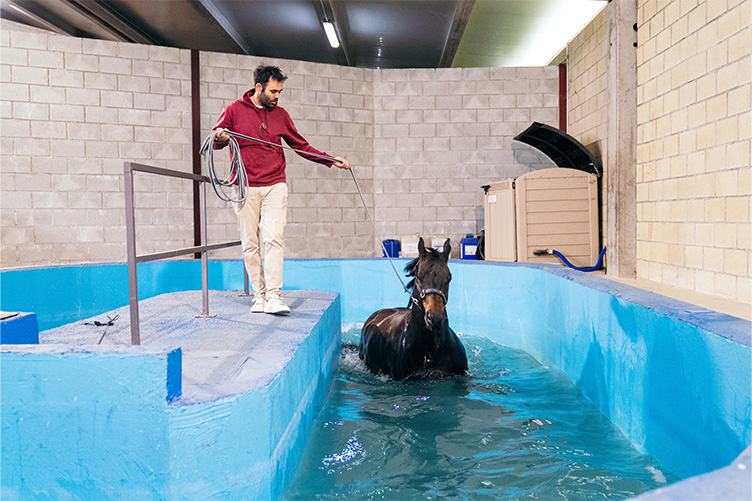
- Hydrotherapy: Utilizing underwater treadmills or swimming pools provides low-impact exercise while offering buoyancy and resistance for muscle strengthening and cardiovascular conditioning.
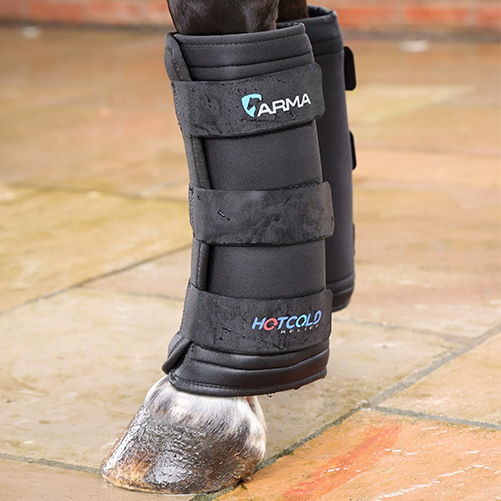
- Thermal Warmth Therapy: In some cases, your veterinarian may recommend thermal warmth therapy to promote healing and pain relief in sore muscles and joints. This can be achieved through various methods, such as:
- Therapeutic blankets and wraps: These unique products, such as those made by Back on Track, use special fabrics or liners to reflect your horse’s natural body heat, creating a gentle warming effect.
- Microwaveable wraps: These convenient wraps are heated in a microwave and then applied to the target area. We often recommend the versatile Shires ARMA Hot/Cold Relief Boots for this purpose.
- Equine liniments: Certain liniments contain ingredients that generate warmth when applied to the skin. Always follow the manufacturer’s instructions and consult your veterinarian before using any liniments.
Navigating Recovery Timelines
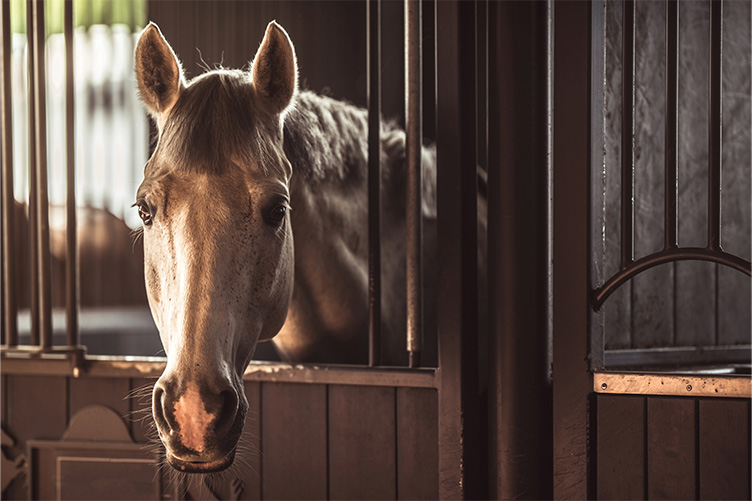
The duration of a horse’s rehabilitation journey varies greatly depending on the specific challenge they face. One popular vet near used to tell us that the amount of time needed for rehab is the number of letters in the body parts’ name (bone: 4 months; tendon: 6 months; ligaments: 8 months). Here’s a general breakdown:
- Soft tissue injuries: Recovery can take anywhere from weeks to months, requiring patience and adherence to the rehabilitation plan.
- Bone or tendon injuries: These typically involve longer timelines, often spanning several months to a year, emphasizing the importance of controlled exercise and gradual progression.
- Illness: Recovery periods depend on the specific illness (for example, gastric ulcer syndrome, strangles, or Equine protozoal myeloencephalitis), requiring close veterinary guidance and potential medication administration.
Remember, these are just estimations. Always prioritize clear communication with your veterinarian for a precise time frame specific to your horse’s situation. Consider making a chart to help you organize your rehabilitation time and stay on top of your program.
Ensuring a Safe and Complete Return
Beyond the chosen therapy methods and established timelines, several key considerations are paramount for a successful recovery:
- Nutritional Support: A well-balanced diet tailored to your horse’s individual needs is vital for providing the necessary nutrients to support healing and muscle development.
- Proper Rest: While controlled exercise is crucial, adequate rest periods are equally important to allow the body to heal and prevent further strain. Learn more about managing a horse on stall rest.
- Pain Management: Addressing any discomfort your horse experiences through muscle relief (like liniments), medication, or alternative therapies can significantly improve their overall comfort and compliance with the rehabilitation program.
- Close Monitoring: Regular communication with your veterinarian and vigilant observation of your horse’s progress is essential for identifying any potential setbacks and adjusting the rehabilitation plan accordingly.
By understanding the rehabilitation process, exploring available therapies, and realistically navigating recovery timelines, you can actively contribute to your horse’s complete and safe return to activity. Remember, patience, consistency, and an unwavering commitment to their well-being are key ingredients for a successful rehabilitation journey, allowing your equine partner to once again thrive and enjoy life to the fullest.
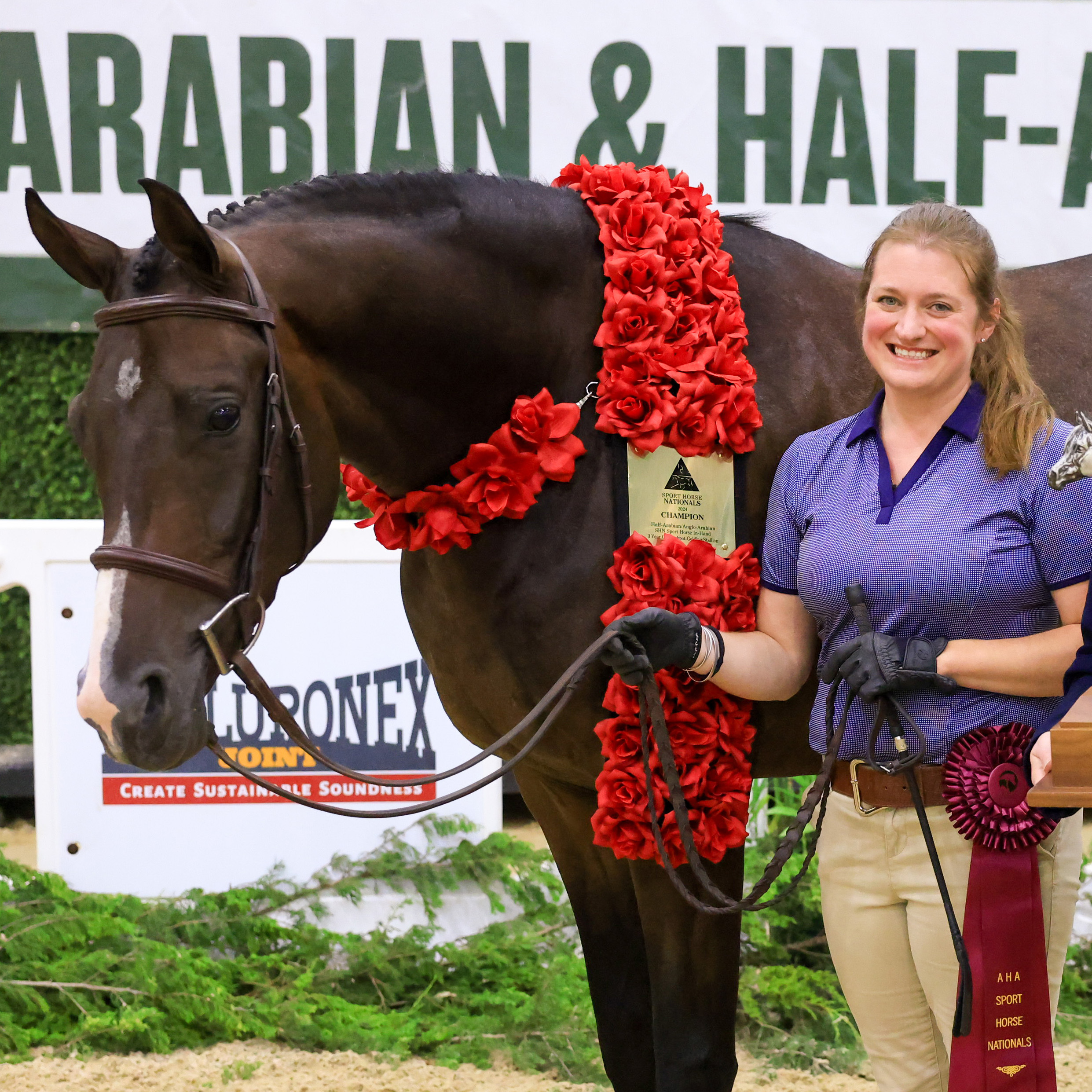
Jennifer Keating is an equestrian and the e-commerce copywriter for The Cheshire Horse. She’s been competing on the hunter/jumper and Arabian circuits for years and has earned nearly 20 national championship titles along the way. She’s still actively showing while also writing about the products and gear she knows from real experience in the barn and the ring.