
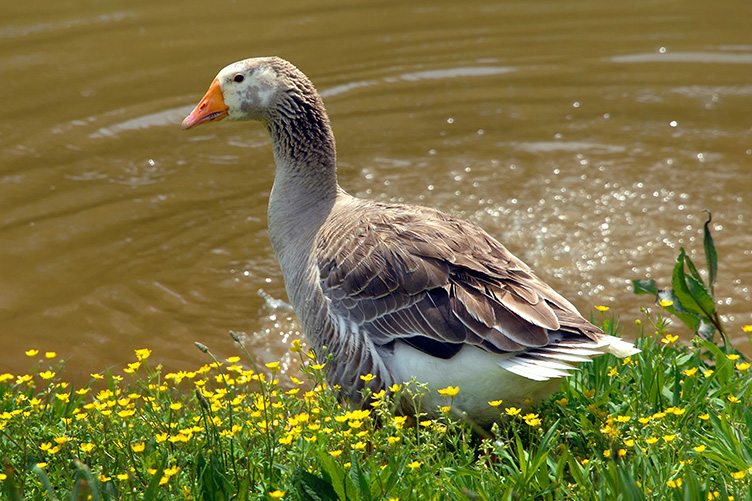
For centuries, geese have been a cornerstone of sustainable farms. They weeded fields, provided nutrient-rich eggs and meat, guarded homesteads with their loud calls, and even gifted us down for bedding. Yet today, many heritage goose breeds are quietly disappearing. Modern farming, industrial poultry, and shifts in agricultural practices have pushed these birds aside, leaving only a handful of critically endangered and threatened flocks in existence.
The Livestock Conservancy’s Conservation Priority List (CPL) tracks these breeds to spotlight their precarious status. Among the most at risk are geese in the Critical and Threatened categories—birds that represent not just food and farm utility, but also cultural heritage and irreplaceable genetic diversity.
Let’s meet these rare geese!
Cotton Patch Goose (Threatened)
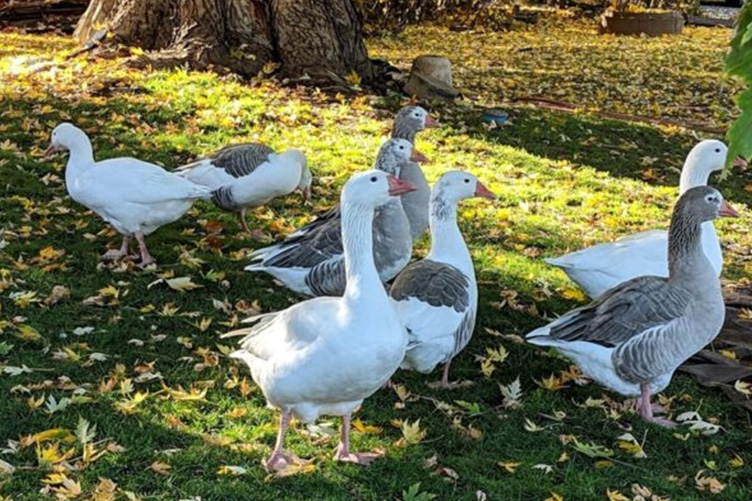
A true American original, the Cotton Patch Goose developed in the Southeastern United States. Before the age of herbicides, these medium-sized, hardy geese were used to weed cotton and corn fields. Their natural grazing habits made them excellent “biological weeders.”
Cotton Patch Geese are gentle, good foragers, and able to thrive on pasture alone—traits highly valued in sustainable farming. But as industrial agriculture replaced traditional methods, their numbers plummeted. Today, this breed is rare, recognized not just for its role in American history but also for its potential in eco-friendly, chemical-free farming.
Pilgrim Goose (Threatened)
The Pilgrim is one of the few goose breeds where the sexes are easy to tell apart at hatching: males are white, while females are gray. Developed in the United States in the 1930s, the Pilgrim became a beloved homestead goose thanks to its calm temperament, excellent mothering instincts, and adaptability.
Despite these qualities, Pilgrims are rare today, surviving mainly through the dedication of small-scale farmers and conservation breeders. Their auto-sexing feature makes them especially valuable for future breeding programs.
Pomeranian Goose (Critical)
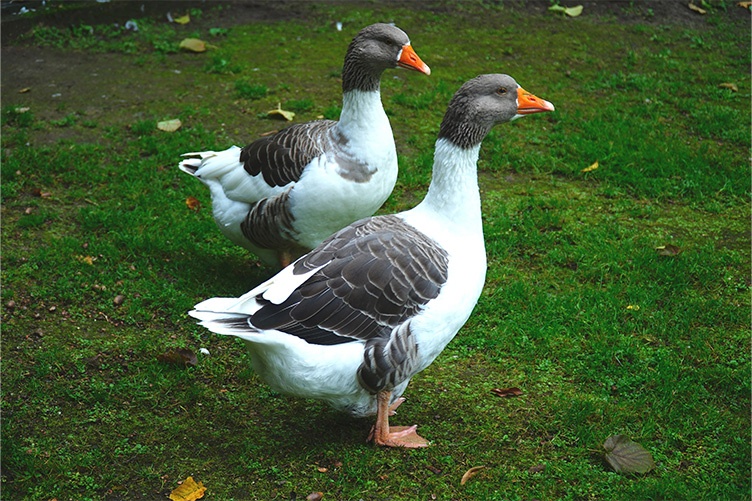
Originating in Germany’s Pomerania region, this medium-sized goose is known for its striking saddleback coloration—white with gray or buff patches. Pomeranians were valued for their utility: they are strong foragers, reliable layers, and good meat birds.
Sadly, very few remain in the United States today. The Pomeranian is on the brink, listed as Critical due to its extremely low numbers. Without immediate conservation efforts, this breed risks vanishing altogether.
Sebastopol Goose (Threatened)

Easily one of the most eye-catching geese, the Sebastopol has long, frizzled, curly feathers that cascade over its body like ribbons. Originating from the Black Sea region and introduced to the U.S. in the 1800s, this goose has always been admired for its ornamental beauty as well as its meat.
Because their loose feathers prevent strong flight and demand extra care in wet or cold conditions, Sebastopols require attentive keepers. Their rarity today is tied to their unique needs, but they remain a conservation priority both for their aesthetics and for their genetic distinctiveness.
Roman Goose (Critical)
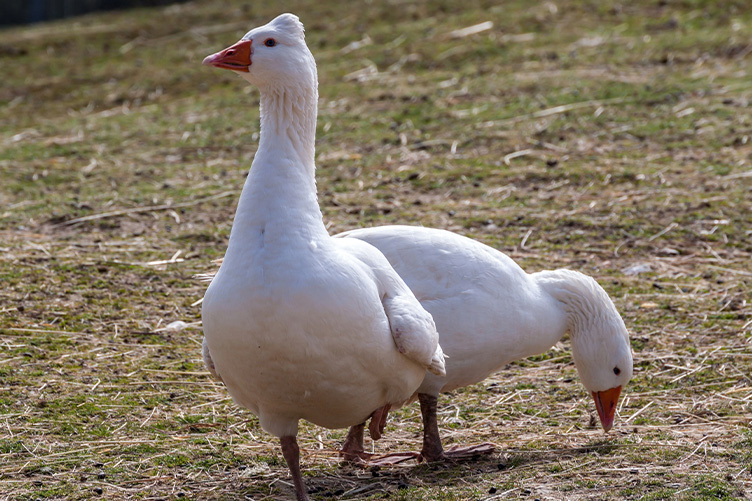
The Roman Goose traces back to ancient Italy, where it was said to have alerted the Romans to a Gallic invasion with its loud honking—cementing its place in legend as a watchful guardian. Small, lively, and loud, Roman geese were historically valued as watchdogs in addition to their utility around the farm.
Despite their fascinating history, very few Romans exist in North America today. They are critically endangered, kept alive mainly by dedicated heritage breeders.
Shetland Goose (Critical)

Native to the Shetland Islands off the coast of Scotland, this small, hardy goose was bred to withstand harsh, wet climates. It is typically white with touches of gray or black and is prized for its thriftiness and ability to forage in difficult environments.
The Shetland Goose has nearly vanished outside its homeland. In North America, its population is critically low, making it one of the most endangered goose breeds on the CPL.
Steinbacher Goose (Critical)
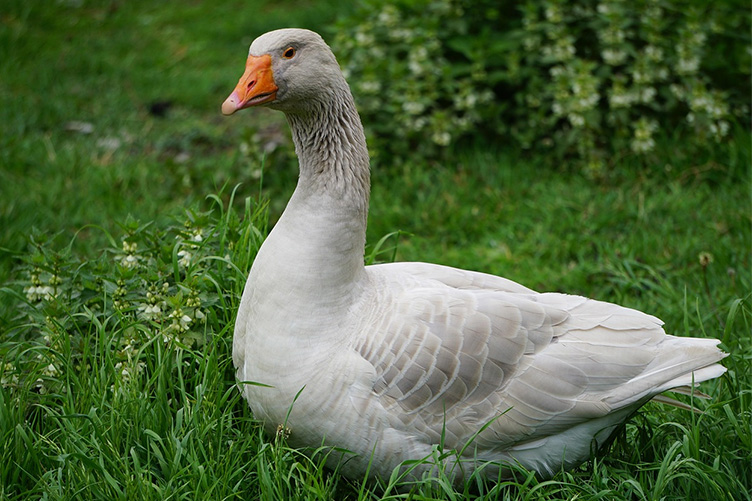
Developed in Germany in the early 20th century, the Steinbacher is unique for its upright stance, muscular build, and distinctive orange bill tipped with black. Originally bred for goose fighting—a now obsolete practice—it has since been appreciated as a striking show bird and utility breed.
With its unusual background and extremely limited numbers, the Steinbacher faces a fragile future. It remains listed as Critical, with fewer than 500 breeding birds in the U.S.
Why It Matters
These goose breeds are more than just poultry—they are living history. Each one reflects the farming practices, climates, and cultures of the regions from which they came. Their traits—whether it’s the Pilgrim’s auto-sexing ability, the Cotton Patch’s natural weed control, or the Shetland’s hardiness—represent a genetic toolbox we may desperately need in the future.
Conserving them ensures we don’t lose these unique qualities forever.
How to Help
- Support heritage breeders by seeking out farms that raise Cotton Patch, Pilgrim, or Sebastopol geese.
- Spread awareness—many people don’t realize how rare these breeds are.
- Join organizations like The Livestock Conservancy, which coordinate breed registries and conservation projects.
- Encourage youth involvement through 4-H, FFA, and local farm programs to inspire the next generation of caretakers.
From the curly-feathered Sebastopol to the hardy Shetland, these endangered geese remind us of the beauty and resilience of agricultural diversity. Saving them isn’t just about nostalgia; it’s about protecting genetic resources that may hold the key to sustainable, resilient farming in the future.
If we act now, these graceful, honking guardians of the past can continue to thrive in our farms, homesteads, and hearts for generations to come.
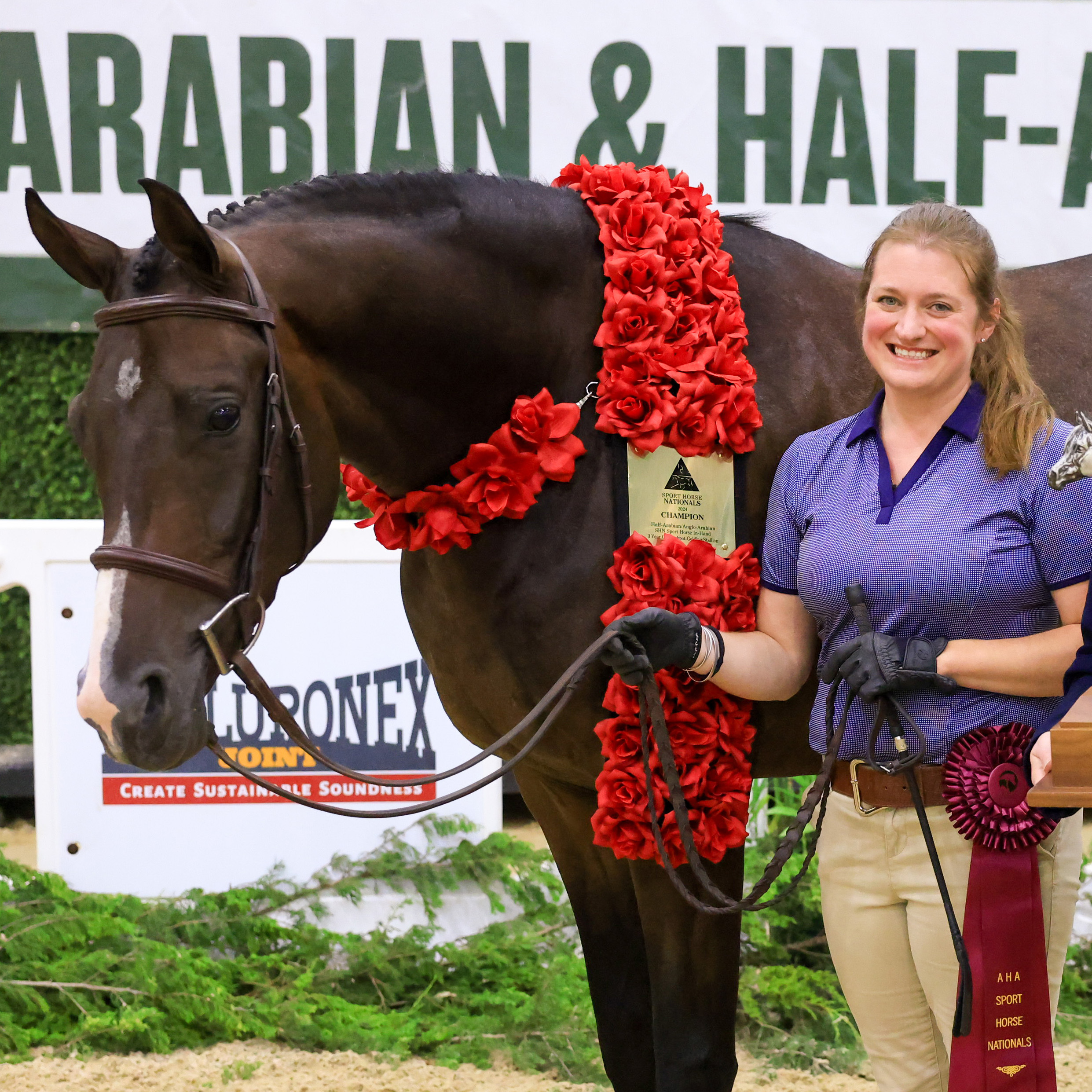
Jennifer Keating is an equestrian and the e-commerce copywriter for The Cheshire Horse. She’s been competing on the hunter/jumper and Arabian circuits for years and has earned nearly 20 national championship titles along the way. She’s still actively showing while also writing about the products and gear she knows from real experience in the barn and the ring.