
Endangered Turkey Breeds: Protecting America’s Heritage

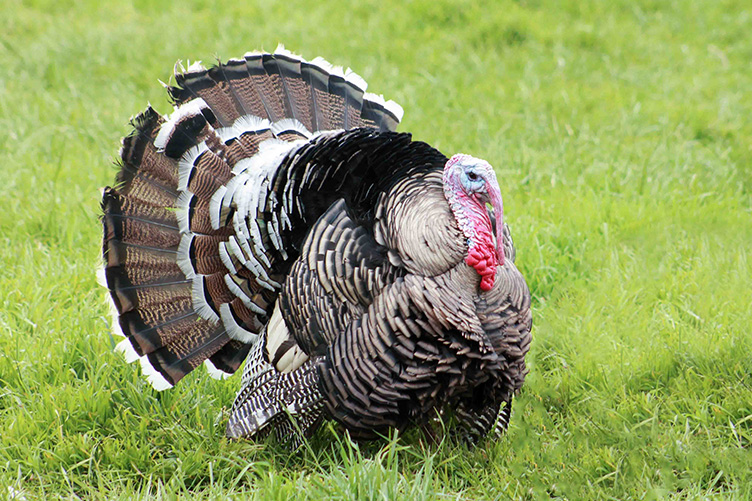
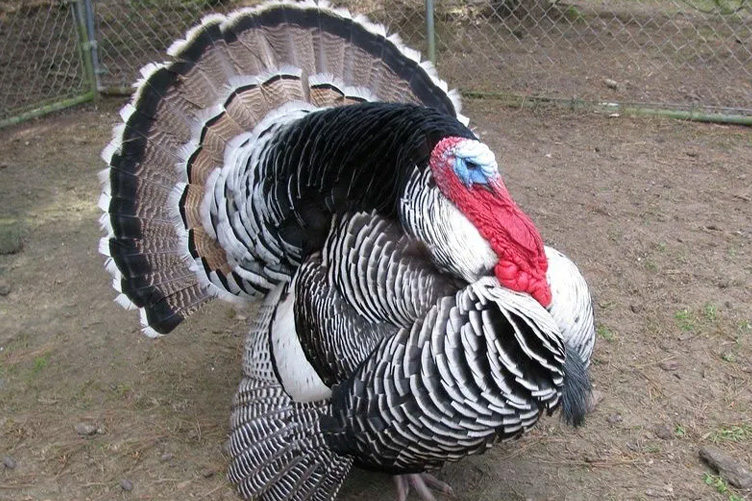
Narragansett turkey

Turkeys are a living part of America’s agricultural history, carrying with them stories of farming traditions that stretch back for generations. Yet today, several heritage turkey breeds are at risk of disappearing forever. These birds that possess rare traits such as natural mating ability, disease resistance, and strong foraging skills, making them an important resource for the future of sustainable farming.

The Livestock Conservancy’s Conservation Priority List highlights these breeds and categorizes them by their population status:

  • Threatened: Fewer than 1,000 breeding birds in the U.S., with fewer than 5,000 globally. These breeds are at risk but maintain a small, viable population.
  • Watch: Fewer than 5,000 breeding birds in the U.S., with fewer than 10,000 globally. These breeds are declining and need attention to prevent further population loss.

Understanding these statuses helps us recognize which breeds need the most urgent conservation efforts and which are slowly recovering.

Threatened Breeds

Beltsville Small White

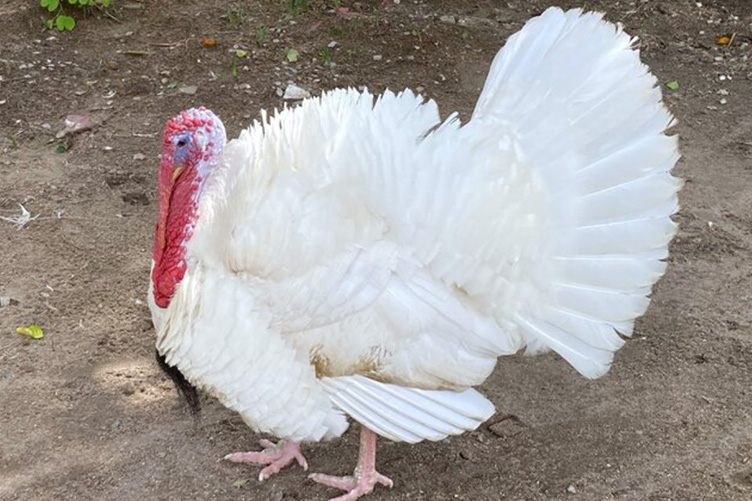
White Beltsville turkey

Developed by the USDA in the 1940s, the Beltsville Small White was designed for small-scale farming. Compact and all-white, it was once popular across America. Today, its population is limited, making it a Threatened breed that needs continued conservation attention.

White Holland

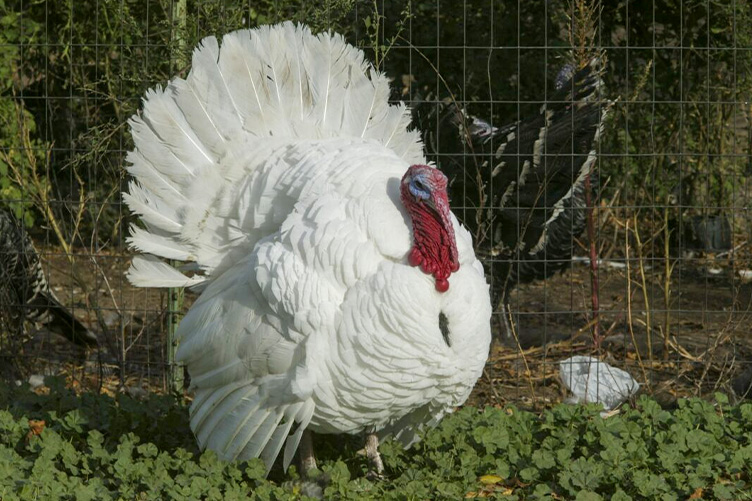
White Holland turkey

Originating from the Netherlands and brought to North America in the 1800s, the White Holland was valued for its hardiness and efficient meat production. While once widely used, it declined with the rise of commercial turkeys. Now classified as Threatened, efforts are ongoing to maintain and grow its population.

Watch Breeds

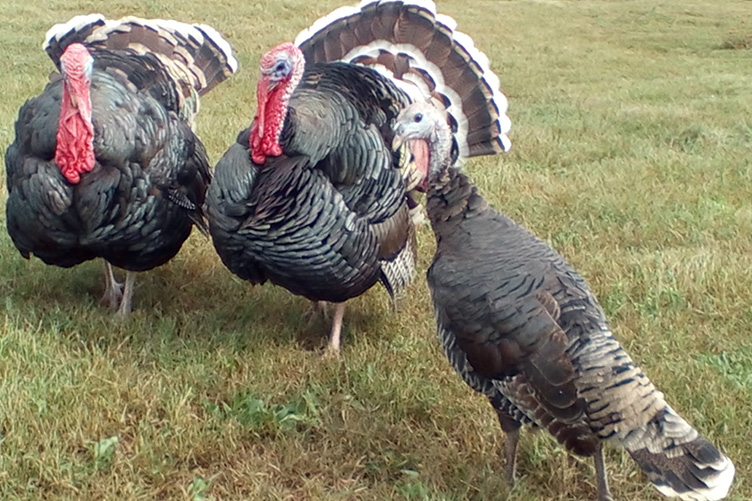
Black

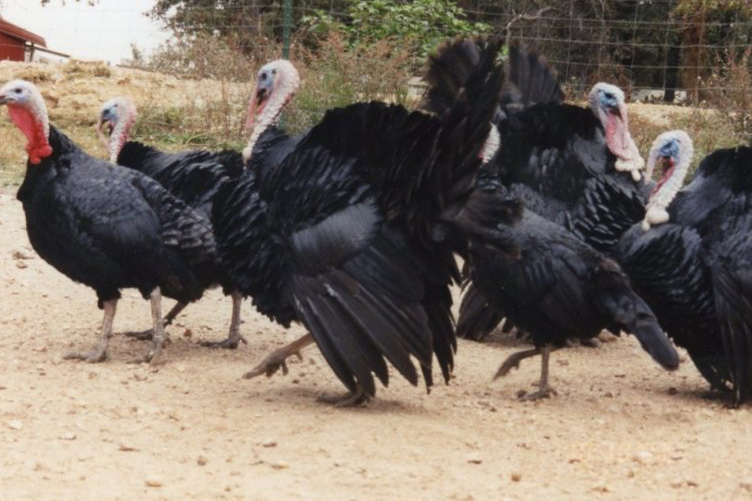
Black turkey

One of the oldest American turkey breeds, the Black turkey is recognized for its glossy black feathers with a greenish sheen. Once common on farms, it is now on the Watch list as its population continues to decline.

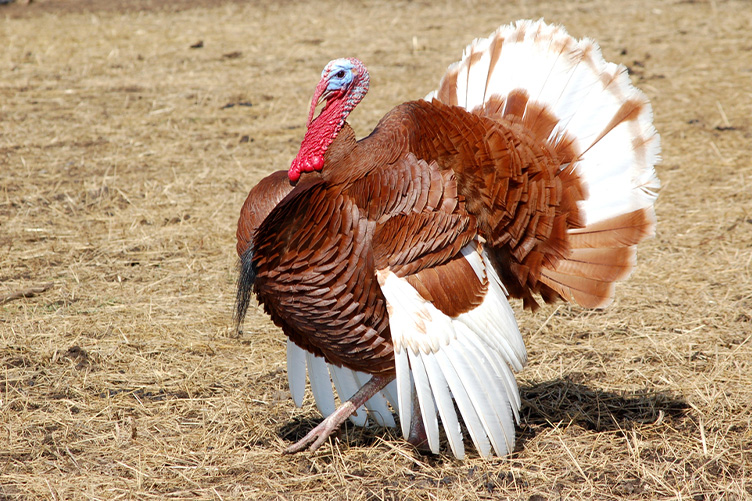
Bourbon Red

Bourbon Red turkey

Developed in Bourbon County, Kentucky, the Bourbon Red is prized for its rich mahogany plumage and excellent meat. It remains a Watch breed, with preservation programs focused on maintaining its lineage and popularity.

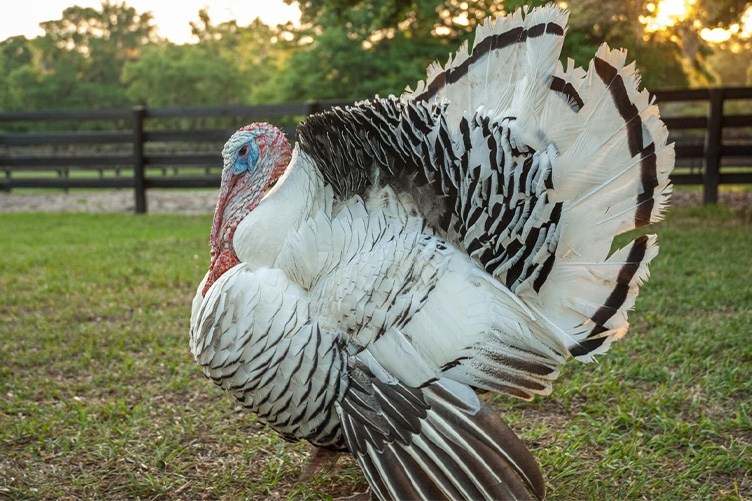
Royal Palm

Royal Palm turkey

The Royal Palm is a striking ornamental breed with black-and-white feathers, developed in Florida in the 1920s. Though not primarily raised for meat, it remains on the Watch list to ensure its unique characteristics survive.

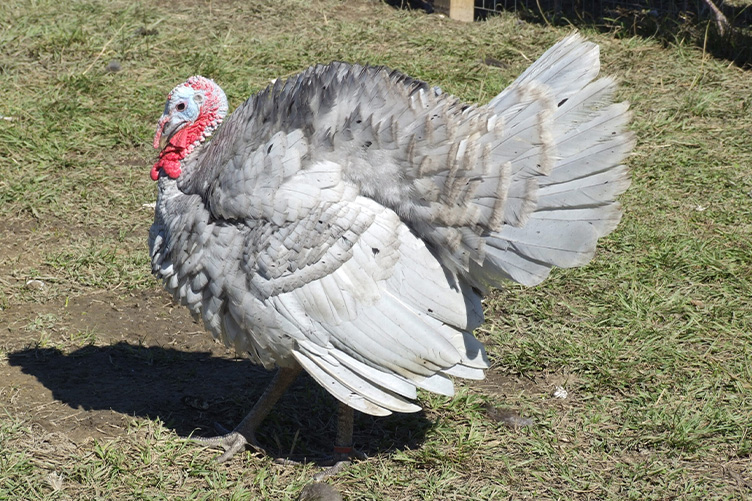
Slate

Slate turkey

Also called the Blue Slate, this medium-sized turkey has ash-blue plumage with black flecks. Known for its calm disposition and flavorful meat, the Slate is declining in numbers and remains under the Watch status.

Standard Bronze

Standard Bronze turkey

Once a dominant American breed, the Standard Bronze is a classic heritage turkey capable of natural mating and free-range living. It is now on the Watch list as breeders work to restore its population.

Narragansett

Narragansett turkey

Named after Narragansett Bay in Rhode Island, this breed is valued for its calm nature, maternal instincts, and flavorful meat. Once widely raised, the Narragansett now requires conservation attention and is classified as Watch.

Why These Breeds Matter

Heritage turkeys are more than just farm animals—they’re living genetic treasures that connect us to centuries of agricultural history. Unlike most commercial turkeys bred for rapid growth and uniformity, heritage breeds maintain qualities that make them hardy, versatile, and deeply valuable to the future of farming.

These turkeys possess traits that are increasingly rare, such as the ability to mate naturally, a stronger immune system with greater disease resistance, and excellent foraging instincts. Their resilience means they can thrive in diverse environments with less intensive management, reflecting the way turkeys were traditionally raised on American homesteads.

How You Can Help

  • Support breeders: Purchase heritage turkeys from farms raising these rare breeds.
  • Spread awareness: Share information about endangered turkeys with your community.
  • Participate in conservation programs: Join breeding or fundraising efforts to help grow their populations.

Every flock preserved today ensures these remarkable birds—and the history they represent—continue to thrive for generations.

For more information and to learn how to get involved, visit The Livestock Conservancy.

Leave a Comment