
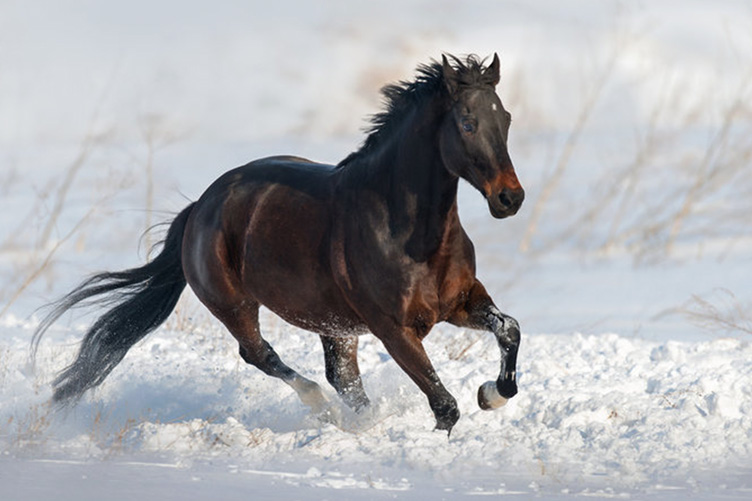
It’s cold outside! Keeping your horse healthy and comfortable is more important than ever during the cooler months. One of the most important aspects of winter horse care is monitoring your horse’s weight. Colder months can bring challenges like increased energy demands, changes in metabolism, and shifts in feed intake, all of which can impact your horse’s body condition. By staying proactive, you can ensure your horse maintains a healthy weight and enjoys a safe and comfortable winter.
Why Winter Weight Management Matters
Horses burn more calories in cold weather to maintain body heat, especially if they are clipped, older, or live outdoors. If a horse does not receive adequate nutrition during the colder months, it may begin to lose weight. On the other hand, overfeeding without accounting for reduced activity can lead to unnecessary weight gain, which can stress joints and contribute to metabolic issues.
Maintaining an optimal weight is not just about appearance; it directly affects your horse’s health, performance, and overall well-being. Horses that are too thin are more susceptible to illness and frostbite, while overweight horses are at risk for laminitis, joint strain, and heat stress under blankets.
How to Monitor Your Horse’s Weight
- Body Condition Scoring (BCS)
One of the most reliable ways to monitor weight is by using a Body Condition Score, typically on a scale from 1 (emaciated) to 9 (obese). Check key areas, including the neck, withers, ribs, loin, and tailhead. A score of 4–6 is generally ideal for most adult horses, though individual needs may vary depending on breed, age, and workload. - Regular Weigh-Ins
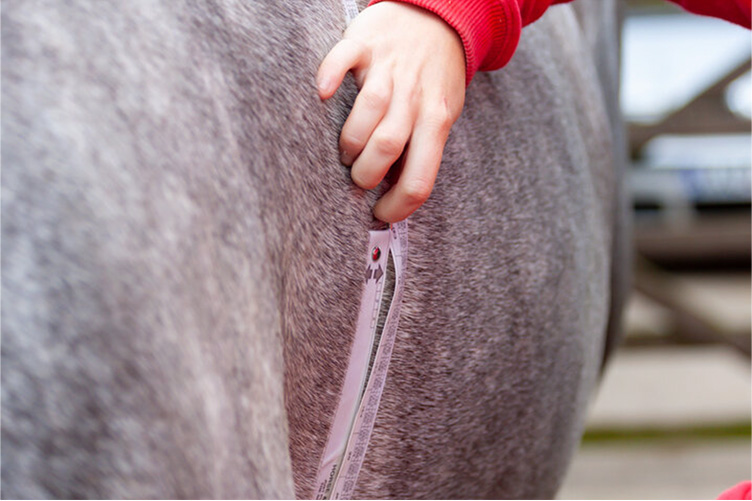
While not always practical, using a livestock scale is the most accurate way to take your horse’s weight. However, using a weight tape can give you an accurate estimate. Weighing your horse weekly or biweekly can help detect small changes before they become significant. - Visual and Tactile Checks
Even without tools, routine grooming sessions are perfect opportunities to feel for changes in fat coverage and notice any loss or gain. Pay attention to the ribs, spine, and hips — subtle differences can indicate a change in weight. - Monitor Feed Intake
Keep a close eye on how much hay, grain, and supplements your horse is consuming. In cold weather, horses may need extra forage to maintain body heat. Ensure fresh water is always available; horses often reduce water intake in winter, which can impact digestion and weight maintenance.
Adjusting Feed for Cold Weather
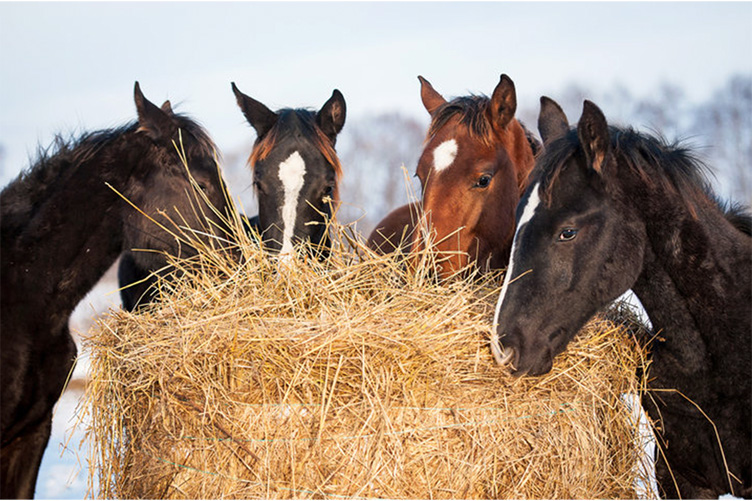
- Increase Forage: Horses generate heat through digestion, so providing additional hay can help them maintain weight and stay warm.
- Consider Concentrates: If your horse struggles to maintain weight, adding grain or a senior feed may be necessary, especially for older or underweight horses.
- Monitor Body Fat: Fat pads can store energy, but avoid excessive weight gain that can stress joints. Adjust feed gradually.
Other Considerations
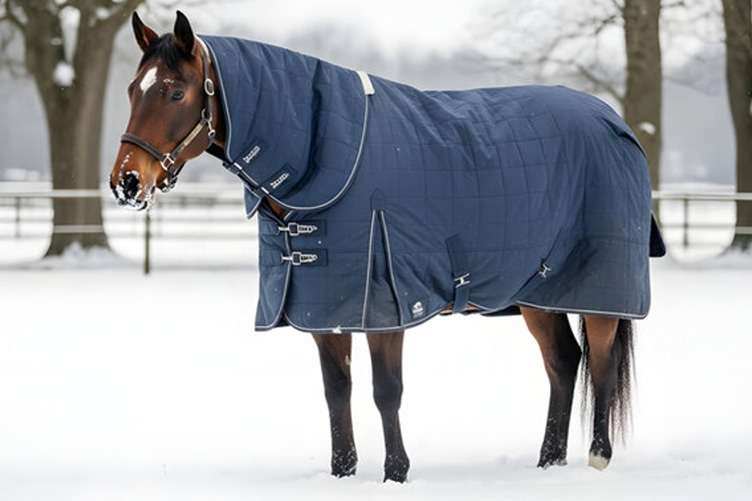
- Blanketing: Horses with thinner coats, clipped coats, or those who are elderly may benefit from blankets, but over-blanketing can reduce natural calorie-burning from staying warm. Balance warmth and weight maintenance.
- Exercise: Winter turnout and light riding can help keep muscles toned and stimulate appetite, but icy conditions may require modifications to prevent injury.
- Health Checks: Regular veterinary exams and dental care are crucial. Issues like dental pain, metabolic disorders, or parasites can affect weight, especially in colder months.
Signs of Concern
Watch for these warning signs that your horse may be struggling to maintain a healthy weight:
- Prominent ribs or spine
- Loss of topline or muscle mass
- Poor coat condition or dull hair
- Reduced appetite or sudden changes in eating habits
- Lethargy or visible discomfort
If you notice any of these, consult your veterinarian promptly for guidance.
Monitoring your horse’s weight in cold weather is a critical aspect of winter care. By keeping track of body condition, adjusting feed as needed, and watching for signs of trouble, you can ensure your horse stays healthy, comfortable, and happy throughout the season. Proactive winter management helps prevent issues before they arise and allows your horse to thrive, no matter how cold it gets outside.
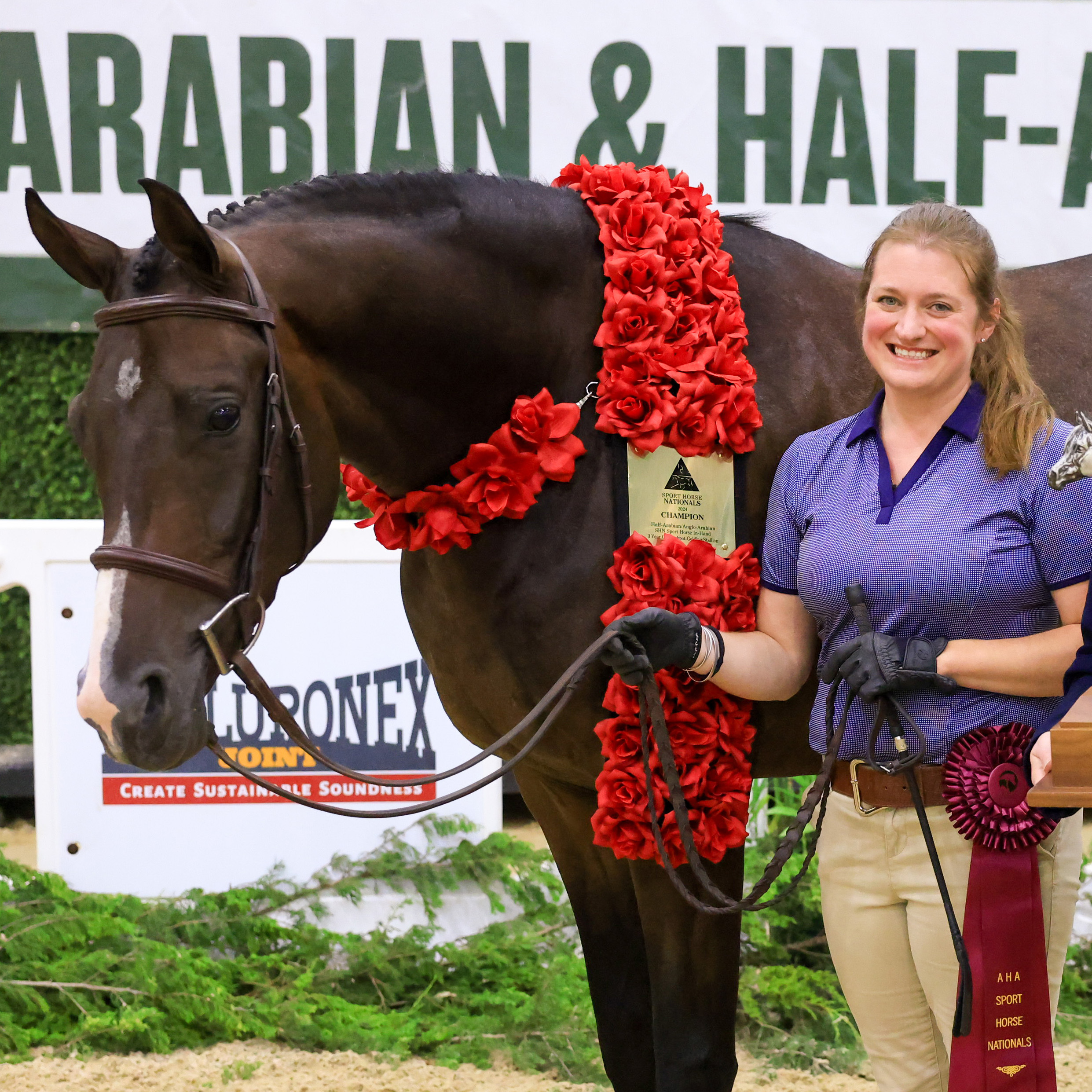
Jennifer Keating is an equestrian and the e-commerce copywriter for The Cheshire Horse. She’s been competing on the hunter/jumper and Arabian circuits for years and has earned nearly 20 national championship titles along the way. She’s still actively showing while also writing about the products and gear she knows from real experience in the barn and the ring.