
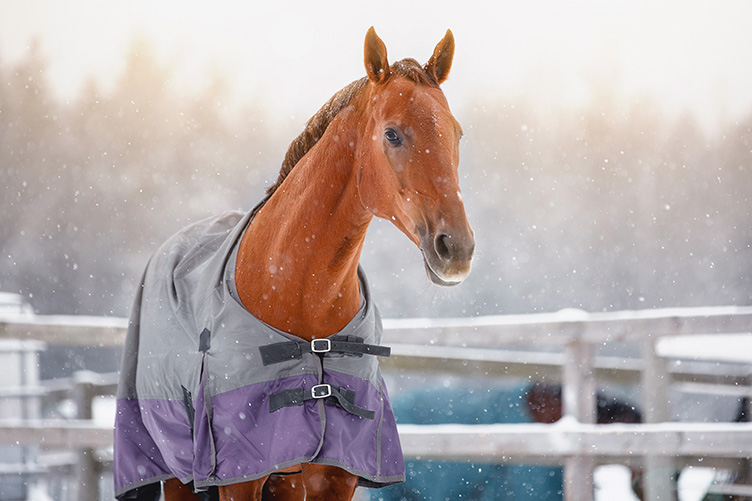
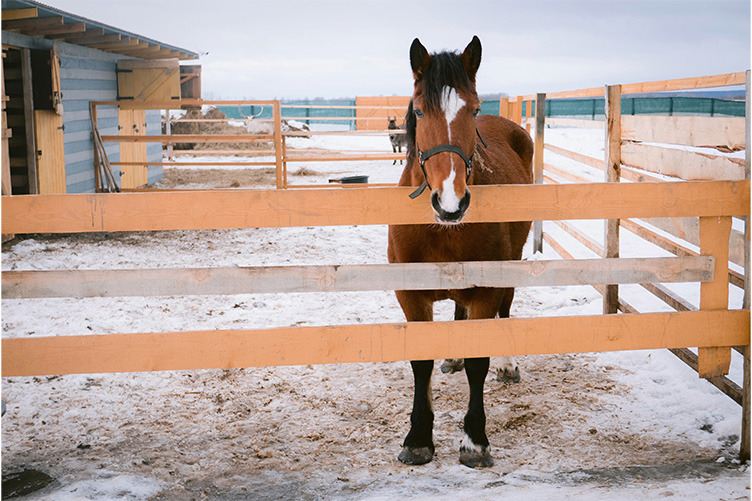
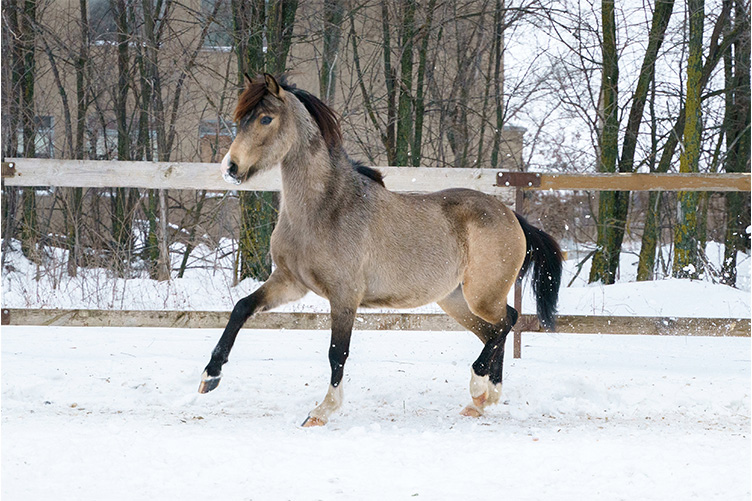
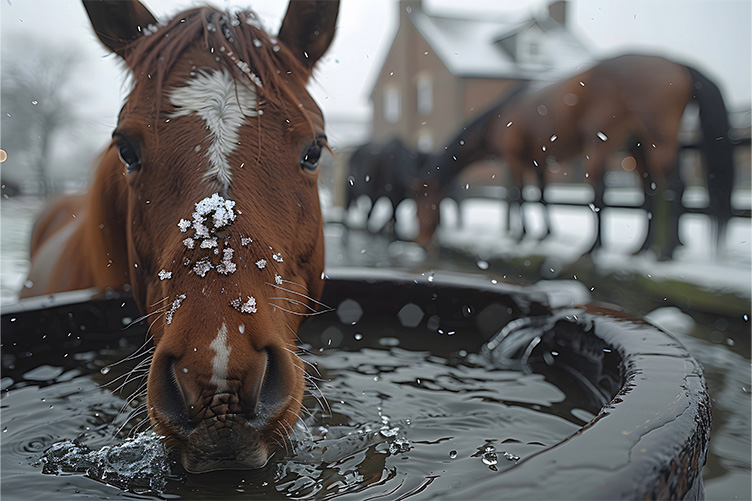

Winter brings its own set of challenges for horse owners, and icy paddocks are at the top of the list. Slippery surfaces can lead to serious injuries for horses and handlers alike, from bruised hooves to strained tendons or even fractures. Proper preparation and smart management can help reduce these risks and keep your horses safe throughout the cold months.
Understanding the Risks
Ice forms in paddocks when snow melts during the day and refreezes at night, creating a slick, glass-like surface. Horses walking on ice may lose traction, which can result in slips or falls. Certain areas—near waterers, gates, or around heavily trafficked paths—tend to freeze faster due to concentrated use.
Preventative Measures
1. Improve Drainage
Proper drainage is essential for minimizing ice buildup. Make sure paddocks slope slightly away from barns and water sources so that water doesn’t pool and freeze. Gravel or sand bases can help prevent muddy, icy patches.
2. Use Traction Surfaces
Applying sand, wood chips, or used shavings on icy spots provides better traction. Even a thin layer can give horses the grip they need to move safely. Avoid using salt near horses, as it can irritate hooves and skin.
3. Footwear Considerations
For horses prone to slipping, consider using hoof boots, studs, borium, or snow pads with traction on their shoes. Consult your farrier to determine the best option for your horse and environment.
4. Create Safe Paths
Designate a single route from barn to paddock or turnout area that is cleared and treated regularly. Keeping traffic to one path reduces wear and helps concentrate ice prevention efforts.
5. Keep Horses Active Safely
Regular movement helps prevent ice from forming on well-trodden areas. Ensure horses are exercising in safe, cleared areas. Limit turnout in untreated paddocks during extreme conditions.
6. Monitor Water Sources
Frozen water buckets or troughs can lead horses to paw or slip while trying to access water. Heated waterers or insulated buckets can reduce ice and provide safe hydration.
7. Remove Snow Promptly
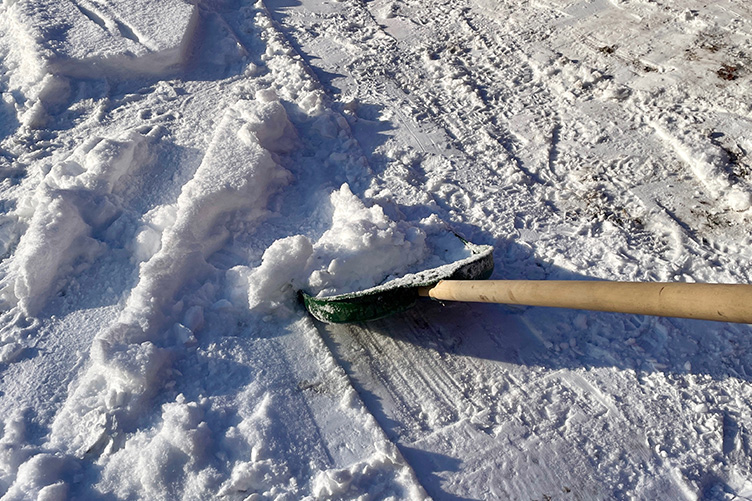
Shoveling or plowing snow before it melts and refreezes is critical. Regular removal prevents large icy patches and keeps paddocks safer for horses.
Icy paddocks are an unavoidable part of winter, but with careful planning, proactive maintenance, and a few simple tools, you can significantly reduce risks. Prioritize drainage, traction, and safe pathways, and always keep a close eye on your horses during icy conditions. A little preparation goes a long way toward preventing slips and injuries, ensuring both you and your horses enjoy the season safely.