
Saving Endangered Donkey Breeds

Donkeys

Donkeys have been helping humans for thousands of years, whether for farming, transportation, or companionship. But today, some breeds are at risk of disappearing forever. Three such breeds—the American Mammoth Jackstock, Poitou, and Miniature Donkey—are struggling to survive. Let’s take a closer look at why these donkeys are so special and how we can help protect them.

American Mammoth Jackstock

American Mammoth Jackstock

The American Mammoth Jackstock is one of the biggest donkey breeds in the world. It was developed in the U.S. during the late 1700s by breeding large European donkeys, including the Andalusian, Catalonian, and Poitou breeds. These donkeys were used mainly to produce strong mules for farm work and transportation.

Mammoth Jackstocks are tall and powerful, with jennets (females) standing at least 14 hands (56 inches) and jacks (males) reaching 14.2 hands (58 inches) or more. Some can even grow much taller!

Unfortunately, this once-popular breed is now in critical danger. The Livestock Conservancy reports that fewer than 2,000 remain worldwide. The decline of mule breeding and the rise of machines in farming led to a drop in demand for these donkeys. Today, breeders and conservationists are working to keep the Mammoth Jackstock from going extinct.

Poitou Donkey

Poitou Donkey

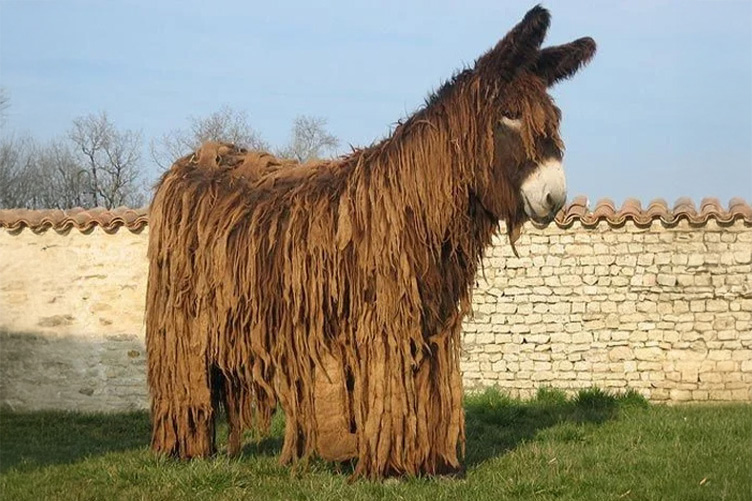
The Poitou donkey, or Baudet du Poitou, comes from western France and is easy to recognize because of its long, shaggy coat. For centuries, this breed was highly valued for mule breeding due to its size and strength.

However, when the demand for mules dropped in the 1900s, the Poitou donkey population crashed. By the 1970s, there were fewer than 80 Poitous left in the world. Today, only about 300 to 400 exist, making it one of the rarest donkey breeds. Conservation groups are working hard to rebuild their numbers, but saving this breed is a race against time.

Miniature Donkey

Mini Donkey

Miniature Donkeys originally come from the Mediterranean islands of Sicily and Sardinia and are much smaller than most other donkeys—standing only 36 inches or less at the withers.

Unlike the other two breeds, Miniature Donkeys are not in immediate danger, but they are still listed as a “Watch” breed, meaning their population needs to be monitored. These donkeys are popular as pets and companion animals because of their friendly and affectionate nature.

Why These Donkeys Matter

Saving these donkey breeds isn’t just about preserving history—it’s also about protecting biodiversity and unique traits that could be important in the future. Here’s why their survival matters:

  • Genetic Diversity – Each breed has special qualities that might be useful for farming, conservation, or research.
  • Cultural Heritage – These donkeys played a huge role in history, especially in agriculture and transportation.
  • Benefit to Society and Economic Potential – Donkeys can be used in tourism, therapy programs, and education.

How You Can Help

Even if you don’t own a donkey, there are ways you can support their conservation:

  • Donate or Volunteer – Groups like The Livestock Conservancy work to protect endangered breeds.
  • Spread Awareness – Sharing information helps more people learn about the importance of these donkeys. Consider passing this article along to your donkey-loving friends!
  • Support Responsible Breeding – If you’re interested in donkey ownership, choosing to breed rare donkeys helps keep their population stable.

The American Mammoth Jackstock, Poitou, and Miniature Donkey are all part of our history, and their survival depends on human effort and awareness. By learning about these incredible animals and supporting conservation efforts, we can help make sure they continue to exist for generations to come.

1 thought on “Saving Endangered Donkey Breeds”

Leave a Comment